
The Gulf Cooperation Council (GCC) countries have underscored their commitment to providing secure and attractive tourism experiences and protect growth amid regional shifts.
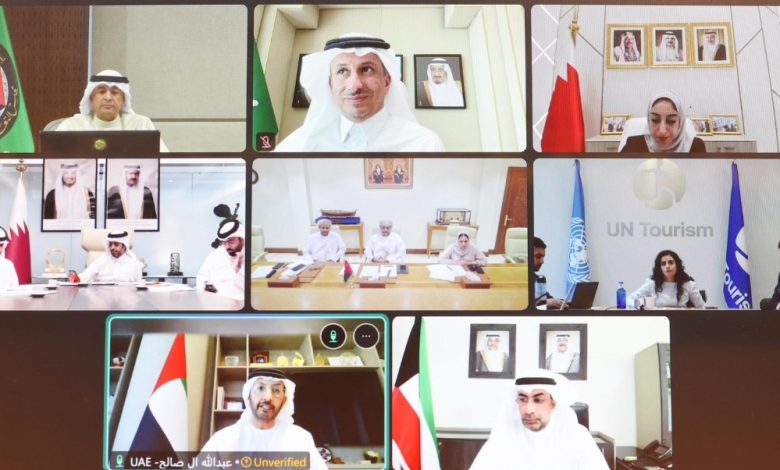
The GCC Ministers of Tourism held an extraordinary meeting via videoconference on April 7, 2026 to discuss the latest developments in the region and address their potential repercussions for the tourism sector.
Middle East Escalation
The extraordinary meeting took place against the backdrop of the US-Israeli war with Iran, which broke out on February 28, 2026 and saw waves of Iranian missiles violating the sovereignty of several Gulf States.
In a joint statement issued after the meeting, the GCC Tourism Ministers reaffirmed their strong condemnation of the “unjustified and illegal Iranian aggressions that have deliberately targeted civilian infrastructure” such as ports, airports and tourism infrastructure.
The Ministers stressed that these actions represent a clear violation of the sovereignty and territorial integrity of the GCC States, as well as a flagrant breach of international law and the UN Charter.
In light of this, they called upon Iran to comply with its obligations under UN Security Council Resolution 2817 and halt any aggression or threat toward neighboring countries.
Tourism Sector Stability
The GCC Tourism Ministers emphasized that their countries will remain safe and attractive destinations for global tourism, supported by advanced infrastructure, high operational efficiency, and a service ecosystem capable of maintaining performance and stability.
“Under the constant guidance and follow-up of their leadership, the GCC states are proceeding with the development of the Gulf tourism sector as a pillar of sustainable economies and a vital channel for economic prosperity and community development,” they noted.
Furthermore, the Ministers pointed to the tourism sector’s high level of readiness, underscored by a high turnout of visitors across several tourism destinations and continuity of operations in line with approved operational frameworks.
The Tourism Ministers also asserted that visitors’ safety remain their utmost priority. “The competent authorities in the GCC countries continue to perform their roles, confirming their ability to deal efficiently with various variables.
“They have demonstrated high readiness and a clear capacity to manage situations effectively, reflecting the strength and stability of their regulatory systems,” the joint statement said.
Investments and Projects
Underscoring their full commitment to supporting tourism investments and projects, the GCC Ministers vowed to continue joint tourism initiatives and programs, boost cooperation, and deepen integration between Gulf tourism authorities to secure the sector’s long-term, sustainable growth.
Moreover, they reiterated commitment to protecting tourism projects and private sector investments from any potential negative impacts through coordinating efforts and developing joint rapid-response plans.
“This coordination aims to consolidate the position of the Council states as reliable and attractive tourism hubs, ensuring that tourism projects and initiatives proceed according to their approved tracks, reflecting the robustness of the sector and its continued developmental momentum,” the joint statement noted.
Sector’s Resilience
The Ministers highlighted that the GCC’s qualitative developments – underpinned by diverse assets, operational expertise, and flexible regulatory frameworks – position the region to navigate current challenges effectively.
Leveraging these strengths, the Gulf countries are poised to drive a rapid recovery, further consolidating their status as a premier destination on the global tourism map.
The GCC countries also possess vast expertise in dealing with various geopolitical, economic, and health-related conditions and events, honing their crisis management skills.
“This has enabled the development of more flexible and responsive systems and operational mechanisms, contributing to the enhancement of the GCC countries’ collective ability to overcome current challenges with confidence and efficiency, as well as consolidating the GCC region’s standing as one capable of adapting to changes and creating opportunities even in the most difficult of circumstances,” the statement explained.
“The GCC member states will continue to activate the provisions of the GCC Tourism Strategy, which contributes to elevating national economies, providing dignified employment opportunities for citizens, and offering distinguished services to tourists and visitors from around the world,” the statement concluded.
Saudi Tourism Boost
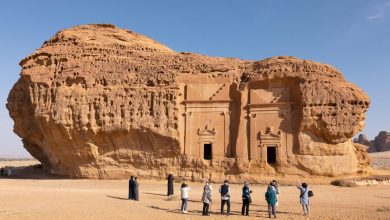
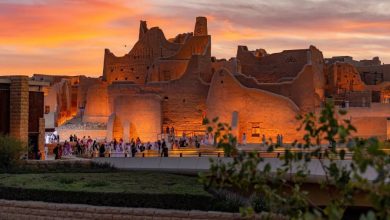
Saudi Arabia’s tourism sector has demonstrated a robust performance and strong resilience, despite the ongoing regional challenges.
The Kingdom has recorded notable growth in domestic tourism during the first quarter of 2026, receiving around 28.9 million domestic tourists. This marks a 16% increase, compared to the same period last year.
Meanwhile, the total domestic tourism spending totaled SAR 34.7 billion, marking an 8% increase, according to the Saudi Tourism Ministry’s preliminary data.
This expansion underscores the Saudi tourism sector’s adaptability to shifting regional dynamics and solidifies the Kingdom’s role as a cornerstone of stability in the region’s economic sectors, even amidst prevailing challenges.