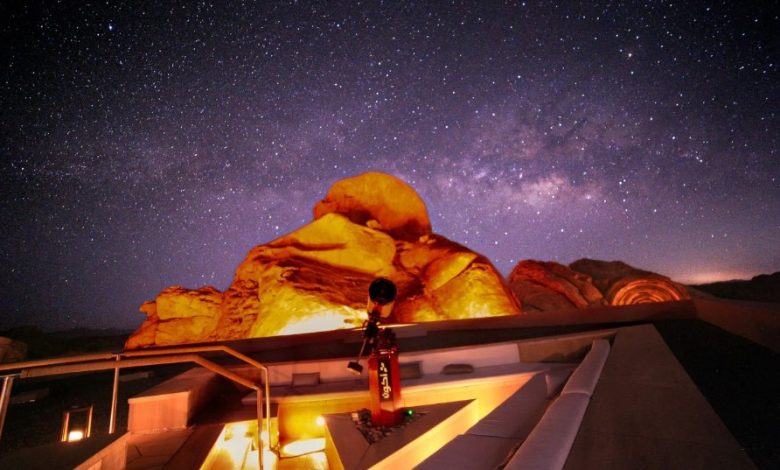
As Saudi Arabia’s cities bustle with life after sunset, a quiet transformation is taking place along the Red Sea coast, free of harsh spotlights, glowing billboards, and blinding streetlights. At two of The Red Sea’s destinations, guests have the privilege of exploring the vast, unpolluted night skies of Arabia.
In a major global milestone, Desert Rock and Nujuma, a Ritz-Carlton Reserve, have become the world’s first resorts to earn DarkSky Resort Certification under the new DarkSky Approved Lodging & Resort program – the result of a landmark collaboration between Red Sea Global (RSG) and DarkSky International.
A New DarkSky Perspective
The Big Picture: RSG and DarkSky International created a new certification tailored for resorts that protect natural night skies through responsible outdoor lighting, benefiting wildlife while creating exceptional stargazing experiences, RSG said in a press release.
Why It Matters: RSG is committed to regenerative tourism. DarkSky lighting principles support regenerative development by cutting energy consumption and curbing light pollution. Preserving natural darkness protects vital wildlife behaviors, such as guiding sea turtle hatchlings toward the ocean. Moreover, it creates world-class destinations for stargazing and astrotourism.

What They’re Saying: “Red Sea Global is integrating responsible lighting into every stage of development to protect the ecological integrity of the night environment. Through our collaboration with DarkSky International, RSG is setting a new benchmark for regenerative tourism, demonstrating that preserving natural darkness not only safeguards biodiversity and ecological processes but also enriches the guest experience through world-class and authentic connections with nature.” – Raed Albasset, Group Chief Environment and Sustainability Officer, Red Sea Global.
“Red Sea Global’s commitment to sustainable, DarkSky-friendly design created an opportunity to evolve our Lodging program. Together, we developed resort-specific lighting best practices that recognize the unique needs of larger hospitality destinations while upholding DarkSky’s rigorous standards for protecting the night.” – Ruskin Hartley, CEO & Executive Director, DarkSky International.
Saudi Arabia’s Astrotourism Boom
State of Play: Saudi Arabia is rapidly cementing its status as a global destination for astrotourism, dark sky travel, as well as stargazing. This push is spearheaded by RSG, which unveiled an ambitious target in 2020 to become the largest certified Dark Sky Reserve in the world. To this end, RSG developed a lighting strategy for its resorts, providing enough lighting for safe movement, while ensuring strict commitment to International Dark Sky criteria.
Moreover, partner entities across the Kingdom, including the Royal Commission for AlUla (RCU) and the Imam Turki bin Abdullah Royal Reserve (ITBA), are expanding dark sky conservation nationwide.
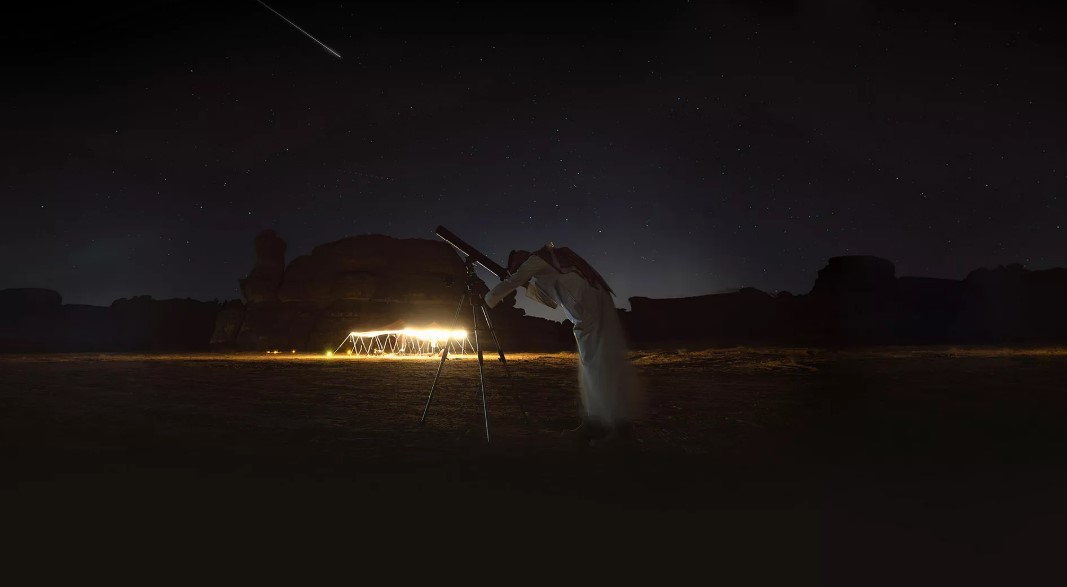
Between the Lines: Astrotourism combines night-sky observation, such as stargazing, astrophotography, and nocturnal nature tours, with travel to protected Dark Sky Reserves and Parks that actively eliminate light pollution. As over 80% of humanity lives under light-polluted skies, astrotourism is gaining increased momentum worldwide.
Zoom In: DarkSky International, a non-profit organization focused on preserving and protecting dark sites through responsible lighting policies and public education, grants the International Dark Sky Place certification after a thorough review process.
What to Watch: With 15 resorts open across three destinations, RSG is committed to expanding DarkSky compliance across its portfolio, supporting more resorts to achieve certification as new properties open.
The Sky Comes Alive
The Context: Saudi Arabia boasts a unique geography, possessing vast stretches of pristine desert with zero pollution and a long coastline along the charming Red Sea, as well as a deep heritage connected to the skies. For centuries, ancient Arabs navigated trade routes guided by constellations such as Al-Thurayya (the Pleiades).
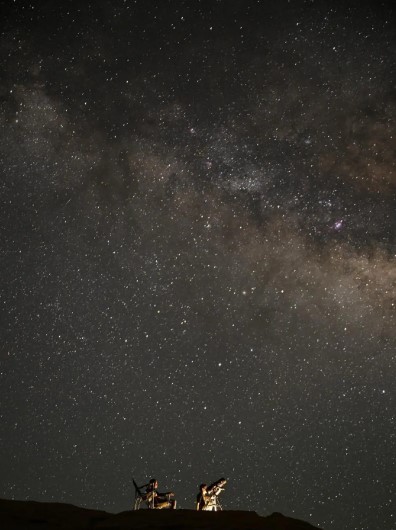
Building on this heritage, the Kingdom has made major strides towards establishing its status as a global astrotourism destination and a dark sky hub, offering breathtaking experiences including stargazing, astrophotography, meditation, and celestial observation.
The Catalyst: RSG’s achievements at Desert Rock and Nujuma set a new global benchmark for hospitality, anchoring a growing network of accredited dark sky destinations across Saudi Arabia:
Desert Rock Resort (2026)
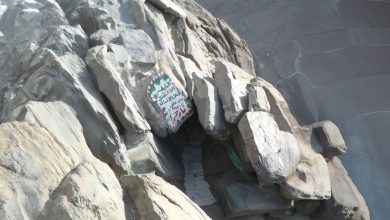
Nestled within the granite mountains of the Red Sea, Desert Rock Resort offers visitors daytime mountain exploration alongside world-class stargazing at night, including guided evening walks, astronomical viewing, and interactive sessions on light pollution and conservation.

Nujuma (2026)
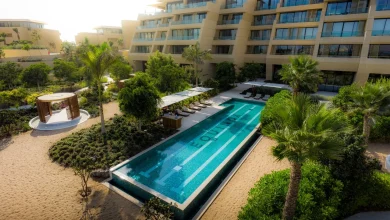
Set on a secluded island in Saudi Arabia’s Red Sea, Nujuma, a Ritz-Carlton Reserve, blends an untouched marine environment with pristine dark skies. Free from artificial light pollution, the resort offers uninterrupted horizon views, allowing guests to witness the natural shift from day to night. Through guided astronomy sessions and educational programs, visitors can admire the stars while discovering how preserving dark skies helps protect local marine ecosystems and biodiversity.
AlUla Manara Site & AlGharameel Nature Reserve (2024)
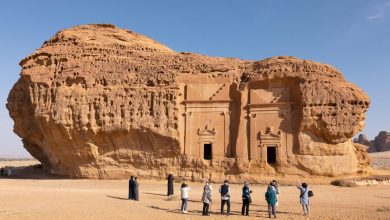
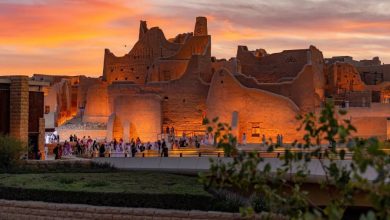
Set against striking rock formations and ancient Nabatean ruins, the AlUla Manara Site and AlGharameel Nature Reserve combine rich history with pristine, unpolluted night skies. As part of AlUla‘s first phase of dark-sky development, these reserves serve as a center for ecotourism, research, and astronomy education, becoming the first dark sky sites in Saudi Arabia and the Arabian Gulf.
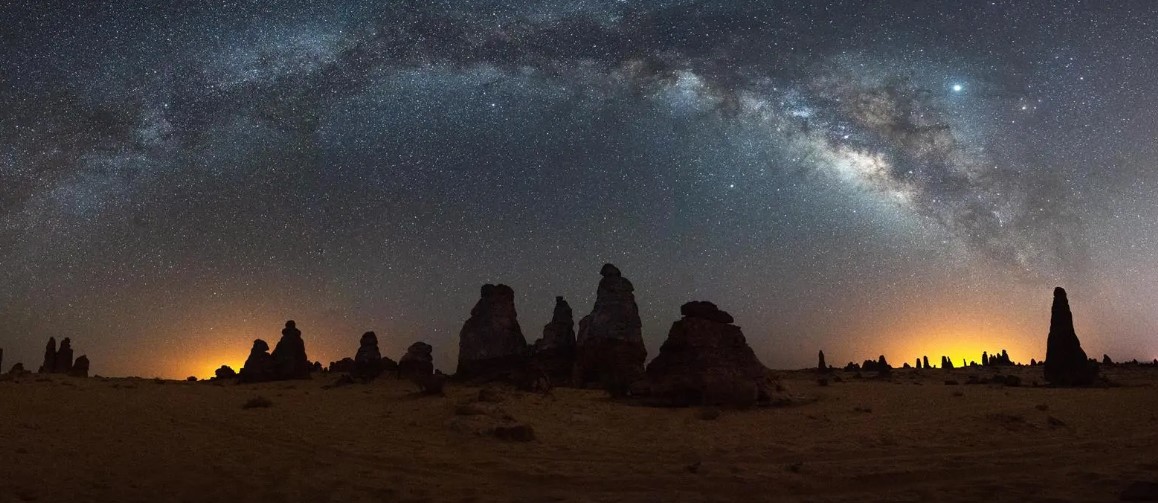
Visitors can take part in guided stargazing, overnight camping, and immersive cosmic experiences designed to highlight the beauty of the Milky Way while supporting long-term sky preservation.
Sharaan National Park & Wadi Nakhlah Nature Reserve (2025)
Defined by dramatic sandstone cliffs, vast basins, and sprawling valleys, Sharaan National Park and Wadi Nakhlah Nature Reserve represent the second phase of AlUla’s certified International Dark Sky Parks. The reserves underwent comprehensive lighting retrofits in order to eliminate skyglow and shield nocturnal wildlife.
Supported by ranger training and community stewardship, these parks offer guided astronomical tours and nature activities that celebrate both the desert’s ecological richness and its celestial view.
AlNufud Dark Sky Park (2025)
Spanning 13,416 square kilometers of towering reddish-orange sand dunes in northern Saudi Arabia, AlNufud Dark Sky Park protects one of the Arabian Peninsula’s most distinctive desert landscapes. To safeguard local wildlife, including nocturnal predators like the Sand Cat, Arabian Wolf, and Rüppell’s Fox, as well as migratory bird populations, the reserve is implementing strict Dark Sky lighting guidelines to eliminate ecological light pollution and preserve natural biological rhythms.
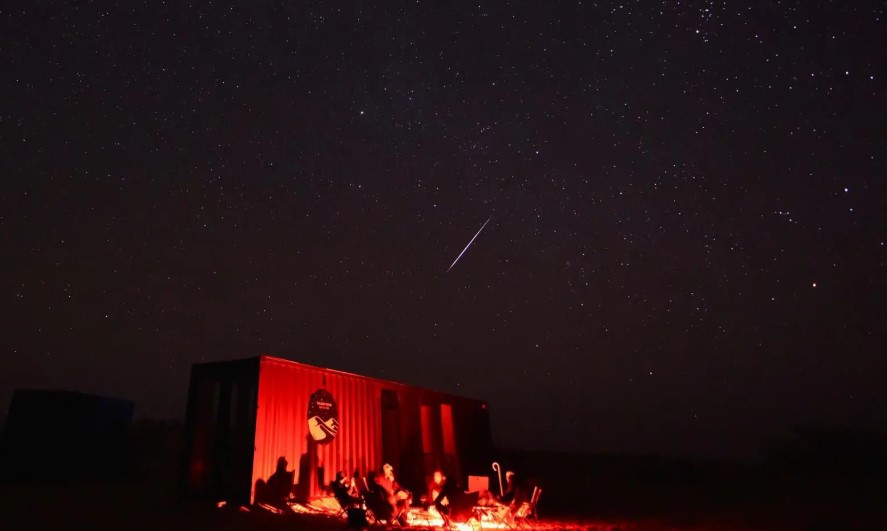
Through a new visitor center and local community lighting retrofits, the Imam Turki bin Abdullah Royal Reserve Development Authority (ITBA) balances environmental stewardship with sustainable eco-tourism, fostering dark-sky awareness while protecting the desert’s pristine night environment.
The Economic Impact
The Strategy: Under Vision 2030, Saudi Arabia has given particular attention to tourism as a key pillar of economic diversification, targeting 150 million annual visitors by the end of the decade. According to recent data from the Saudi Tourism Ministry, the tourism sector showed a strong performance and rapid growth in 2025.
By the Numbers:
- 123 million: Total inbound and domestic tourists welcomed by the Kingdom, a 6% increase compared to 2024.
- SAR 304 billion ($81.07 billion): Historic high reached in total spending, up 7% year-over-year.
- SAR 176.6 billion ($47.09 billion): Revenue generated by international visitors, outstripping the SAR 127.1 billion ($33.89 billion) spent by 3 million domestic travelers.
- SAR 49.4 billion ($13.17 billion): Travel account surplus achieved, representing over 61% of all service exports.
- 52%: Share of inbound overnight visitors traveling for non-religious reasons, up significantly from 44% in 2019.
- 9%: Direct contribution of the tourism sector to national GDP, with its total economic footprint expanding 14% over the previous year.
- 1.03 million: Total jobs supported nationwide across tourism industries.
- 47%: Share of Saudi women in the localized tourism workforce, up from 5% at the end of 2018.
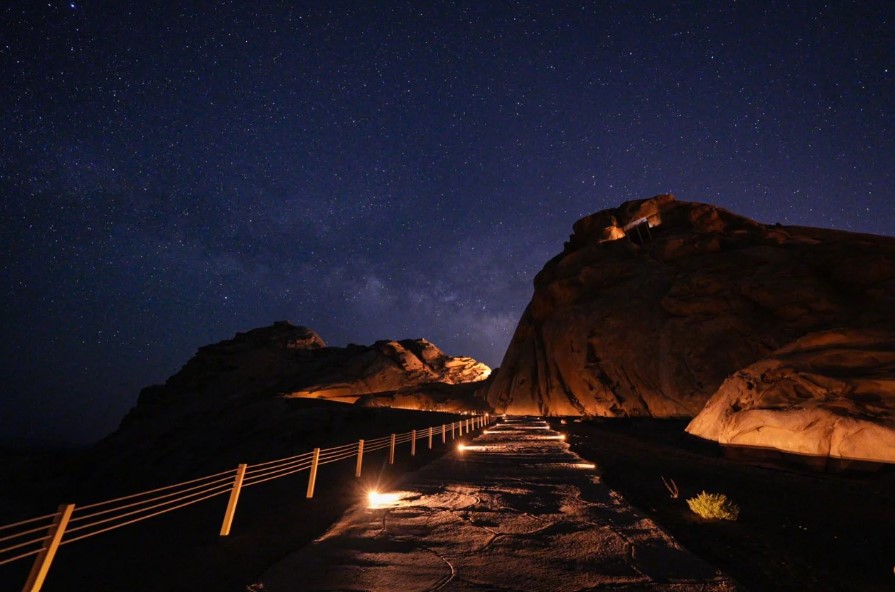
What’s Next: As astrotourism captures the intersection of two fast-growing sectors (ecotourism and luxury tourism), recent data from Deep Market Insights and IMARC Group showed promising trajectories for this flourishing travel market.
- $22.6 billion (SAR 84.75 billion): Projected size of the Saudi luxury travel market by 2034, up from $13.7 billion (SAR 51.38 billion) in 2025 as high-net-worth travelers seek low-density, eco-centric experiences.
- 35%: Projected compound annual growth rate (CAGR) for Saudi Arabia’s ecotourism market through 2034, following a $7.75 billion (SAR 29.06 billion) valuation in 2025.