
East Jerusalem Is Palestine’s Capital: Saudi Arabia’s Non-Negotiable Standard for Peace
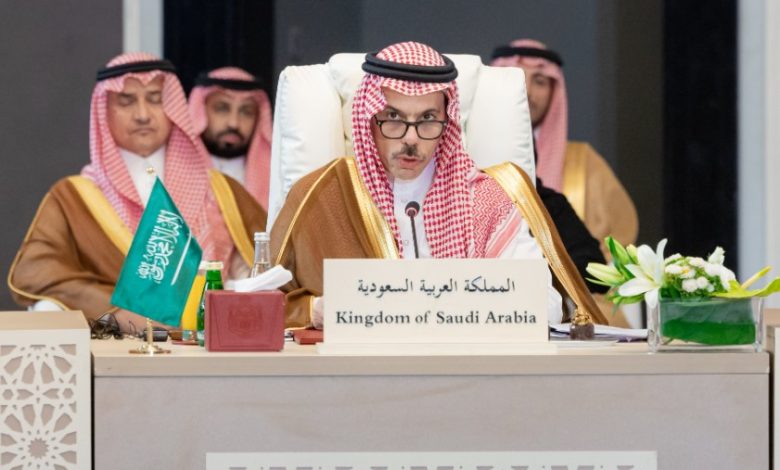
During a diplomatic gathering in Jordan, Saudi Arabia sent a clear and precise message regarding its baseline for Middle Eastern peace: an independent Palestinian state with East Jerusalem as its capital.
This message is the cornerstone of the Kingdom’s decades-long foreign policy, which champions sustainable diplomatic solutions that address the underlying causes of crises. Defending Islamic holy sites and mobilizing international efforts to support Palestinian rights remain central pillars of Saudi diplomacy, constantly reinforced through regional coalitions and multilateral forums. The Ministerial Meeting on Jerusalem provided yet another vital platform to reinforce these principles on the global stage.
Protecting the Status Quo
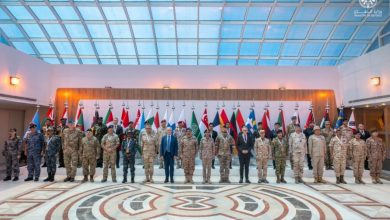
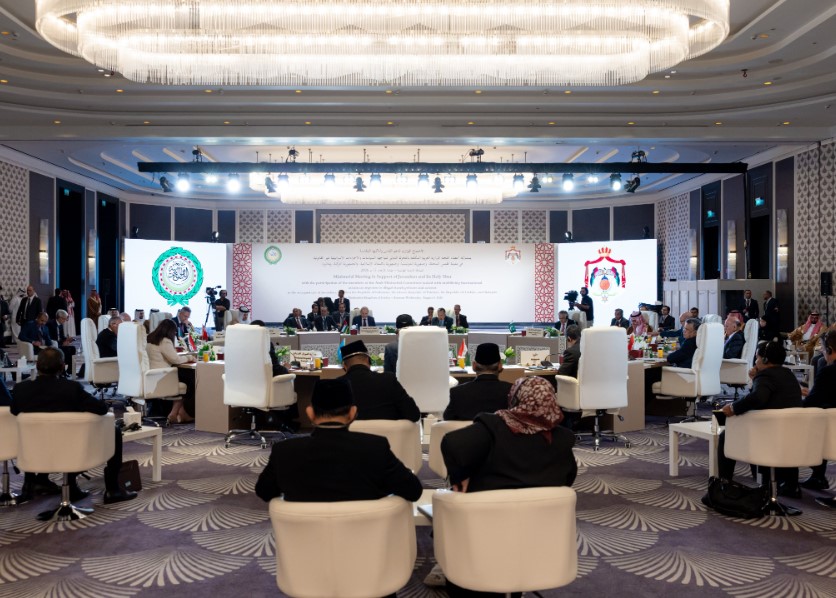
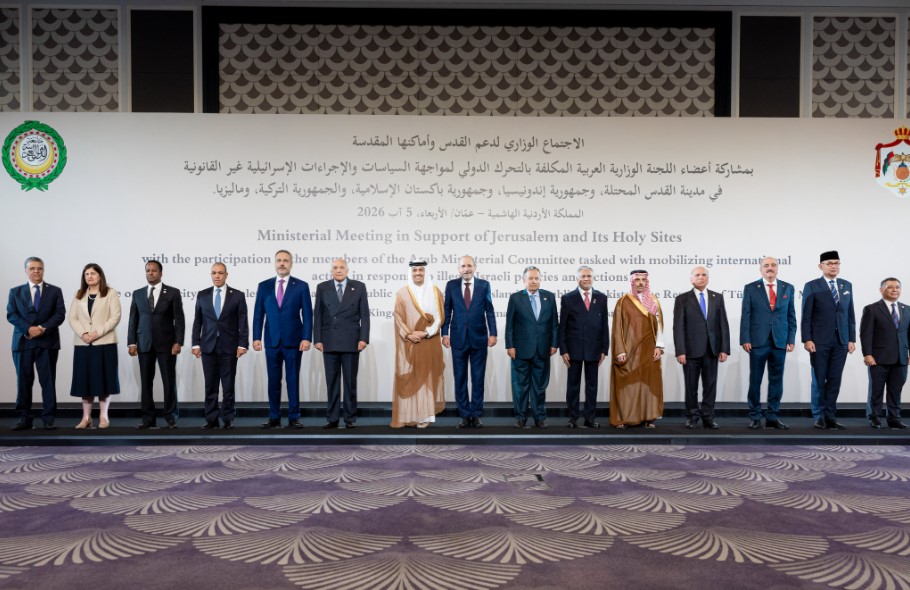
Driving the News: Jordan hosted the Ministerial Meeting in Support of Jerusalem and Its Holy Sites on Wednesday, August 5, 2026, with the participation of foreign ministers and representatives from 14 Arab and Islamic nations, as well as the Secretary-General of the Arab League. The meeting aimed to discuss the dangerous and unprecedented Israeli escalation in the occupied city of Jerusalem and its Islamic and Christian holy sites, and to launch joint action to confront all illegitimate Israeli measures that are driving the region towards further conflict.
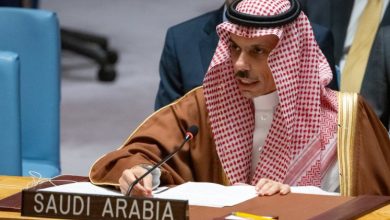
The Big Picture: Saudi Foreign Minister Prince Faisal bin Farhan reiterated the Kingdom’s categorical rejection of any attempts to alter East Jerusalem’s legal and historical status quo or its historic Islamic and Christian identity. He further rejected any attempts to weaponize the narrative of freedom of worship to legitimize steps aimed at imposing a new political and occupation-driven reality on the ground.
The Baseline: Prince Faisal bin Farhan stressed the Kingdom’s position that East Jerusalem is the capital of Palestine, noting that all unilateral measures, including settlement construction and land confiscation, are null and void and generate no legal right or factual reality.
The Pillar of Peace
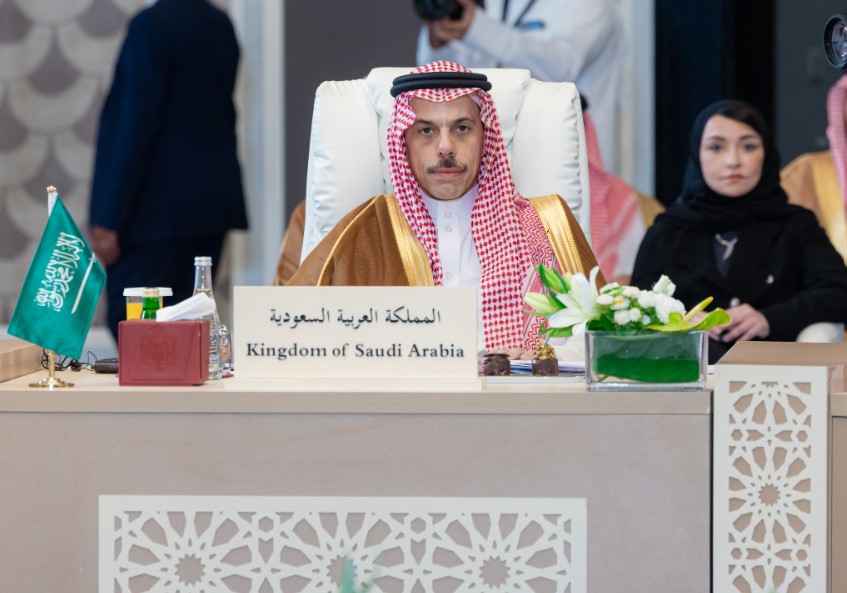
State of Play: The Saudi Foreign Minister stated that protecting Jerusalem is a fundamental pillar of any just and lasting peace. He emphasized that justifying or inciting violence on the basis of religious or ideological claims represents a grave departure from the shared values of the Abrahamic faiths and directly undermines the principles of equal human dignity.
In His Words: “Jerusalem, to which the hearts of millions of followers of the Abrahamic faiths are drawn, must be a city of peace and coexistence, and a symbol of what can unite humanity – not an arena for conflict or the imposition of a fait accompli. Protecting it and safeguarding its historical and legal status is one of the fundamental keys to achieving a just and lasting peace, and to building a future defined by security, stability, and prosperity for all peoples of the region.” – Prince Faisal bin Farhan, Saudi Arabia’s Foreign Minister.
The Backstory: Saudi Arabia launched the Arab Peace Initiative in 2002. It called for the normalization of relations between Arab states and Israel in exchange for a complete Israeli withdrawal from territories occupied in 1967 (including the West Bank, Gaza, and the Golan Heights), a just solution for Palestinian refugees, and establishment of an independent Palestinian State with East Jerusalem as its capital. The Arab League and the Palestinian Authority endorsed the initiative, which is widely viewed as the cornerstone for peace efforts to resolve the longstanding Palestinian-Israeli conflict.
Rejecting Israeli Violations
Between the Lines: Prince Faisal bin Farhan also addressed the ongoing conflict in Gaza, voicing the Kingdom’s strong condemnation of Israel’s military violations in the Strip, which pose a direct threat to the Gaza Comprehensive Peace Plan, undermine the momentum it has generated, and serve the agenda of those seeking to obstruct and derail the peace process.
Why It Matters: Following US President Donald Trump’s announcement of a “historic agreement” for the complete disarmament of Hamas and other Palestinian armed groups in Gaza, Riyadh welcomed the progress as a key milestone towards the implementation of the second phase of the peace plan. However, it stressed that the implementation must be timely, credible, and irreversible.
Mobilizing International Efforts
The Context: The Saudi Foreign Minister called on the international community to assume its responsibility and take practical measures to stop Israeli violations in Gaza and the West Bank, protect the holy sites and support the steadfastness of the Palestinian people. He also urged it to reject hate speech and religious and racial supremacist rhetoric, hold accountable all forms of incitement that fuel violence and settler terrorism, and put an end to practices that undermine the prospects for coexistence and peace.
Zoom In: Prince Faisal also reaffirmed the Kingdom’s commitment to collaborating with regional and international partners through the Global Alliance for the Implementation of the Two-State Solution, which introduced the Interfaith Dialogue Track under the Comprehensive Peace Plan. He stressed that promoting mutual respect and peaceful coexistence among the three Abrahamic faiths is crucial to reinforcing political initiatives and securing long-term peace.
Reality Check: Saudi Arabia has spearheaded a sustained diplomatic push to mobilize international support for Palestinian Statehood and the rights of the Palestinian people.
- September 2024:Launched the Global Alliance for the Implementation of the Two-State Solution, in partnership with Norway and the European Union (EU).
- July and September 2025:Co-chaired the High-Level International Conference for the Implementation of the Two-State Solution with France at the UN Headquarters, yielding the landmark New York Declaration.
The Impact: The Kingdom’s efforts drove a wave of international recognitions of the State of Palestine by major Western nations including France, the UK, Portugal, and Canada, while cementing the New York Declaration as the primary international roadmap toward a sovereign Palestinian State.
Arab & Islamic Consensus
The Takeaway: The final communiqué of the Ministerial Meeting in Support of Jerusalem and Its Holy Sites reflected an Arab and Islamic alignment with Saudi Arabia’s firm stance on the Palestinian cause.
Key Outcomes:
- Reaffirming East Jerusalem as part of occupied Palestinian territory and the capital of the State of Palestine, stressing that a two-State solution based on 1967 borders is the only path to peace.
- Condemning and declaring null and void all Israeli attempts to alter Jerusalem’s Arab, Islamic, and Christian identity, legal status, or demographic composition, as well as any unilateral diplomatic relocations to the city.
- Affirming that the entire 144-dunum Al-Aqsa Mosque compound is exclusively a Muslim place of worship, rejecting Israeli incursions and efforts to impose temporal or spatial division, and reaffirming Jordan’s Awqaf Department as the sole legal authority managing the compound.
- Supporting the historic Hashemite Custodianship over Islamic and Christian holy sites and condemning attacks on Christian clergy, properties, and access to the Church of the Holy Sepulchre.
- Warning that attacks on Islamic holy sites provoke nearly two billion Muslims globally and risk igniting a broader religious conflict that threatens international security.
- Calling on the UN Security Council to halt Israeli violations, backing the resilience of Jerusalemites and the Al-Quds Committee, and launching a joint mechanism to document violations globally.
- Calling for a joint OIC–Arab League ministerial meeting during the UN General Assembly high-level week in New York this September.