
A Message to Beijing: Saudi-China Shared Vision for a New Regional Security Architecture
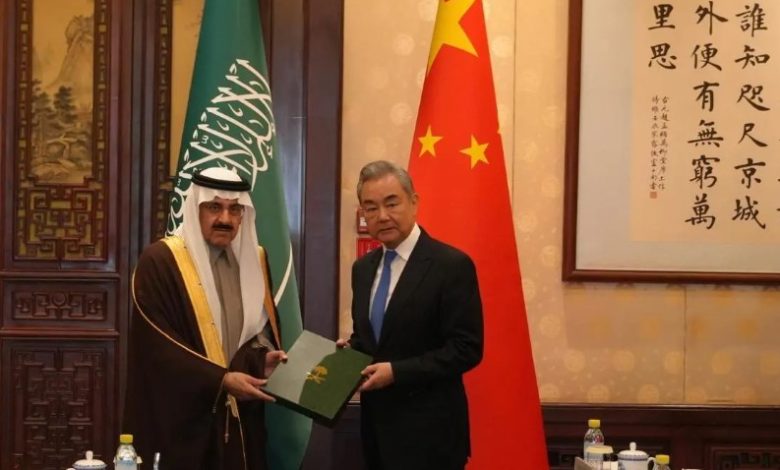
Saudi Arabia and China have signaled their alignment on deepening bilateral ties and laying the groundwork for a new regional security architecture, paving the way toward long-term stability.
In a high-level diplomatic message to Beijing, Riyadh reiterated its multi-alignment posture where the Kingdom engages with the world’s major powers to secure regional peace and advance the objectives of Vision 2030.
A Royal Message Delivered
Driving the News: Saudi Arabia’s National Security Advisor Dr. Musaed Al-Aiban delivered a written message from Crown Prince Mohammed bin Salman addressed to Chinese President Xi Jinping during talks with Foreign Minister Wang Yi in Beijing, reported the Saudi Press Agency (SPA).
The Big Picture: The message, handed over on November 2, 2026, addressed Saudi-Chinese relations and explored ways to further strengthen them. It also touched upon issues of common concern.
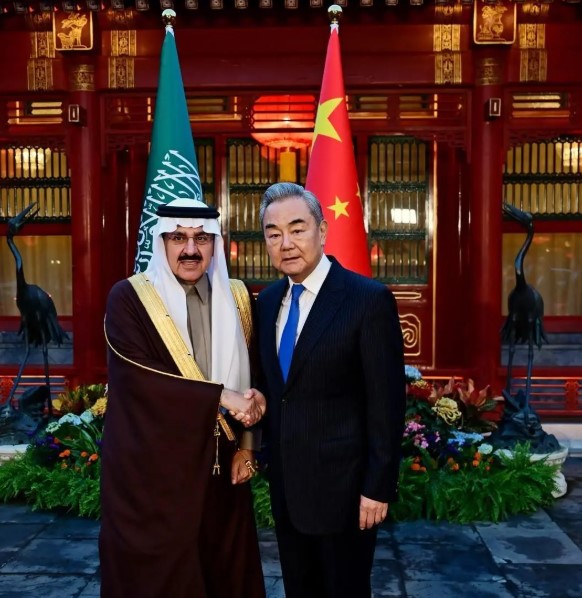
Why It Matters: The Saudi message to China comes at a critical juncture for the Middle East and the wider region, amid the ongoing military tensions. The choice of Al-Aiban, who is also a Minister of State and a Member of the Cabinet, carries a clear signal about the urgency of the message. Matching this level of diplomatic weight, the recipient, Wang Yi, serves as a Member of the Political Bureau of the CPC Central Committee and the Director of the Office of the Central Commission for Foreign Affairs.
Middle East Stability in Focus
The Context: According to the Chinese Foreign Ministry, Wang held talks with Al-Aiban, during which he underscored Saudi Arabia’s role as a strategic partner for China and a centerpiece of its Middle East policy. Wang also highlighted how the two countries have become a stabilizing force in the region by bolstering political mutual trust, maintaining strategic communication, and promoting pragmatic cooperation.
Between the Lines: The two officials exchanged views on the situation in the Middle East and the Gulf. Wang stated that the region “is once again at a critical juncture between war and peace,” urging all parties to pursue negotiations and dialogue to resolve disputes and safeguard the security of energy supplies and shipping routes.
What to Watch: Wang held a separate meeting with Deputy Secretary of the Supreme National Security Council of Iran Ali Bagheri Kani, during which he stressed that dialogue and negotiations are the only way to resolve regional conflicts, according to the Chinese Foreign Ministry.
A New Security Architecture
State of Play: During his meeting with Al-Aiban, Wang outlined China’s vision for a new regional security architecture that serves the interests of the region’s people through consultation. He also reaffirmed Beijing’s commitment to President Xi Jinping’s vision for regional peace and stability, expressing its readiness to work closely with Saudi Arabia and regional partners to help the region overcome geopolitical challenges and achieve enduring peace.
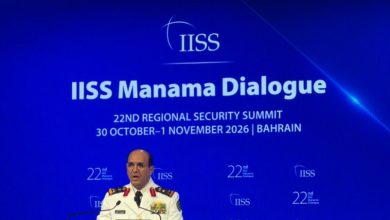
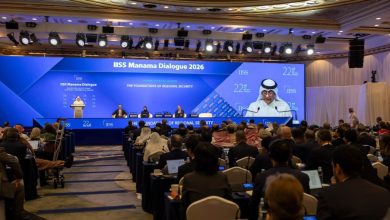
Zoom In: Wang’s remarks echo a five-pillar approach to a unified and sustainable regional security architecture recently laid out by GCC Secretary-General Jasem Albudaiwi and Egyptian Foreign Minister Badr Abdelatty at the Manama Dialogue.
The Economic Imperative
Go Deeper: For both Saudi Arabia and China, regional stability is essential for economic growth and development. Secure maritime shipping lanes and energy supplies through the Red Sea and the Strait of Hormuz are of key importance for Riyadh and Beijing to drive economic transformation and megaprojects under Saudi Vision 2030 and streamline trade via China’s Belt and Road Initiative routes.

Catch Up Quick: China is the world’s largest importer of oil and fossil gas. It has also become a major buyer of Iranian oil, making it one of the most vulnerable countries to the interruption of Gulf energy shipments.
Saudi Arabia’s Multi-Alignment Approach
The Strategy: In line with its foreign policy, Riyadh maintains deep ties with Western partners while cultivating strong relations with the Global South, establishing an autonomous diplomatic model capable of engaging both East and West to protect regional interests in an increasingly multipolar world.
Saudi De-escalation Push: In line with Riyadh’s strategic leadership and commitment to regional stability, the Kingdom has played a supportive role in the US-Iran negotiations, encouraging both parties to focus on the diplomatic track to bridge the gaps. At the same time, the Kingdom remains a central guardian of open dialogue, maritime safety, and global energy supply security.
China’s Strategic Role: As a stakeholder in Middle Eastern stability, China has positioned itself as a potential mediator, intensifying diplomatic efforts to ease military tensions and facilitate regional conflict resolution.
Looking Ahead: Saudi Arabia and China maintain robust diplomatic and economic ties. As the two countries marked the 10th anniversary of their comprehensive strategic partnership earlier this year, they continue to deepen cooperation across various areas including energy, investment, and technology.
The Bottom Line: Riyadh’s message to Beijing highlights a sovereign, proactive diplomacy anchored in strategic multi-alignment. In a changing global order, the Saudi-Chinese dialogue lays the groundwork for a resilient and sustainable regional security architecture that reinforces long-term stability and peace.