
Naval Deterrence: Saudi Arabia Calls for Collective Action to Protect Straits
Recent regional military tensions have put global energy routes and supply chains under serious threat, necessitating a collective response under international law.
This has been Saudi Arabia’s consistent call to the international community as critical waterways, including the Strait of Hormuz and the Bab al-Mandab Strait, have turned into flashpoints.
An International Duty
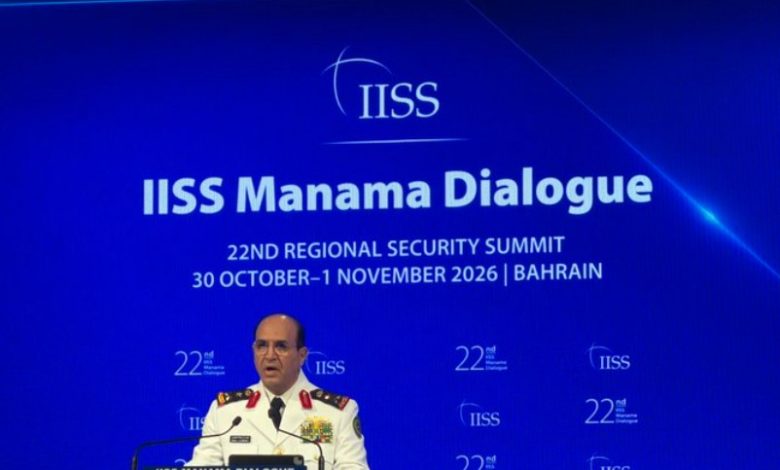
Driving the News: Deputy Chief of Staff of the Saudi Armed Forces Vice Admiral Fahd bin Abdullah Alghofaily stressed that freedom of navigation and the security of the straits are a shared international responsibility.
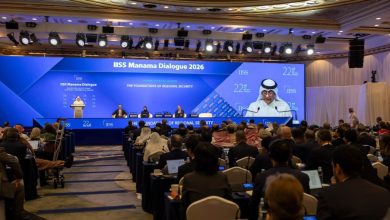
The Big Picture: Addressing the Manama Dialogue in Bahrain, Alghofaily noted that threats to maritime corridors, including Houthi attacks on commercial shipping, impact the interests of all countries around the world, affecting global energy security, international trade, food supplies, and supply chains, and thus requiring an effective collective response.
In His Words: “Freedom of passage through international straits and freedom of navigation are not merely matters of economic interest. They are fundamental pillars of international security and stability.” – Vice Admiral Fahd Alghofaily, Deputy Chief of Staff of the Saudi Armed Forces.
Maritime Chokepoints Under Threat
State of Play: The recent US-Iran conflict has triggered military tensions around strategic waterways, namely the Strait of Hormuz and the Bab al-Mandab Strait.
- Strait of Hormuz: Since the start of the conflict, Iran has disrupted maritime navigation in the Strait of Hormuz – through which around 20% of daily global oil and LNG supplies pass – attempting to impose transit fees.
- Bab al-Mandab Strait: The Iranian-backed Houthi militia has escalated threats to commercial shipping in the Red Sea and the Bab al-Mandab Strait, through which around 10% to 15% of all global trade passes annually.
The Impact: These disruptions to international shipping have sent shockwaves across the global economy, causing a surge in prices and destabilizing supply chains.
Defending the Red Sea
Between the Lines: In response to the mounting threats to maritime chokepoints, Saudi Arabia launched the Multinational Maritime Defense Coalition in late July 2026, with 14 founding members, to address and deter the growing threats to maritime security, including attacks against commercial vessels, energy tankers, and naval infrastructure in the Bab al-Mandab Strait, the Red Sea, and the Gulf of Aden.
Zoom In: Appointing Rear Admiral Abdullah bin Salem Alshehri as its Commander, the coalition reiterated its core mission of protecting international navigation, maritime corridors, and strategic straits in compliance with international law. This includes leveraging integrated capabilities, real-time intelligence sharing, and coordinated efforts to counter threats to maritime corridors in its area of responsibility.
Looking Ahead: During his speech at the Manama Dialogue, Alghofaily stressed that international straits must remain safe passages for navigation, not instruments of political or military bargaining. He emphasized that, in addition to military deployments, achieving maritime security requires trust, transparency, communication, and mechanisms to prevent escalation. In this context, he called for an integrated regional security framework capable of early threat identification, real-time intelligence exchange, coordinated operational response, and effective incident de-escalation.
De-escalation Call in Hormuz
The Context: Saudi Arabia has leveraged its membership in international platforms, such as the International Maritime Organization (IMO), to ensure the smooth movement of maritime transport in the Strait of Hormuz and the sustainability of supply chains.
The Kingdom has also condemned attacks that threaten the security of global trade and stressed that the Strait of Hormuz is an international waterway where the right of passage is guaranteed under international law.
Furthermore, Saudi Arabia has supported de-escalation efforts undertaken by several countries, most notably Pakistan and Qatar, to restore regional stability and create conditions conducive to dialogue and diplomacy.
Saudi Naval Readiness
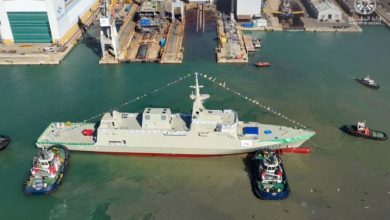
The Deep Dive: Under Vision 2030, Saudi Arabia has embarked on a modernization push, which includes the expansion of the Royal Saudi Naval Forces (RSNF) fleet by adding multi-mission corvettes to boost naval readiness through real-time air-defense coverage, anti-submarine warfare, and surface deterrence.
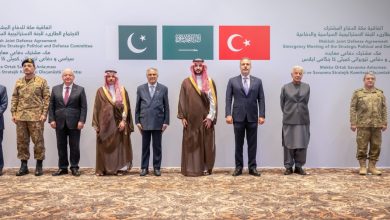
What to Watch: Several allies and partners have voiced their steadfast support for Saudi Arabia in countering the Houthi threats and protecting freedom of navigation in the Red Sea, pledging diplomatic, intelligence, and defense support to the Kingdom. These include Egypt, Pakistan, Türkiye, France, the UK, Italy, the European Union (EU), and the US.
The Bottom Line: By championing the principle that strait security is a shared international responsibility, Saudi Arabia is transforming maritime defense into a coordinated global effort to protect the Red Sea and preserve stability in the Gulf.