Shared Interests, Joint Defense: Saudi Arabia, France Double Down on Maritime Security
Amid the recent regional tensions, Saudi Arabia and France have further solidified their strategic partnership, aligning on regional de-escalation and maritime security.
This position was reiterated during high-level talks between the top diplomats of the two countries, as French President Emmanuel Macron embarked on a four-day Gulf tour, visiting Kuwait, UAE, Bahrain, and Qatar, in a diplomatic push to support efforts aimed at restoring freedom of navigation in international waterways.
French Solidarity with Riyadh
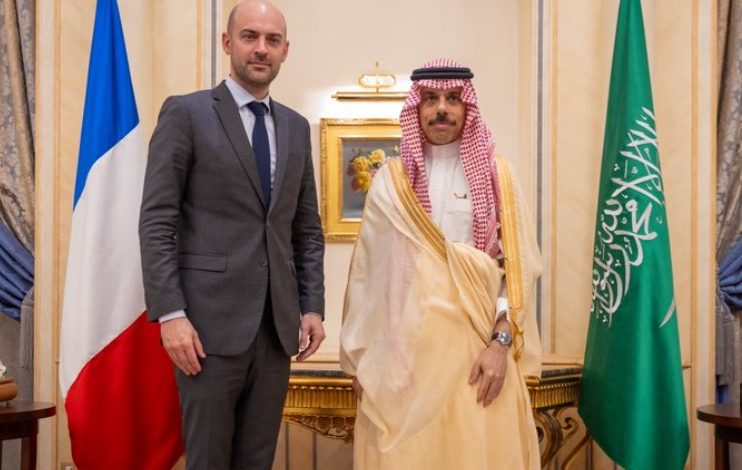
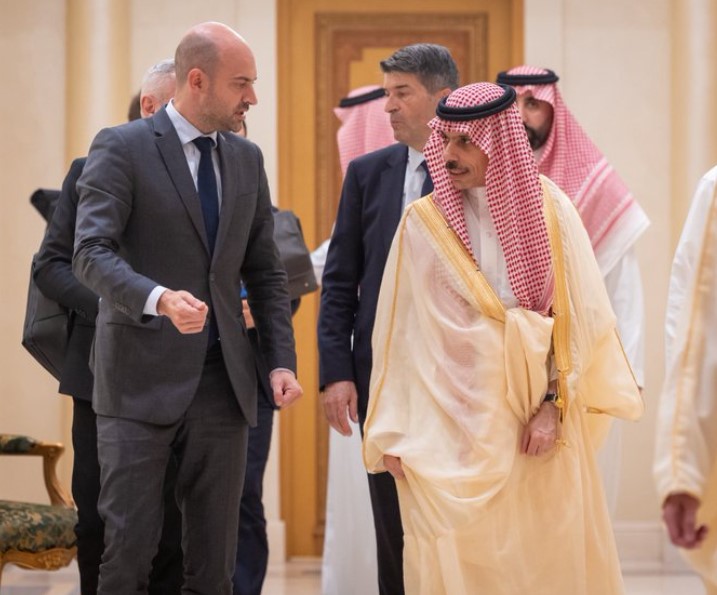
Driving the News: Saudi Foreign Minister Prince Faisal bin Farhan received his French counterpart Jean-Noël Barrot in Riyadh on Monday, October 19, 2026, according to the Saudi Press Agency (SPA).
The Big Picture: Both ministers reviewed Saudi-French relations and explored avenues for strengthening the existing partnership across various fields to serve mutual interests. Their discussions focused on the recent regional developments and efforts aimed at mitigating their implications.
The French Position: Barrot expressed France’s solidarity with Saudi Arabia in the face of the Houthi escalation, condemning the Iranian-backed militia attacks against the Kingdom.
The Backstory: After four years of relative calm, the Iranian-backed Houthi militia escalated attacks against the Kingdom, targeting its civilians and civilian infrastructure with drones and ballistic missiles. Since July 2026, the terrorist militia has attacked Riyadh, Taif, Abha, Khamis Mushait, Jazan, and Najran. It also attempted to target the holy cities of Makkah and Madinah.
Most recently, the Houthis have repeatedly targeted Saudi Arabia’s airports, including King Khalid International Airport in Riyadh, King Fahd Airport in Dammam, as well as Abha, Jazan, and Najran airports, killing dozens of civilians and injuring hundreds.
Alignment on Maritime Security
The Context: During their meeting, Prince Faisal bin Farhan and Barrot stressed the need to intensify diplomatic efforts to ensure the security and safety of regional waterways and freedom of navigation. The top diplomats of Saudi Arabia and France also underscored the importance of supporting efforts to reach comprehensive and sustainable solutions to ongoing regional crises, thus bolstering security and stability.
Flashback: The US-Iran conflict, which broke out in late February 2026, has triggered military tensions around strategic waterways. Iran has disrupted maritime navigation in the Strait of Hormuz – through which around 20% of daily global oil and LNG supplies pass – attempting to impose transit fees.
Meanwhile, the Iranian-backed Houthi militia has escalated threats to commercial shipping in the Red Sea and the Bab al-Mandab Strait, through which around 10% to 15% of all global trade passes annually. These disruptions have sent shockwaves across the global economy.
The Defense Shield Over Yanbu
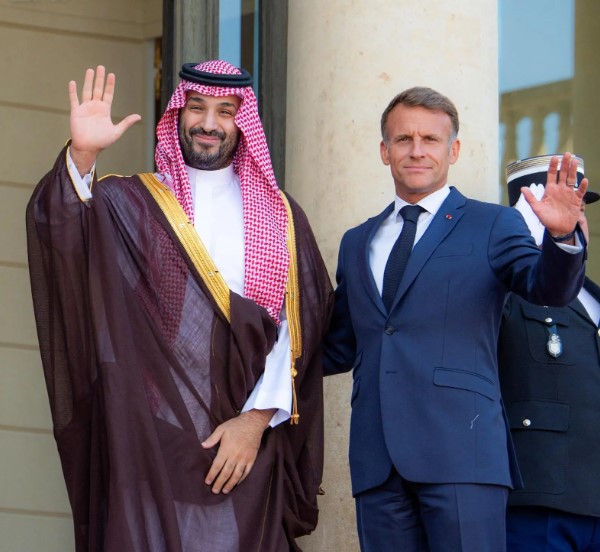
State of Play: France has started deploying military assets, including troops, radar units, and defense systems, to the Kingdom to help protect the Red Sea port city of Yanbu. The deployment followed an earlier announcement by President Macron, who stressed that this move came in coordination with Riyadh for strictly defensive purposes.
Why It Matters: Yanbu is a strategic oil export hub located on the Red Sea coast. Since the closure of Hormuz, Saudi Arabia has re-routed much of its energy exports to Yanbu through the East-West Pipeline, known as Petroline, for transit to European markets via Egypt’s Suez Canal.
What He Said: “You know that the Houthi attacks in Yemen and against Saudi Arabia threaten not only Saudi Arabia’s security and the region’s energy security, but you also know that the President announced on September 24th that France would support the defense of Saudi energy infrastructure, particularly the Yanbu East-West Corridor. And this support is currently being deployed.” – Pascal Confavreux, Spokesperson for the French Foreign Ministry, stated in a press conference.
Red Sea Security: An International Responsibility
Between the Lines: Saudi Arabia warned against the direct threat posed by the Houthis to global maritime trade and international security, stressing that safeguarding international navigation and the sustainability of global supply chains is a shared responsibility that requires serious international cooperation to prevent disruptions to global commerce.
The Impact: On October 15, the UN Security Council (UNSC) issued a presidential statement strongly condemning the “reckless strikes” on Saudi airports, particularly King Khalid International Airport, and Saudi Aramco facilities. It also denounced continued Houthi attacks and threats against commercial shipping in the Red Sea and the Bab al-Mandab Strait.
In light of this, the statement underscored the importance of implementing UNSC Resolution 2216 (2015), which demands an arms embargo on the Houthis and their unconditional withdrawal from seized territories such as Sanaa.
The Red Sea Allied Front
Zoom In: In addition to France, several allies and partners have voiced their steadfast support for Saudi Arabia in countering the Houthi threats and protecting freedom of navigation in the Red Sea.
Regional Allies:
- Egypt: Egyptian President Abdel Fattah Al-Sisi declared that Egypt would take any action to protect and defend Saudi Arabia, in accordance with guidance from the Custodian of the Two Holy Mosques, King Salman bin Abdulaziz, and the Saudi Crown Prince and Prime Minister, Mohammed bin Salman. He called for an emergency parliamentary session to authorize the move, should the Kingdom request it.
- Pakistan: Islamabad has deployed military personnel and resources to Saudi Arabia, confirming that their role is strictly defensive. Pakistan has a Strategic Mutual Defense Agreement (SMDA) with the Kingdom and is a member of the Makkah Defense Alliance, alongside Saudi Arabia and Türkiye.
- Türkiye: Ankara has provided air defense systems, intelligence support, drone operators and logistics to Saudi Arabia. As a member of the Makkah Defense Alliance, Türkiye will submit the agreement to parliament for ratification.
International Allies:
- The UK: British Prime Minister Andy Burnham announced that the UK would deploy a single RAF Voyager air-to-air refueling aircraft to Saudi Arabia to support defensive missions aimed at deterring Houthi attacks against energy infrastructure and protect the Bab al-Mandab Strait.
- The EU: The European Union (EU) has raised the alert level of its EUNAVFOR ASPIDES naval mission in the Red Sea to enhance security in the critical maritime route amid the escalating Houthi threats, saying that the bloc would reinforce coordination with the Saudi-led Multinational Maritime Coalition.
- Italy: Rome said that it would deploy additional warships to ensure the safe passage of commercial vessels through the Bab al-Mandab Strait, saying it would not wait for a joint decision from the EU.
- The US: Washington has reiterated its commitment to the strategic defense agreement with Riyadh, voicing strong support for Saudi Arabia against Houthi attacks.
The Bottom Line: The high-level talks between the Saudi and French foreign ministers underscore a shared commitment to maritime and energy defense. They also highlight Riyadh’s growing network of allies and partners, aligning on regional de-escalation and energy security.