Strategic Engagement: Saudi Arabia Tightens Defense Cooperation with NATO Allies
Amid a shifting regional landscape, Saudi Arabia boosts coordination with transatlantic allies and partners to counter threats to critical maritime routes and energy infrastructure.
In a series of high-level security engagements, the Kingdom has leveraged its strategic defense diplomacy to rally European and NATO partners against shared threats, bridging Gulf security with transatlantic defense networks.
High-Level Security Talks
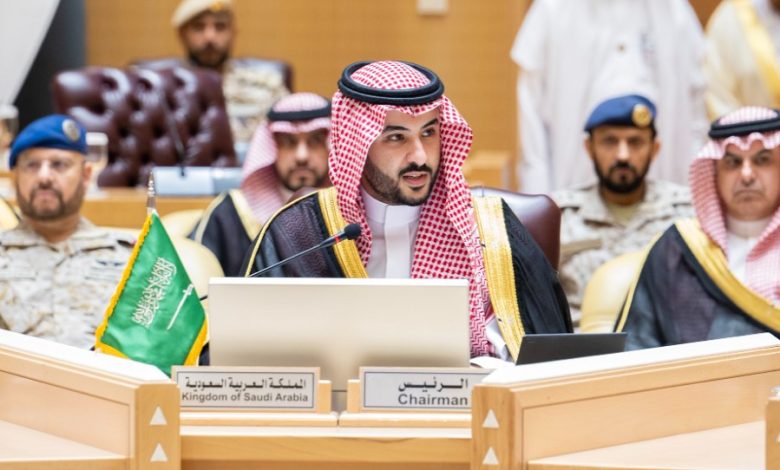
Driving the News: Saudi Defense Minister Prince Khalid bin Salman held separate phone calls with NATO Secretary-General Mark Rutte alongside counterparts from Germany, Spain, and Canada on October 30, 2026.
The Big Picture: The talks centered around reinforcing joint defense cooperation, regional stability, and maritime security in the light of the ongoing Houthi aggression against Saudi civilian and energy infrastructure as well as the militia’s escalating threats to freedom of navigation in the Red Sea.
Catch Up Quick: Since July 2026, the Iranian-backed Houthi militia has escalated its attacks on Saudi civilian and energy infrastructure with drones and missiles across Riyadh, Taif, Abha, Jeddah, Yanbu, Khamis Mushait, Jazan, and Najran. The militia has also targeted Saudi Arabia’s airports, including King Khalid International Airport in Riyadh, King Fahd Airport in Dammam, as well as Abha, Jazan, and Najran airports, killing dozens of civilians and injuring hundreds. Moreover, the Houthis have attempted to target Makkah and Madinah, the two holiest cities in Islam.
Saudi-NATO Security Dialogue
State of Play: Prince Khalid bin Salman and Rutte reviewed aspects of bilateral defense cooperation and coordination with respect to the latest regional developments to establish regional and international security and stability.
The Backstory: Saudi Arabia maintains robust defense relations with several NATO member states through formal frameworks and strategic arrangements.
- Istanbul Cooperation Initiative (ICI): Saudi Arabia cooperates with NATO through frameworks such as the ICI, which promotes security cooperation between NATO and countries in the broader Middle East. Despite not being a full member, the Kingdom participates selectively or as an observer/partner in specific programs and policy discussions.
- Bilateral Defense Ties: Saudi Arabia coordinates defense policy, arms procurement, and regional security with key NATO members, including the US, the UK, Spain, Germany, Italy, France, Türkiye, and Canada.
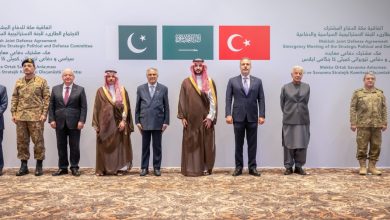
What to Know: In August 2026, Saudi Arabia, alongside Pakistan and Türkiye, established the Makkah Defense Alliance – a NATO-style defense bloc stipulating that any armed attack against any one of the three states shall be regarded as an attack against them all, laying the ground for collective deterrence, joint readiness, and coordinated military response.
Saudi-German Defense Talks
The Context: The Saudi Defense Minister held discussions with his German counterpart, Boris Pistorius, during which they reviewed bilateral defense relations and explored ways to coordinate efforts to address regional developments to achieve security and stability.
Between the Lines: Riyadh and Berlin have longstanding diplomatic, economic, and security ties. Building on Germany‘s advanced defense technology and shared interests in counterterrorism and maritime security, the two countries further deepened their defense partnership during a visit by German Chancellor Friedrich Merz to the Kingdom in early February 2026, heralding a new era of cooperation in defense, technology, and energy.
Riyadh-Madrid Alignment
Zoom In: Prince Khalid bin Salman spoke with Spanish Defense Minister Margarita Robles, exploring ways to strengthen Saudi-Spanish defense cooperation.
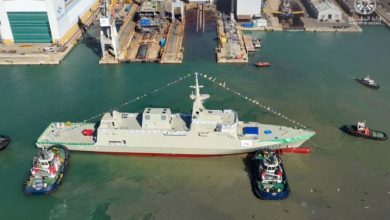
What to Watch: Saudi Arabia and Spain share robust defense ties anchored in strategic naval and defense manufacturing partnerships, including contracts with Navantia for the construction of modern corvettes and training Saudi engineers, supporting the Kingdom’s defense localization and fleet modernization under Vision 2030. Riyadh and Madrid are also key stakeholders in maritime security in the Mediterranean and the Red Sea.
Growing Saudi-Canadian Military Ties
Go Deeper: The Saudi Defense Minister and his Canadian counterpart David McGuinty reviewed prospects for bolstering bilateral defense cooperation. They also discussed regional developments and ways to promote security and stability.
Flashback: Building on Canada’s Prime Minister Mark Carney landmark visit to Jeddah in early July 2026, Riyadh and Ottawa are deepening their defense relations. During the visit, Carney announced that Canada would appoint a resident Defense Attaché in Riyadh to deepen military ties, boost bilateral engagements, and increase Canadian defense sector’s exports. Furthermore, Riyadh and Ottawa committed to finalizing an MoU on defense cooperation. Canada would also have a national pavilion in the upcoming World Defense Show (WDS 2028) in Riyadh.
Advancing Localization Goals
The Objective: Under Vision 2030, Saudi Arabia aims to localize over 50% of military spending by the end of the decade by reducing equipment imports and boosting technology transfer and local assembly, thereby bolstering national security and defense sovereignty.
The Catalyst: The General Authority for Military Industries (GAMI), alongside Saudi Arabian Military Industries (SAMI), the Kingdom’s commercial defense champion and the General Authority for Defense Development (GADD), the Kingdom’s R&D engine, are spearheading the Kingdom’s defense localization push.
The Impact: By the end of 2025, the localization rate of military spending in Saudi Arabia reached 27.3%, up from 24.89% in 2024.
The Bottom Line: Saudi Arabia’s recent high-level security talks underline how Riyadh’s defense diplomacy positions the Kingdom as an anchor of regional stability, leveraging its transatlantic ties to address shared challenges and advance the objectives of Vision 2030.