
Regional De-Escalation Push: Makkah Alliance Delegation Holds Security Talks in Iran
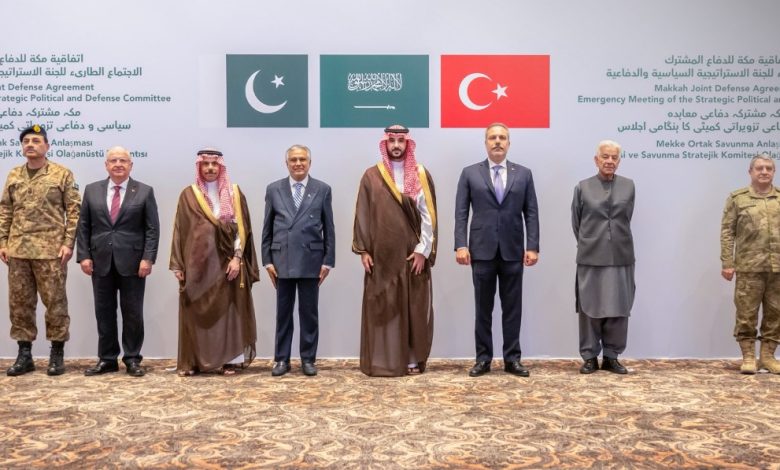
In its first joint diplomatic mission, the Makkah Defense Alliance is heading to Tehran for high-level security talks with Iranian leaders.
The trip, which marks a landmark moment for the newly formed bloc, underscores a strategic convergence on regional de-escalation, aligning with Saudi Arabia’s dual-track approach of proactive diplomacy and deterrence to anchor security and stability across the Middle East.
Makkah Allies in Tehran
Driving the News: Saudi Defense Minister Prince Khalid bin Salman is leading a high-level Saudi delegation to Iran, according to a statement by Saudi Deputy Minister for Public Diplomacy Dr. Rayed Krimly.
The Big Picture: The Saudi delegation will join partners from the Makkah Joint Defense Agreement (Makkah Defense Alliance) in a trip to Tehran to meet with Iranian President Masoud Pezeshkian and Secretary of the Supreme National Security Council of Iran Mohsen Rezaei on Monday, October 26, 2026.
Other Representatives: Army Chief Field Marshal Asim Munir will represent Pakistan, while Intelligence Chief İbrahim Kalın will represent Türkiye.
What’s on the Agenda
State of Play: According to Krimly, the visit aligns with the Makkah Defense Alliance’s efforts to de-escalate the ongoing regional crisis by promoting dialogue and diplomatic solutions. These include supporting Pakistani and Qatari mediation efforts to reach a comprehensive agreement to end the US-Iran conflict.
The Backstory: Since the outbreak of the US-Iran conflict in late February 2026, Pakistan has led mediation efforts to reach an agreement that ends the conflict. These efforts culminated in a preliminary deal in mid-June, known as the Islamabad Memorandum of Understanding (MoU), which established a ceasefire and temporarily ended the war. However, the agreement soon collapsed amid disagreements over the management of the Strait of Hormuz. Since then, Islamabad and Doha have been engaged in intensified diplomatic talks to secure a ceasefire deal.
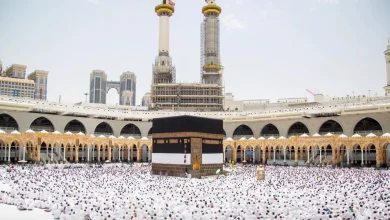
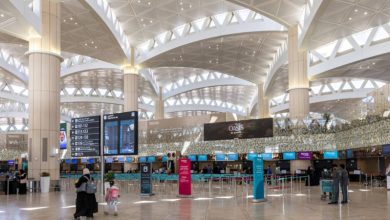
Houthi Escalation: Since July 2026, the Iranian-backed Houthi militia has escalated its attacks on Saudi civilian and energy infrastructure with drones and missiles across Riyadh, Taif, Abha, Jeddah, Yanbu, Khamis Mushait, Jazan, and Najran. The militia has also targeted Saudi Arabia’s airports, including King Khalid International Airport in Riyadh, King Fahd Airport in Dammam, as well as Abha, Jazan, and Najran airports, killing dozens of civilians and injuring hundreds. Moreover, the Houthis attempted to target Makkah and Madinah, the two holiest cities in Islam.
Saudi Arabia’s De-escalation Push
The Context: In line with Riyadh’s strategic leadership and commitment to regional stability, the Kingdom has played a supportive role in the US-Iran negotiations, encouraging both parties to focus on the diplomatic track to bridge the gaps.
Following the Islamabad MoU’s collapse, Washington was actively considering a powerful bombing campaign against Iranian targets. However, Riyadh stepped in and averted a wider regional escalation. A high-stakes phone call from Saudi Crown Prince Mohammed bin Salman convinced US President Donald Trump to call off the planned attack and prevented the conflict from spiraling out of control.
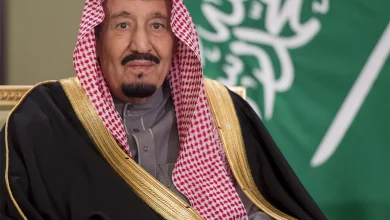
Flashback: Riyadh has maintained a balanced diplomatic approach toward Tehran. In April 2025, Prince Khalid bin Salman visited Iran, where he met with senior Iranian officials, including the late Supreme Leader Ali Khamenei, and delivered a letter from King Salman bin Abdulaziz to Iranian leadership. The visit included discussions on fostering bilateral relations and joint cooperation across various fields.
The Makkah Pact in Action
Between the Lines: The Makkah Pact delegation’s visit to Tehran reaffirms the pivotal role of the alliance’s member states in establishing regional stability and security. It also underscores their readiness to work with all countries in the region to achieve that goal.
Go Deeper: On August 7, 2026, Saudi Arabia, Pakistan, and Türkiye signed the Makkah Joint Defense Agreement which stipulates that “any armed attack against any one of the three states shall be regarded as an attack against them all,” laying the ground for collective deterrence, joint readiness, and coordinated military response. Most recently, the alliance activated the collective deterrence measures, including the rapid deployment of the agreed military forces and capabilities in the Kingdom, in response to the Houthi threat.
Iran’s Position
Zoom In: Iran has expressed its interest in joining the Makkah Defense Alliance, although it has not been officially invited. Iranian President Masoud Pezeshkian said that Tehran was ready to take part in the alliance, calling for Muslim unity.
Looking Ahead: Deputy Secretary of Iran’s Supreme National Security Council Ali Bagheri Kani noted that the Monday meeting in Tehran could see an effective step toward establishing regional security with the participation of actors in the region.
The Bottom Line: The planned meeting between the Makkah Defense Alliance delegation and Iranian officials demonstrates that collective deterrence and proactive diplomacy go hand-in-hand. It also underscores a shared commitment to collective action to maintain regional security and stability through synchronized diplomatic and defense tracks.