Saudi-Pakistan Summit: The Riyadh-Islamabad Diplomatic Front to Push for De-Escalation
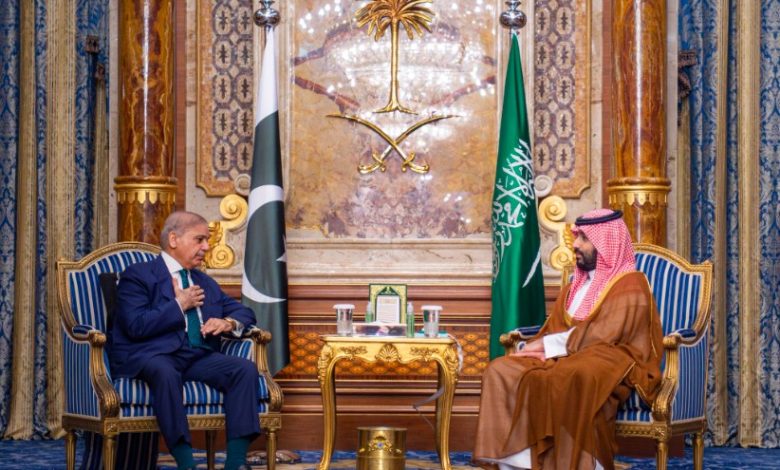
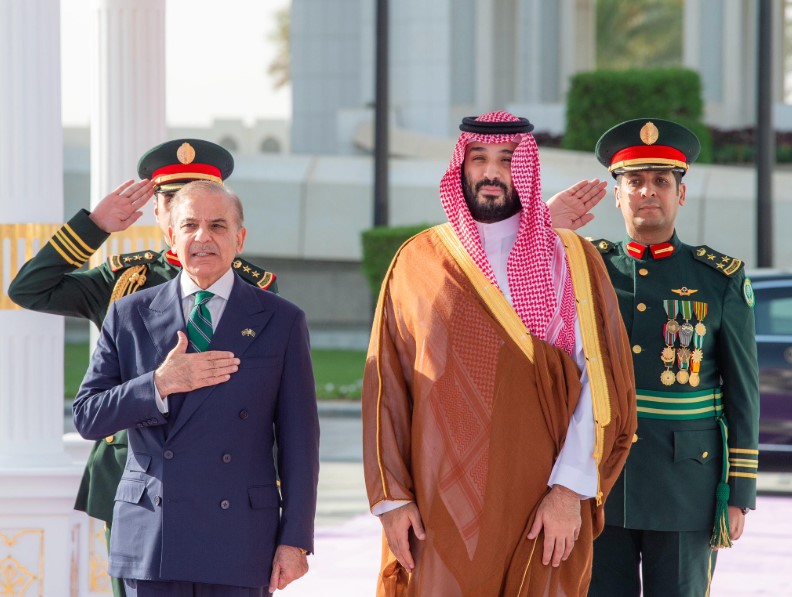
The Prime Minister of Pakistan Mohammed Shehbaz Sharif and Army Chief Field Marshal Asim Munir are expected to land in Saudi Arabia on Thursday, August 6, 2026, for an official three-day visit to the Kingdom.
The visit comes at a time of extensive diplomatic activity across the region to prevent further escalation and anchor stability amid the widening Middle East conflict. The upcoming Saudi-Pakistani summit reflects a growing alignment between Riyadh and Islamabad to develop a unified and proactive front for regional peace.
As the trip comes on the heels of high-level talks in Jordan and amid the Pakistani-mediated talks between the US and Iran, Saudi Arabia, once again, is asserting its status as the central nexus of regional diplomacy, leading multilateral efforts to advocate for dialogue and de-escalation.
High-Level Summit
Driving the News: Pakistani Prime Minister Mohammed Shehbaz Sharif has embarked on a visit to Saudi Arabia from August 6-8, leading a high-level delegation comprising Deputy Prime Minister and Foreign Minister Ishaq Dar, and Army Chief and Chief of Defense Forces Asim Munir, as well as other ministers, Pakistan’s Foreign Ministry said in a statement.
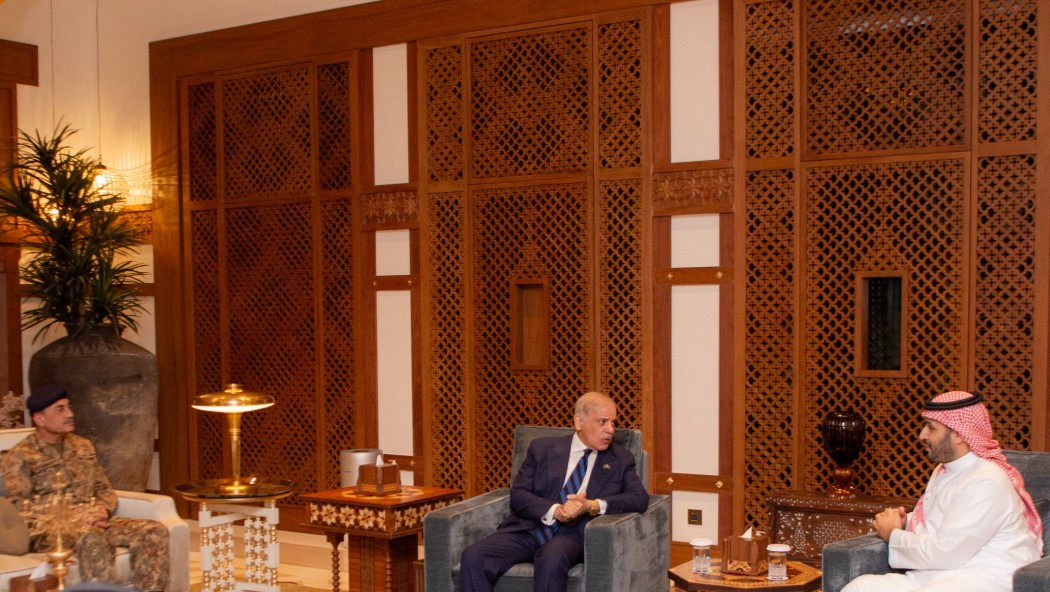
The Big Picture: Sharif will meet with Saudi Crown Prince and Prime Minister Mohammed bin Salman to discuss ways to bolster bilateral ties, deepen strategic cooperation, and enhance coordination of regional and international issues of common interest.
What to Watch: Sources told Al-Arabiya that the Pakistani officials will inform the Saudi Crown Prince on the latest developments in the ongoing US-Iran talks.
Riyadh-Islamabad Synergy
The Context: Saudi Arabia and Pakistan are deepening their strategic partnership across various sectors, aligning their positions on different regional and international issues. Both countries share a broader vision of de-escalation, favoring dialogue and diplomatic solutions over military ones.
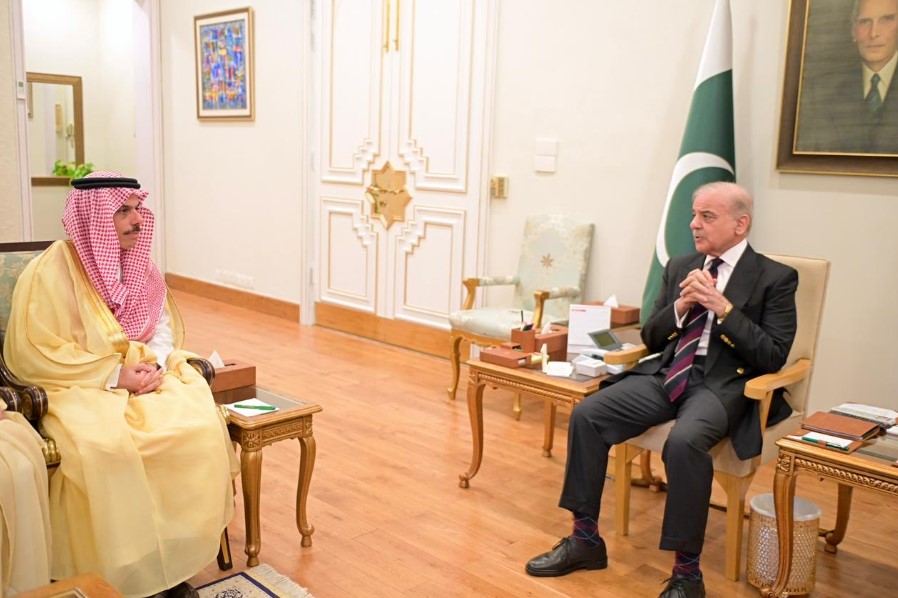
Between the Lines: Relations between Riyadh and Islamabad are driven by security collaboration and defense partnership, positioning the two heavyweights as stabilizing forces for the wide region.
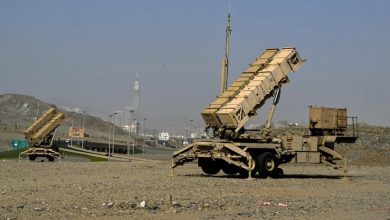
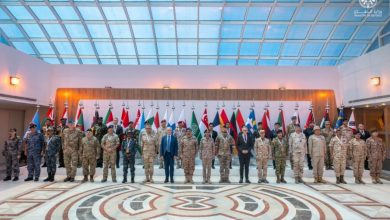
- Maritime Security: Pakistan has joined the Saudi-led Multinational Maritime Defense Coalition to protect shipping in critical waterways including the Bab al-Mandab Strait, the Red Sea, and the Gulf of Aden.
- Counterterrorism: Pakistan is a member of Islamic Military Counter-Terrorism Coalition (IMCTC) – a 43-nation alliance launched by Saudi Arabia in 2015 to coordinate and solidify efforts of Muslim countries in countering terrorism.
- Defense Partnership: Riyadh and Islamabad signed a Strategic Mutual Defense Agreement (SMDA), in September 2025. The mutual defense pact enhances bilateral cooperation and strengthens joint deterrence against any potential aggression. It clearly states that “any aggression against either country shall be considered an aggression against both.”
A Unified Diplomatic Front
The Deep Dive: Saudi Arabia and Pakistan have a shared commitment to Arab and Muslim causes. The two countries support Palestinian rights, championing a two-state solution that paves the way for establishing an independent Palestinian State, with East Jerusalem as its capital. They also advocate for de-escalation of tensions and regional stability.
The Palestinian Cause
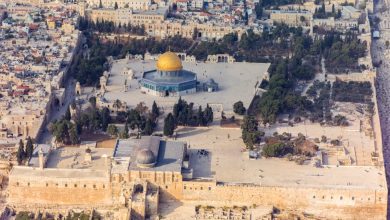
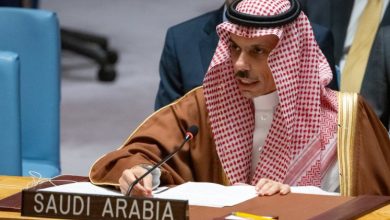
Where Things Stand: Saudi Foreign Minister Prince Faisal bin Farhan and his Pakistani counterpart Ishaq Dar took part in the Ministerial Meeting in Support of Jerusalem and Its Holy Sites, held in Jordan on August 5. The meeting underscored a wider Arab and Islamic alignment on Saudi Arabia’s firm stance on the Palestinian cause, rejecting any attempts to alter Jerusalem‘s status quo or identity and stressing that a two-state solution based on 1967 borders is the only path to peace.
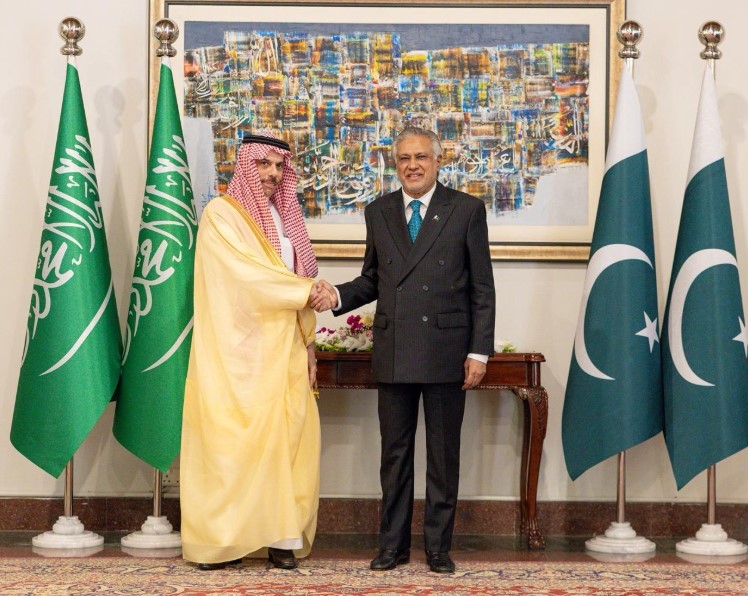
State of Play: This position was further reiterated in a joint statement involving Saudi Arabia, Pakistan, and six Arab and Islamic nations, in which they strongly denounced the ongoing Israeli violations in Gaza, which constitute a clear breach of Israel’s obligations under international law and the Comprehensive Peace Plan to end the Gaza conflict.
Taken together with Israeli settlers’ attacks in the occupied West Bank, unlawful settlement expansion, and unilateral measures to alter the status quo in occupied Jerusalem, the statement noted that these practices constitute a systematic policy aimed at imposing a fait accompli by force, undermining the foundations of the two-state solution, and marginalizing the legitimate rights of the Palestinian people, in flagrant violation of international law and the relevant UN resolutions.
The Stance: The statement affirmed that the only path to achieving a just and comprehensive peace is the launch of a serious political process leading to the implementation of the two-state solution, including the establishment of an independent and sovereign Palestinian State based on the 1967 lines, with East Jerusalem as its capital.
The R-4 Mechanism
The Framework: Saudi Arabia and Pakistan, alongside Egypt and Türkiye, are members of the Regional Four (R-4) group – a quadrilateral consultative framework focused on boosting joint coordination and unifying positions in the face of the rapidly evolving developments and dangerous military escalation in the Middle East.
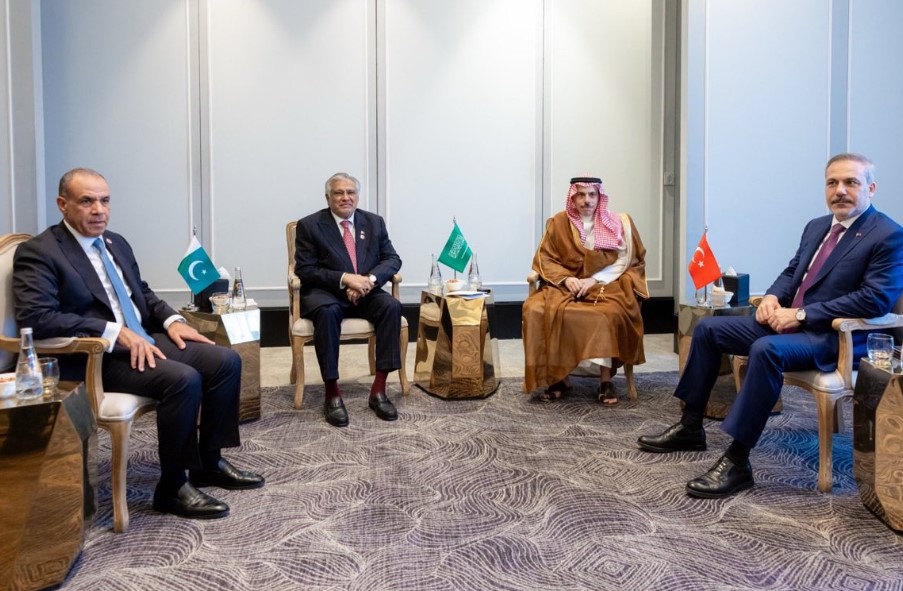
The R-4 held its fifth meeting in Amman on August 5, on the sidelines of the Ministerial Meeting on Jerusalem. During the meeting, the foreign ministers of the four countries reviewed the latest regional developments, emphasizing the importance of intensifying coordination and unifying positions on the current issues.
Why It Matters: They also reaffirmed the importance of collective efforts to ensure the security of maritime corridors in the Strait of Hormuz and the Bab al-Mandab Strait, safeguarding freedom of navigation and contributing to the stability of global supply chains and energy markets. In light of this, they hailed the Saudi-led Multilateral Maritime Defense Coalition to protect international waterways and deter threats to international navigation and seafarers.
Between the Lines: Discussions also addressed efforts aimed at de-escalation and addressing security challenges, stressing the need to support diplomatic solutions and Pakistani-Qatari mediation efforts. The ministers also underscored the need to reinforce respect for the sovereignty and territorial integrity of states in a manner that preserves regional security and stability.
Commitment to De-escalation
The Background: Pakistan is the primary mediator in the talks between the US and Iran to reach an agreement that ends their conflict. On June 18, Washington and Tehran signed a preliminary deal, known as the Islamabad Memorandum of Understanding (MoU), which established a ceasefire and temporarily ended the war. However, the agreement soon collapsed amid disagreements over the management of the Strait of Hormuz.
The Pivot: Following the MoU’s collapse, Washington was actively considering a powerful bombing campaign against Iranian targets. However, Riyadh stepped in and averted a wider regional escalation. A high-stakes phone call from Saudi Crown Prince Mohammed bin Salman convinced US President Donald Trump to call off the planned attack and prevented the conflict from spiraling out of control.
The Bottom Line: Through proactive diplomacy, strategic defense alignment, and multilateral coordination, Saudi Arabia is solidifying itself as the cornerstone of regional stability and peaceful resolution.