Saudi Arabia Spearheads Multinational Maritime Coalition to Secure Bab al-Mandab
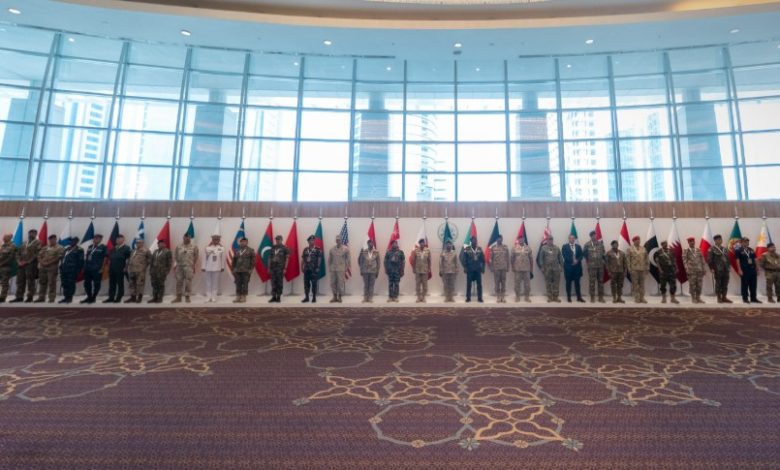
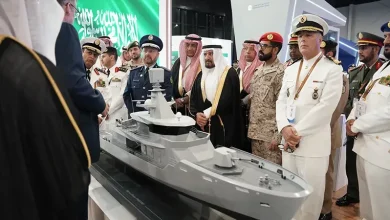
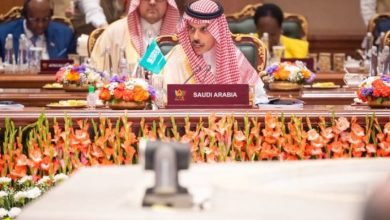
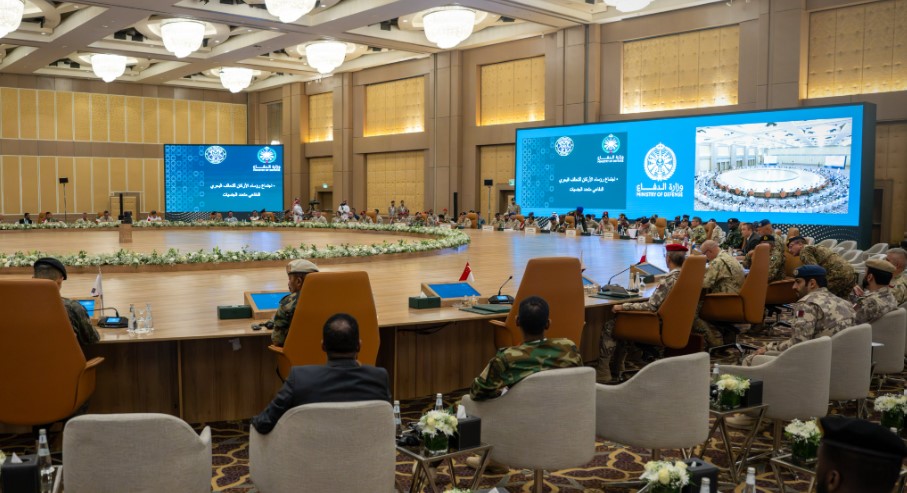
Saudi Arabia convened the military chiefs of more than 40 countries on Thursday to discuss the Kingdom’s initiative to establish a multinational defensive maritime coalition to protect shipping in the Bab al-Mandab Strait, the Red Sea, and the Gulf of Aden.
Why It Matters: The coalition meeting in Riyadh comes amid heightened security alarm across regional maritime trade routes, following recent attacks on energy infrastructure and maritime incidents in the Red Sea and the Eastern Mediterranean, including the drone strike near Egypt’s Damietta Port.
Riyadh Leads the Way
The Big Picture: The Saudi Defense Ministry hosted a meeting for the Chiefs of Staff and representatives of friendly and brotherly nations to discuss the creation of a multinational defensive maritime coalition, in line with the Kingdom’s efforts to boost maritime security, protect international sea lanes, and confront threats to maritime navigation and global trade.
By the Numbers:
- 51: Countries and organizations invited.
- 43: Defense Chiefs and representatives participated, in addition to the EU Delegation to Saudi Arabia.
- 14: Countries supported the formation of the coalition.
The Context: According to a statement by the Saudi Defense Ministry, the participants discussed the growing threats to maritime security, including attacks against commercial vessels, energy tankers, and naval infrastructure, and the dangers they pose to maritime safety, global supply chains stability, and the global economy. In light of this, the participants stressed the importance of consolidating multilateral defense cooperation to address and deter these threats and to safeguard the security of international waterways.

The Outcome: The meeting concluded by emphasizing the shared commitment to move forward with the foundational procedures for establishing the multinational defensive maritime coalition. This aims to enhance collective capacity to address and deter threats targeting maritime security, safeguard international sea lanes, protect the freedom of navigation and global trade, and reinforce regional and international peace and stability.
Building the Framework
State of Play: The participants discussed the draft charter of the multinational defensive maritime coalition, its reference documents, organizational structure, command-and-control arrangements, operational mechanisms, and proposed future steps. Discussions also aimed to ensure the establishment of an effective institutional framework that enhances maritime defense cooperation among participating states and addresses joint maritime threats in the Bab al-Mandab Strait, the Red Sea, and the Gulf of Aden.
Zoom In: During the meeting, the participants addressed the coalition’s foundational arrangements, including the designation of Saudi Arabia as the founding and leading nation of the coalition and the host of its headquarters, reflecting international confidence in the Kingdom’s maritime leadership.
What’s Next: The participants agreed that military planners from prospective member states will continue their coordination during the upcoming phase to finalize the coalition’s foundational framework. This entails finalizing the coalition’s charter and reference documents, completing the organizational structure, command-and-control arrangements, and operational procedures, as well as establishing the requisite technical frameworks and task forces. These efforts will move forward alongside each nation’s domestic approval processes ahead of the formal charter signing and operational deployment.
A Defensive Coalition
The Anchor: Saudi Arabia emphasized that the multinational defensive maritime coalition is an open international defensive initiative, welcoming all nations that share its objectives and principles to join and contribute to its efforts in accordance with their respective national procedures.
The Bottom Line: This initiative seeks to bolster collective maritime security, safeguard freedom of navigation and global trade, and embody the principle of shared international responsibility in addressing common threats – guided by a firm conviction that the security of international sea lanes is a collective obligation requiring an effective, sustained global partnership.
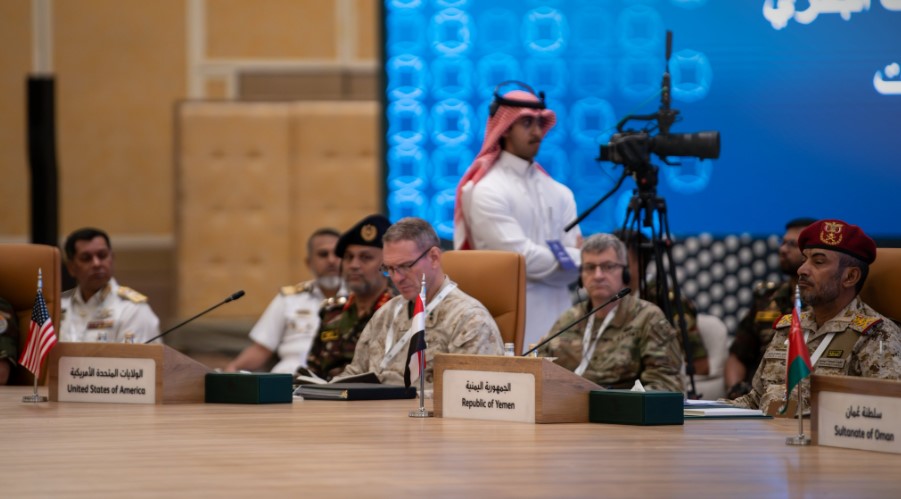
What to Watch: 14 participating nations issued a joint statement reaffirming their support for the proposed multinational defensive maritime coalition and welcoming the consensus achieved regarding its foundational arrangements:
- Saudi Arabia
- Kuwait
- Bahrain
- Qatar
- Pakistan
- Türkiye
- Egypt
- Jordan
- Yemen
- Bangladesh
- Nigeria
- Sudan
- Djibouti
- Somalia
Other participating nations also affirmed their support for the initiative and are currently finalizing their internal national procedures and approvals required to join the joint statement. The door to accede to this statement will remain open to them and to other interested nations upon the completion of their national processes.
Chokepoints at Risk
Between the Lines: Since the outbreak of the US-Israeli war with Iran on February 28, 2026, critical waterways have come under Iranian-linked attacks, causing widespread disruption to maritime shipping and sending shockwaves across the global economy. These include the Strait of Hormuz, through which a fifth of global oil and gas supplies pass, and the Bab al-Mandab Strait, the strategic gateway to the southern Red Sea.
Iran has blocked shipping through the Strait of Hormuz, while the Iranian-backed Houthi militia has escalated threats around the Bab al-Mandab Strait, declaring a “naval blockade” on Saudi Arabia and targeting its vessels in the Red Sea. Most recently, a drone attack hit two gas vessels at Egypt’s Damietta Port in the Eastern Mediterranean, marking a dangerous expansion of drone threats to key energy hubs and critical maritime corridors.
Riyadh’s Dual Strategy
The Strategy: Saudi Arabia has always championed diplomacy over military force to resolve regional conflicts and establish peace in the Middle East. However, Riyadh stressed that while it does not seek escalation, it will not hesitate to take all necessary measures to safeguard the Kingdom’s sovereignty and protect its citizens and national assets.
The Pivot: Since the outbreak of the recent military tensions, the Kingdom has taken decisive actions to hedge against the fallout of Hormuz closure and maintain the flow of global trade.
- Activating alternative routes via its Red Sea ports.
- Boosting transit services.
- Maintaining uninterrupted shipping line bookings.
- Targeting the Houthi terrorist militia’s military sites from which the attacks against maritime shipping originated.
- Stepping up coordination with key stakeholders such as Egypt, GCC countries, Pakistan, Italy, and the US to safeguard regional maritime and energy security.