Regional Equilibrium: Inside Riyadh’s Multi-Front Push to Avert Wider Conflict

As the Middle East inches closer to a resumption of hostilities between the US and Iran, Saudi Arabia is intensifying diplomatic efforts to prevent the region from descending into disarray.
This active, multi-front diplomatic offensive aligns with Saudi Arabia’s longstanding advocacy for regional stability and security, leveraging its balanced relations with various stakeholders to reach peaceful solutions to conflicts and disputes.
Diplomatic Engagement with Iran
Driving the News: Saudi Foreign Minister Prince Faisal bin Farhan received a phone call from his Iranian counterpart Abbas Araghchi on Thursday, November 5, 2026, according to the Saudi Press Agency (SPA).
The Big Picture: Both foreign ministers discussed the latest regional developments and exchanged views on the progress of ongoing efforts to establish security and stability in the region.
Why It Matters: The Saudi-Iranian talks come at a critical moment for the Middle East and the wider region as uncertainty looms over the ongoing US-Iran negotiations to reach an agreement that ends their war.
A Broader De-escalation Push
State of Play: Prince Faisal bin Farhan spoke with his counterparts from Pakistan and Qatar in separate phone calls on November 4, 2026. Their talks focused on discussing the latest developments in the region and diplomatic efforts aimed at de-escalating tensions and enhancing regional security.
What to Watch: Pakistan and Qatar are two primary mediators in the current negotiations between the US and Iran. Furthermore, Pakistan is a strategic defense partner for the Kingdom and a member of the Makkah Defense Alliance, alongside Saudi Arabia and Türkiye.
Regional Coordination
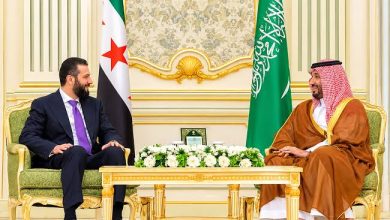
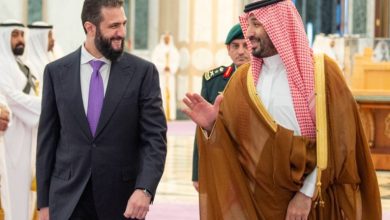
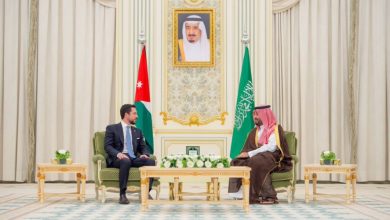
Between the Lines: As an active regional balancer, Riyadh has spearheaded a diplomatic push to enhance coordination with key regional players.
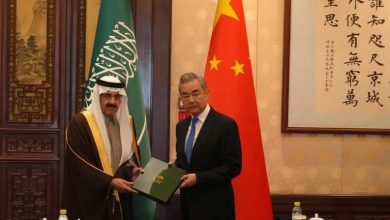
- A Message to Beijing: Saudi Crown Prince and Prime Minister Mohammed bin Salman sent a written message to China’s President Xi Jinping on November 2. The message was handed over by Saudi National Security Advisor Dr. Musaed Al-Aiban to Chinese Foreign Minister Wang Yi in Beijing. China has great economic leverage over Iran and is a key stakeholder in the stability of global maritime routes.
- A High-level Delegation to Tehran: On October 26, Saudi Defense Minister Prince Khalid bin Salman made a historic visit to Iran, alongside Pakistani Army Chief Field Marshal Asim Munir and Turkish Intelligence Chief İbrahim Kalın, representing the Makkah Defense Alliance. Prince Khalid met with Iranian President Masoud Pezeshkian and Secretary-General of the Supreme National Security Council of Iran Mohsen Rezaei. The visit aimed to encourage dialogue and diplomatic solutions to prevent a renewed military escalation in the region.
Safeguarding Regional Security
The Context: The Kingdom has reiterated the importance of coordinating efforts with all countries to ensure peace in the region and the world, emphasizing its support for the mediation efforts undertaken by Qatar and Pakistan.
Zoom In: During its session on November 3, Saudi Arabia’s Cabinet reaffirmed Riyadh’s ongoing diplomatic efforts, in coordination with brotherly and friendly nations, to consolidate the region’s security, safeguard stability, and sustain development and prosperity for its peoples. It also stressed the Kingdom’s unwavering commitment to defending its sovereignty and responding firmly to any threat or aggression targeting its security or the safety of its citizens and residents.
US-Iran Negotiations
The Backstory: Talks between the US and Iran – mediated by Qatar and Pakistan – to reach a comprehensive agreement remain stalled. According to Qatar’s Foreign Ministry Spokesperson Majed al-Ansari, Washington and Tehran were reviewing proposals put forward by mediators. Meanwhile, US President Donald Trump has issued mixed signals, warning of renewed military action against Iran while indicating that he would give negotiations a chance.
The Bottom Line: By engaging with the US, Iran, mediators, and key regional partners to avert a resumption of conflict, Saudi Arabia adopts a multi-layered approach that positions it as a central driver of long-term stability.