
A Royal Meeting in Riyadh: How Saudi Arabia, Jordan Unite for Gulf-Levant Security

From the Levant to the Gulf, the ongoing geopolitical tensions have taken their toll on the region’s stability, posing grave threats to national security and regional peace.
Amid this heightened volatility, Saudi Arabia and Jordan are joining forces to stand up to these threats, unifying their stances to safeguard national sovereignty and protect critical maritime corridors and global trade routes.
Two Crown Princes Aligned
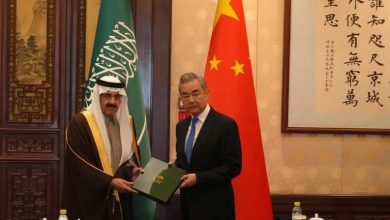
Driving the News: In a high-level summit in Riyadh, Saudi Crown Prince and Prime Minister Mohammed bin Salman met with Jordan’s Crown Prince Al Hussein bin Abdullah II on Monday, November 2, 2026.
The Big Picture: The Jordanian Crown Prince conveyed the greetings of King Abdullah II to the Saudi leadership. The two royals reviewed Saudi-Jordanian historical ties, underscoring their shared commitment to deepening cooperation across various fields. Furthermore, they emphasized the need to foster sustained coordination and consultation to advance mutual interests and champion Arab and Muslim causes.

What to Watch: The meeting was attended by senior-level delegations from both countries. From the Saudi side, Deputy Governor of Riyadh Prince Mohammed bin Abdulrahman bin Abdulaziz, Foreign Minister Prince Faisal bin Farhan bin Abdullah, and Minister of State and Cabinet Member Khalid bin Abdulrahman Al-Issa were present. The Jordanian side saw the attendance of Deputy Prime Minister and Minister of Foreign Affairs and Expatriates Ayman Safadi, Chairman of the Joint Chiefs of Staff Maj. Gen. Majdi Al-Harasis, and Director of the Crown Prince’s Office Dr. Zaid Baqain.
Gulf-Levant Solidarity
State of Play: Jordan’s Crown Prince Al Hussein voiced his strong condemnation of the Houthi attacks on Saudi Arabia, reaffirming Amman’s full solidarity with Riyadh against any threats to its security and the safety of its citizens and residents.
Unwavering Support: The Jordanian Crown Prince also expressed full support for the measures Saudi Arabia takes to protect its assets and resources, stressing that the Kingdom’s security is inseparable from Jordan’s, and that the security of the Gulf states is vital to the stability of the region.

Eliminating the Threat
The Backstory: Since July 2026, the Iranian-backed Houthi militia has escalated its attacks on Saudi civilian and energy infrastructure with drones and missiles across Riyadh, Taif, Abha, Jeddah, Yanbu, Khamis Mushait, Jazan, and Najran. The militia has also targeted Saudi Arabia’s airports, including King Khalid International Airport in Riyadh, King Fahd Airport in Dammam, as well as Abha, Jazan, and Najran airports, killing dozens of civilians and injuring hundreds. Moreover, the Houthis have attempted to target Makkah and Madinah, the two holiest cities in Islam.
Deterrence in Play: Saudi Arabia’s air defense systems continue to demonstrate exceptional operational readiness and high efficiency in neutralizing aerial threats. Through its leadership of the Coalition to Restore Legitimacy in Yemen, the Kingdom remains committed to supporting the internationally recognized Yemeni government and restoring regional stability against non-state security risks.
The Red Sea Corridor: A Common Concern
The Context: The Iranian-backed Houthi militia has escalated threats to commercial shipping in the Red Sea, disrupting freedom of navigation and maritime shipping in this global trade artery, which handles 10% to 15% of all global trade annually.
Why It Matters: For Riyadh and Amman, Red Sea maritime security is directly linked to national stability and economic resilience. Securing this critical sea lane ensures global energy supply continuity, protects critical coastal infrastructure from asymmetric drone and missile threats, and preserves the stability necessary to realize both countries’ modernization programs.
- For Saudi Arabia: The Red Sea coastline is home to major commercial ports, industrial hubs, and megaprojects such as Jeddah Islamic Port, Yanbu, and NEOM.
- For Jordan: The Red Sea and the Port of Aqaba is an indispensable economic lifeline that protects national supply chains, trade routes, and Jordan’s Economic Modernization Vision.
The Takeaway: The high-level meeting in Riyadh underscores that the Saudi-Jordanian alliance is an indispensable pillar of Middle Eastern security. By combining political solidarity, joint military coordination, and a shared commitment to Red Sea maritime safety, Saudi Arabia and Jordan demonstrate a resilient Gulf-Levant security axis capable of deterring cross-border threats and insulating both nations’ economic modernization programs from broader regional volatility.