

Circular Economy: Saudi Arabia Unlocks New Value in Desalination Byproducts

The search for more sustainable uses of industrial resources is opening new possibilities for Saudi Arabia’s desalination sector.
The Saudi Water Authority, through the Water Technologies Innovation Institute and Research Advancements (WTIIRA), is developing a project that uses desalination brine and carbon dioxide emissions to cultivate microalgae.
This approach turns materials associated with the desalination process into potential sources of economic value.
Expanding Microalgae Applications
The planned production extends across several sectors, demonstrating the range of applications that microalgae-based technologies could offer.
More boldly, the project aims to produce 60 tons of microalgae annually for animal and fish feed, 8,000 cubic meters of biofertilizer, and 20 kilograms of materials for pharmaceutical and cosmetic uses.
These targets also highlight an approach that moves beyond conventional desalination outputs toward a more diversified portfolio of bio-based products with potential industrial and economic value.
Putting Microalgae to the Test
To assess the viability of microalgae production, WTIIRA is developing both open and closed cultivation systems, while examining their operational efficiency and capacity to use desalination brine and carbon dioxide as production inputs.
This research is crucial to determining how industrial byproducts can be incorporated into new production processes, supporting efforts to reduce carbon emissions and improve resource efficiency.
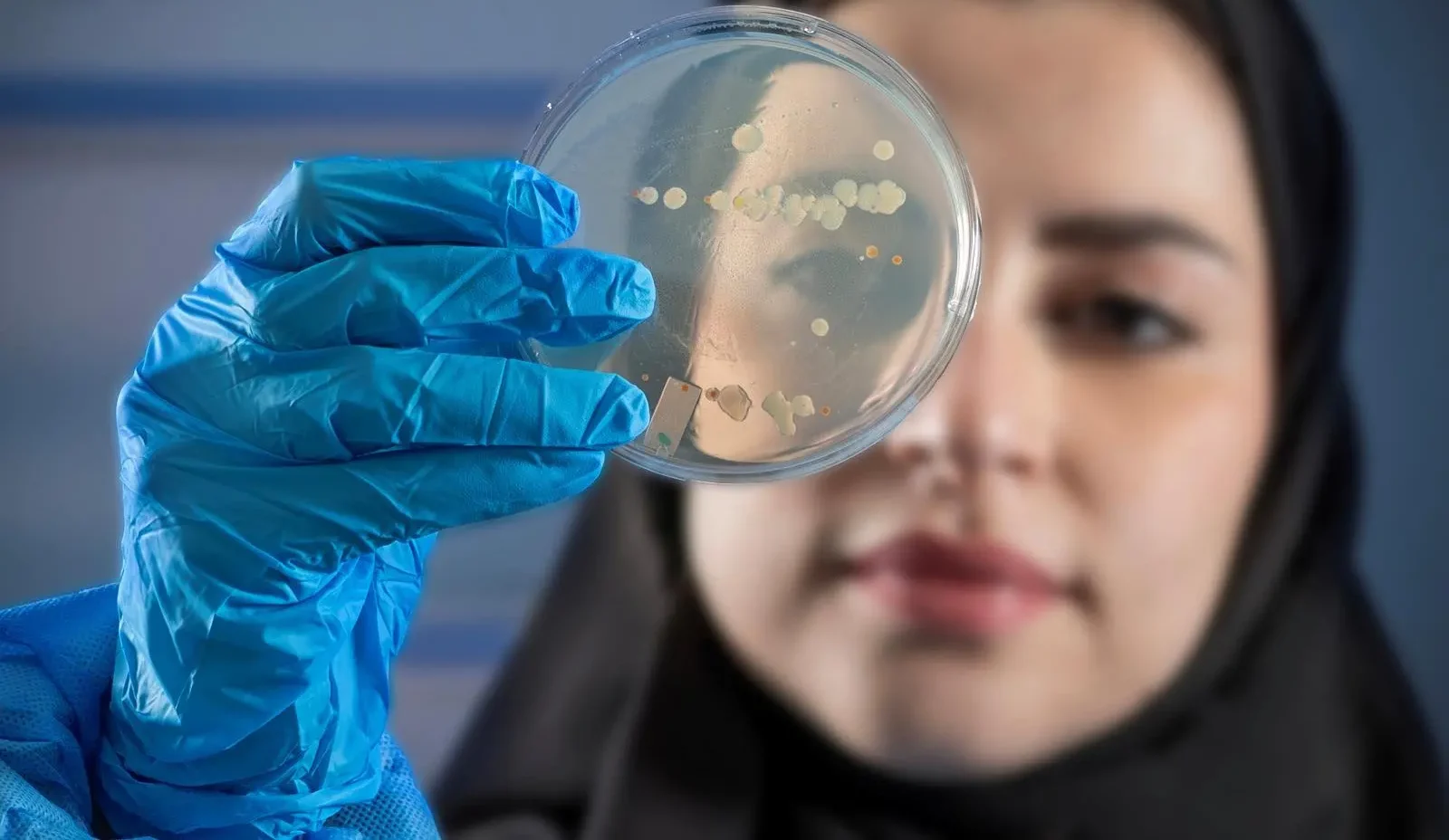
The Saudi Water Authority is preparing to establish an integrated cultivation environment at the Water Innovation Oasis in Rabigh, where researchers will assess the technology’s operational performance and economic viability.
The assessment will help identify opportunities to increase production capacity and explore its potential for wider industrial adoption.
Turning Waste into Opportunity
The initiative also highlights the potential of applying circular economy principles to the desalination sector, where industrial byproducts can serve as inputs for new production processes instead of being treated solely as waste.
Through the development of technologies that recover their economic value, the Saudi Water Authority seeks to encourage local bio-based industries, create investment opportunities, and promote more efficient resource use.
These priorities align perfectly with Saudi Vision 2030‘s broader sustainability and economic diversification objectives.
A Legacy of Innovation
The Water Technologies Innovation Institute and Research Advancements (WTIIRA) began its work in Al-Jubail in 1987 to address the growing demand for advanced water-sector solutions as the industry expanded and its challenges became increasingly complex.
Over the years, the institute has developed specialized research infrastructure and advanced facilities, positioning it as a contributor to the development of water technologies in Saudi Arabia and internationally.
The Saudi Water Authority (SWA) draws on WTIIRA’s research capabilities to support its water-sector facilities and advance technological development. Its research programs focus on combining scientific excellence with practical applications, helping translate innovation into solutions that address the sector’s evolving needs and strengthen the Kingdom’s capabilities in water technologies.
Related Topics:
Saudi Arabia Boosts Water Security as Desalination Output Surges
KAUST Unveils Breakthrough Low-Energy Membrane to Revolutionize Desalination
KAUST Develops Custom Desalination to Address Saudi Arabia’s Agricultural Water Issues