KAUST Gathers 400 Global Experts to Accelerate Saudi Arabia’s AI and Supercomputing Drive
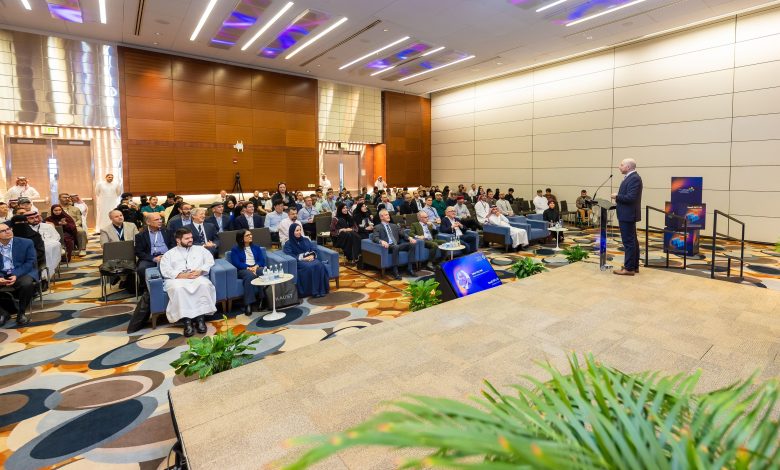
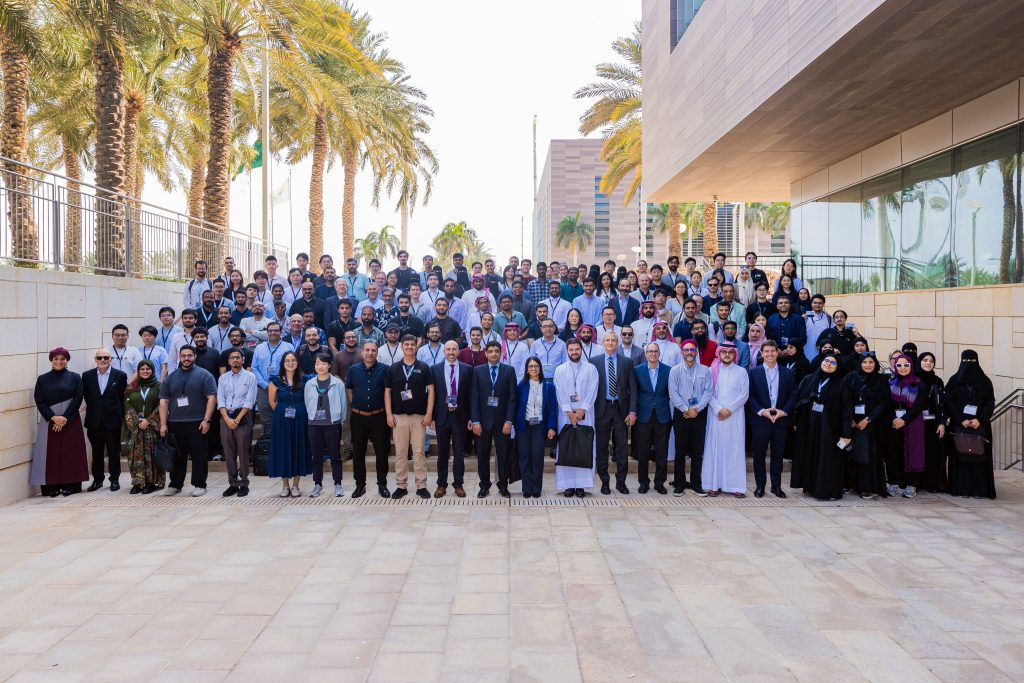
Driving the news: King Abdullah University of Science and Technology (KAUST) hosted the 13th Saudi High-Performance Computing and Artificial Intelligence Conference from 26 to 28 October. About 400 researchers, industry leaders and government representatives attended, alongside international experts.
Why it matters: The event shows how the Kingdom turns raw computing power into scientific results. It also highlights Saudi Arabia’s fast-growing commitment to artificial intelligence (AI).
Computing Meets National Priorities
The conference ran under the theme “The Role of Computing in Accelerating Research, Development, and Innovation.” Delegates explored how high-performance computing (HPC) and AI can support the Kingdom’s research and innovation goals. In addition, they exchanged knowledge, reviewed scientific advances and sought new partnerships.
Sessions covered Saudi Arabia’s four national research, development and innovation priorities. These include health and wellness, a sustainable environment and essential needs, energy and industrial leadership, and the economies of the future. Moreover, KAUST faculty, researchers and experts from academia and industry joined training sessions, keynote talks and panel discussions over three days.
What they said: KAUST President Professor Edward Byrne said HPC and AI can make a real difference in healthcare, energy, environmental sustainability, industry and the digital economy. However, he stressed that turning computing capacity into scientific progress takes careful choices about algorithms, data and software. Researchers must also verify their results. “KAUST is committed to conducting research that combines scientific excellence with practical impact,” he added.
Conference Chair Dr. Saber Feki directs KAUST’s Research Computing Core Labs. He underlined the need to pass HPC and AI expertise to the next generation of scientists. As a result, young researchers can strengthen their work and build their careers.
Shaheen III Driving Deep-Tech Research
Zoom in: Early-stage projects at the conference ran on Shaheen III, KAUST’s GPU-equipped supercomputer. The machine ranks first in the Middle East and 18th globally on the TOP500 list. It carries more than 2,800 Nvidia Grace Hopper superchips. Arabic-language reporting adds that it delivers about three times the processing power of its predecessor.
Planned work on Shaheen III spans several fields. Researchers will develop a new generation of Arabic-focused language models and build a digital twin of the Arabian Peninsula. They will also create a 24/7 robotic chemistry laboratory called AIChemist and train AI models to diagnose rare diseases in the Saudi population.
By the numbers:
- 400: Researchers, industry leaders and officials who attended.
- 3 days: Length of the conference (26-28 Oct., 2026).
- 4: National research, development and innovation priorities on the agenda.
- 13th: Edition of the Saudi HPC/AI conference.
- 1 in the Middle East, No. 18 worldwide: Shaheen III’s TOP500 position.
- 2,800+: Nvidia superchips inside Shaheen III.
- SAR 4.5 billion ($1.2 billion): Financing HUMAIN and the National Infrastructure Fund agreed on for AI and digital infrastructure at Davos in January 2026.
- SAR 37.5 billion ($10 billion): Value of HUMAIN’s agreement with AMD for 500 megawatts of capacity over five years.
- SAR 34.1 billion ($9.1 billion): AI funding the Kingdom attracted in 2024.
- 14: Saudi Arabia’s rank in the 2025 Global AI Index.
- 48: KAUST’s place among more than 1,600 institutions in the Times Higher Education Impact Rankings 2026.
Saudi Arabia’s AI Drive Gathers Speed
The big picture: Saudi Arabia designated 2026 as the Year of Artificial Intelligence. The goal is to spread AI across government, industry and education. The conference fits neatly into that agenda.
HUMAIN anchors the national push. The Public Investment Fund launched the company in May 2025 under the chairmanship of Crown Prince Mohammed bin Salman. It now builds data centers, trains Arabic AI models and signs global partnerships. HUMAIN and xAI announced a plan in November 2025 to build a 500-megawatt data center in the Kingdom. Meanwhile, the company targets 6 gigawatts of capacity by 2034.
HUMAIN’s chief executive, Tareq Amin, has set an even bolder ambition. He says the Kingdom has the resources to become a global AI powerhouse. Therefore, the supercomputing talent that KAUST trains matters as much as the chips and buildings.
KAUST’s Record of Achievement
KAUST has built its supercomputing record step by step. Shaheen I launched in 2009, and Shaheen II ran 25 times faster than its predecessor, delivering 6.8 billion core hours to more than 1,467 users and fed about 1,030 publications. Shaheen III now extends that legacy.
Global rankings confirm the momentum. KAUST topped the Times Higher Education Arab University Rankings for a third consecutive year. In 2026, it also broke into the world’s top 50 for the first time in the Impact Rankings. These results show that Saudi research can compete with the best institutions worldwide.
What’s next: Early projects on Shaheen III’s GPUs signal more AI-driven research to come. Researchers will now test new ideas in health, energy, climate and the digital economy. Furthermore, the conference gave participants a platform to build partnerships that can turn those ideas into real-world results.