Defending the Seas: Inside the Saudi-Led Maritime Coalition to Secure Trade Routes
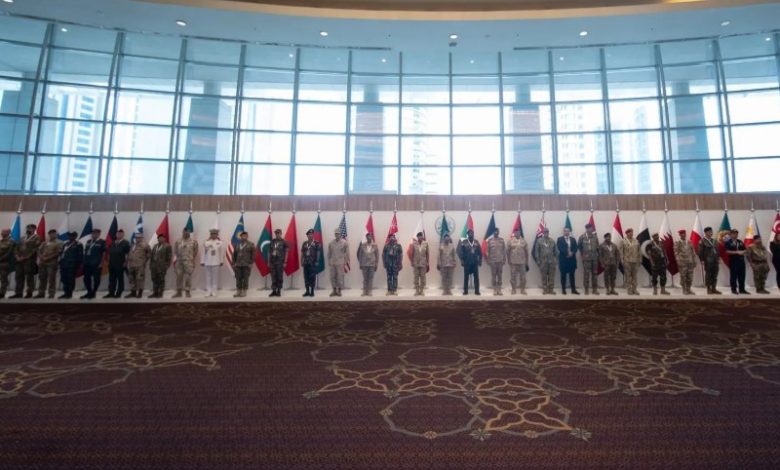
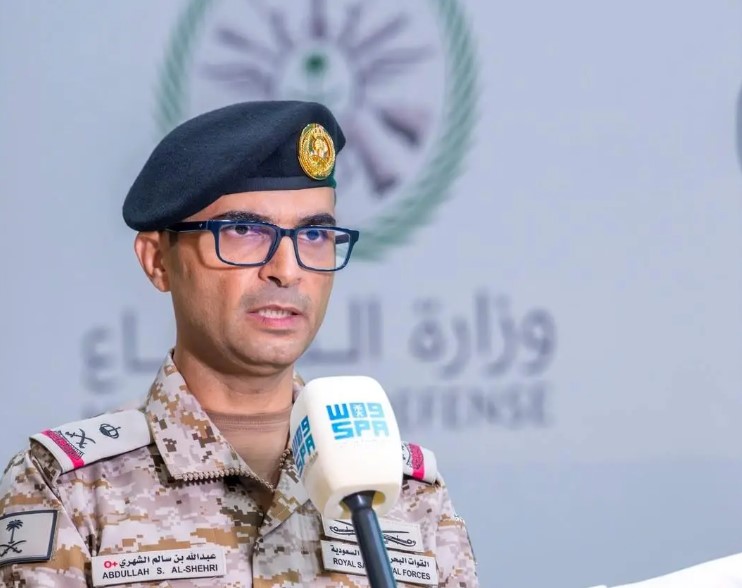
The Saudi-led Multinational Maritime Defense Coalition is rapidly taking shape, following the appointment of Rear Admiral Abdullah bin Salem Alshehri as Commander.
The move crystallizes the coalition’s institutional structure and reinforces its operational readiness, solidifying Saudi Arabia’s broader efforts to safeguard maritime security, guarantee freedom of navigation, and protect international trade routes.
Procedures in Full Swing
The Big Picture: The appointment of the coalition’s Commander marks a major step towards transitioning the coalition from a high-level diplomatic agreement to a functional body with clear chain-of-command authority to perform its mandated tasks.
Core Responsibilities:
- Lead joint maritime defense operations in accordance with the coalition’s charter and governing procedures.
- Oversee operational planning and coordinate activities among member states and partner maritime coalitions.
- Supervise the execution of all joint programs and tactical activities.
What’s Next: According to the Saudi Defense Ministry, the appointment of the Commander will facilitate the execution of integration milestones:
- Accelerate the setup of joint staff structures and operational command centers.
- Enhance overall readiness to onboard partner forces and integrate their defense assets.
- Roll out key joint initiatives, including information-sharing networks, capability building, advanced training, and multilateral naval exercises.
A Defensive Initiative
Flashback: On July 30, 2026, Saudi Arabia announced the formation of the Multinational Maritime Defense Coalition, with 14 founding members, to address and deter the growing threats to maritime security, including attacks against commercial vessels, energy tankers, and naval infrastructure in the Bab al-Mandab Strait, the Red Sea, and the Gulf of Aden.
What to Watch: According to the Saudi Defense Ministry, additional countries signed the coalition’s Joint Statement while others are finalizing their national procedures to follow suit and formally join as founding states.
State of Play: The coalition will hold a Planners’ Meeting on August 12–13, 2026, to complete the remaining institutional requirements and allow additional countries to sign the Joint Statement and the charter in accordance with the agreed organizational arrangements, paving the way for their formal accession to the coalition.
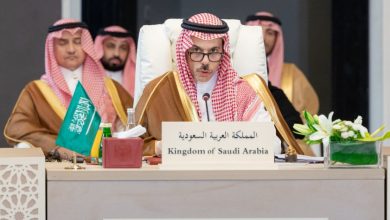
In His Words: “The Kingdom’s hosting of 43 countries at the coalition’s founding meeting is conclusive evidence of broad international consensus that the security of international waterways is a collective responsibility, and that multilateral defense cooperation and continuous coordination are the cornerstone for ensuring freedom of navigation, securing supply chains, and safeguarding energy supplies.” – Rear Admiral Abdullah bin Salem Alshehri, Commander of the Multinational Maritime Defense Coalition, in a statement to the Saudi Press Agency (SPA).
Saudi Arabia: A Maritime Guardian
Between the Lines: Saudi Arabia has been designated as the founding and leading nation of the coalition, with Riyadh serving as the host of its headquarters, Joint Command, command-and-control centers, Joint Maritime Operations Center and General Secretariat.
The Takeaway: Commander Alshehri noted that this underscores Riyadh’s centrality in strengthening regional and international security and its pivotal role in establishing effective coalitions to confront shared maritime threats.
The Strategy: While advocating for de-escalation and regional stability, Riyadh has been decisive in safeguarding the Kingdom’s sovereignty and protecting its citizens and national interests. Since the outbreak of the recent regional tensions, Saudi Arabia has taken bold sovereign measures to enhance the resilience of supply chains, secure the Red Sea corridor, and maintain the uninterrupted flow of global trade:
- Activating alternative routes via its Red Sea ports.
- Boosting transit services.
- Maintaining uninterrupted shipping line bookings.
- Conducting targeted strikes against Houthi military sites responsible for attacking commercial vessels.
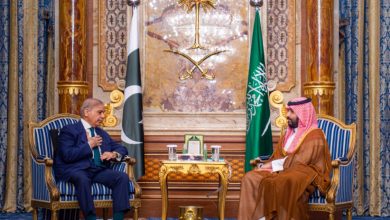
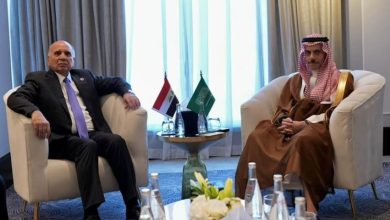
- Stepping up coordination with key stakeholders such as Egypt, GCC countries, Pakistan, Italy, Türkiye, the US, and the EU to safeguard regional maritime and energy security.
Zoom In: The Spokesperson for the Saudi Defense Ministry, Major General Turki Al-Maliki, stressed that every country has the right to take whatever military or political measures it deems necessary to protect its interests and address such threats. He noted that Saudi Arabia has extensive expertise in deterring maritime threats, stemming from the Coalition to Restore Legitimacy in Yemen, through which the Kingdom cultivated a proven track record in eliminating maritime threats, including countering unmanned aerial vehicles, fast boats, and naval mines.
Collective Efforts
Why Now: The Multinational Maritime Defense Coalition is purely defensive in nature and does not target any particular state, organization, or coalition. Its establishment came amid escalating threats to regional maritime trade corridors, following drone attacks against commercial vessels in the Red Sea.
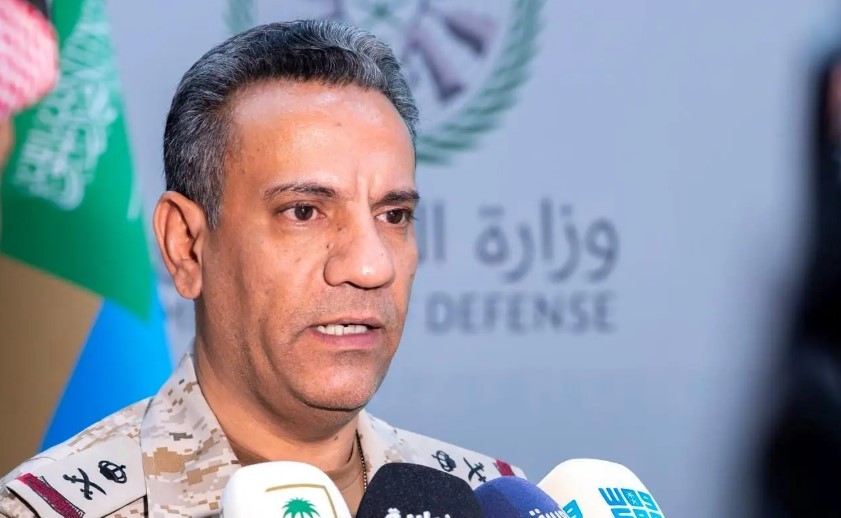
The Context: Maj. Gen. Al-Maliki said that the formation of the coalition underscores a shared international understanding of the scale of threats to maritime security and freedom of navigation. He also highlighted ongoing coordination among the Red Sea littoral countries to boost the security of maritime routes and protect shared interests.
What He Said: “Maintaining maritime security is a collective responsibility that is not limited to coastal states, but extends to all countries that benefit from the security and stability of maritime routes.” – Major General Turki Al-Maliki, Saudi Defense Ministry’s Spokesperson.