The Red Sea Gateway: Saudi Logistics Network Offers GCC Economic Lifeline
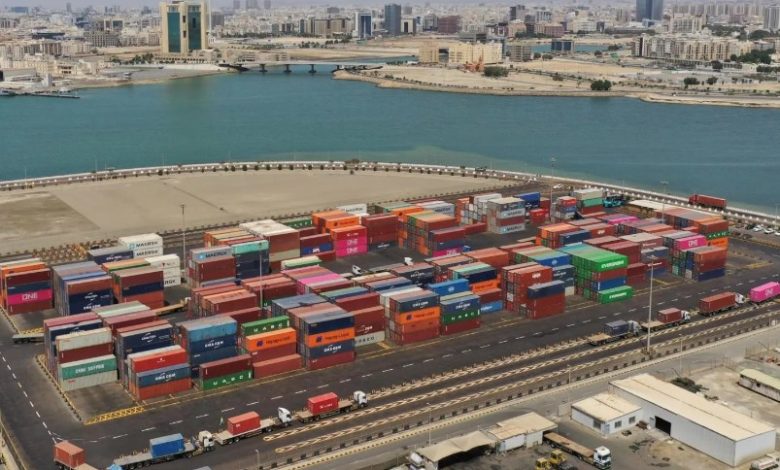
Since the outbreak of regional military tensions, Saudi Arabia has emerged as the Gulf’s indispensable logistics anchor and energy security hub, providing seamless overland connectivity and a vital gateway to the Red Sea.
In light of this, Kuwait is in discussions with Saudi Arabia and other Arab countries for a joint crude pipeline project to bypass the Strait of Hormuz.
The Red Sea Bridge
Driving the News: Kuwait is considering a new crude pipeline project to bypass the Strait of Hormuz, Kuwaiti Minister of Oil Tariq Sulaiman Al-Roumi told Kyodo News.
The Big Picture: Due to Iran’s closure of Hormuz, Kuwaiti oil exports have “completely stopped.” As a result, Kuwait is holding talks with Saudi Arabia and other countries to establish an alternative route for its exports. According to Al-Roumi, one proposed route would connect Kuwait via Saudi Arabia to the Red Sea or Oman, while another would link Kuwait to the UAE port of Fujairah.
What He Said: “We are currently looking for the best and most cost-effective option.” – Tariq Sulaiman Al-Roumi, Kuwait’s Oil Minister.
Why Saudi Arabia?
The Anchor: Saudi Arabia boasts a strategic geographic location, spanning from the Arabian Gulf to the Red Sea. Positioned at the nexus of three continents, the Kingdom provides Gulf nations with an overland route directly to the Red Sea, opening access to the Suez Canal and Western markets.
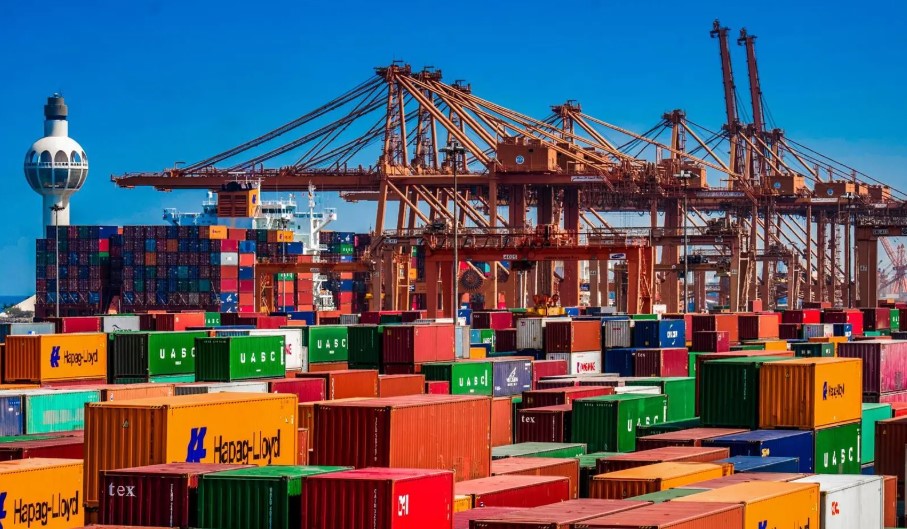
Flashback: Since the eruption of the US-Iran conflict in late February 2026, the Strait of Hormuz – through which around a fifth of daily global oil and LNG supplies pass – has become a key flashpoint. Iran has blocked the waterway, disrupting the flow of goods, essential commodities, energy exports, and aid supplies, while sending shockwaves across global markets.
State of Play: In response to the ongoing tensions, Saudi Arabia has actively mitigated shipping disruptions by enhancing maritime connectivity and supporting supply chain resilience through the Red Sea, providing a lifeline for global markets.
Robust Logistics Infrastructure
The Strategy: In line with the National Transport and Logistics Strategy (NTLS) and the objectives of Saudi Vision 2030, the Kingdom has committed to strengthening its logistics infrastructure, securing global trade routes, and boosting connectivity to position itself as a global logistics hub.
East-West Pipeline
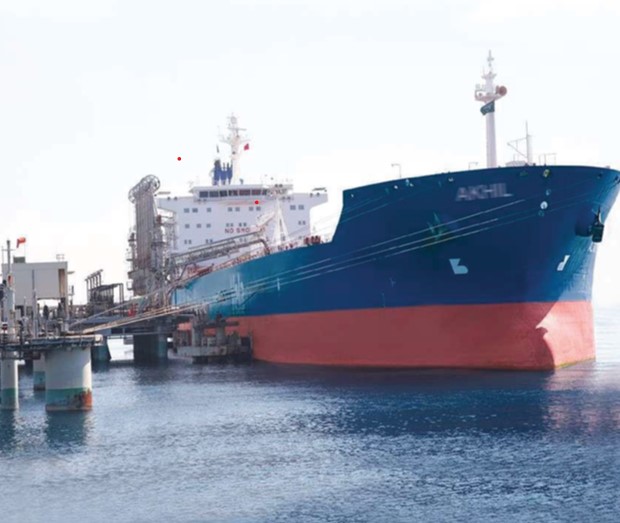
The East-West Crude Oil Pipeline, also known as Petroline, is a 1,200-km-long pipeline that runs from the Abqaiq oilfield in the Eastern Province to Yanbu along the Red Sea coast.
The Kingdom leveraged the East-West Pipeline to maximum capacity in the first quarter of 2026, driving substantial gains.
By the Numbers:
- 7 million: Barrels per day moved through the East-West Pipeline in Q1 2026.
- 100%: Operational capacity reached.
- 25%: Year-on-year jump in Aramco’s Q1 net income.
Saudi Landbridge Project
The Saudi Landbridge project is a 1,500-kilometer railway network designed to connect the Jeddah Islamic Port on the Red Sea to the ports of Dammam and Jubail on the Arabian Gulf, passing through Riyadh.
By the Numbers:
- $7 billion: The project’s estimated cost.
- 5 days: Cargo transit time across the Arabian Peninsula by sea.
- 3 days: Cargo transit time across the Arabian Peninsula by rail.
Logistics Corridors Initiative
In response to the Hormuz blockade, Saudi Arabia launched the “Logistics Corridors Initiative” to reroute shipping from ports in the Eastern Region and across the Arabian Gulf toward Jeddah Islamic Port and other Red Sea facilities to maintain the continued flow of trade.
Multimodal Land Bridge
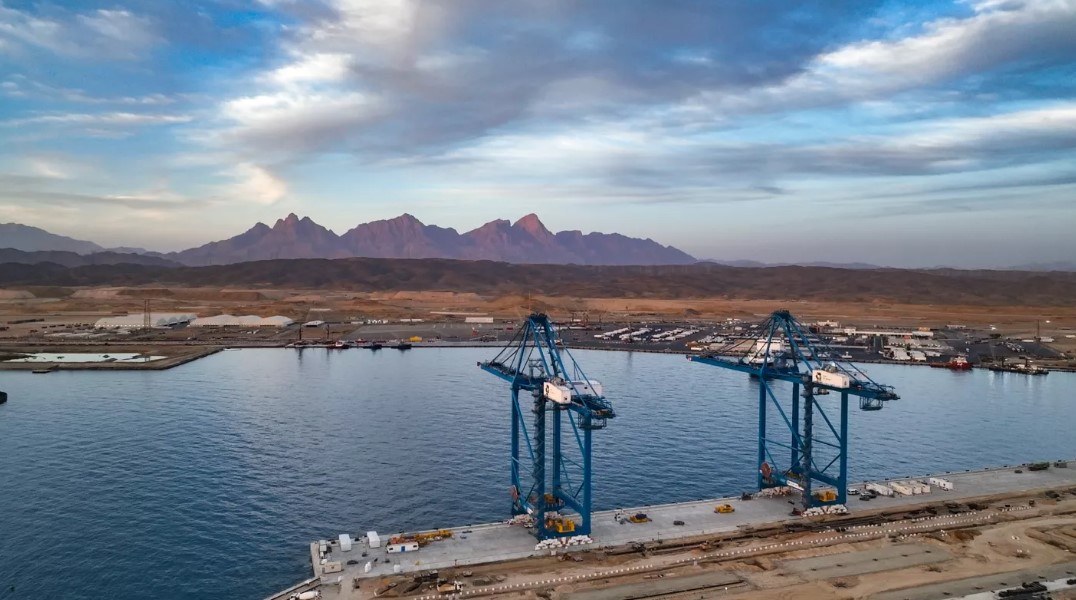
The Kingdom also launched a new multimodal land bridge connecting Europe, Egypt, Saudi Arabia, Iraq and the Gulf Cooperation Council (GCC) countries through the Port of NEOM.
Maritime Services
Saudi Arabia has introduced new maritime services and shipping lines to its Red Sea ports to maintain global supply chain continuity and enhance maritime connectivity. These include launching over 19 new services at the Jeddah Islamic Port, King Abdulaziz Port in Dammam, King Abdullah Port, and Yanbu Commercial Port.
Saudi-Kuwait Integration
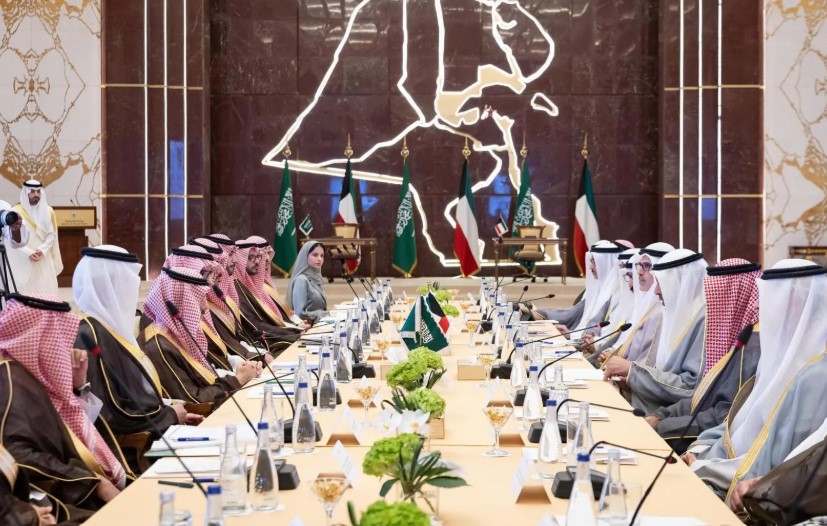
Between the Lines: Saudi Arabia and Kuwait are deepening their infrastructural alignment beyond energy. Key advances include a digital customs data link to streamline border trade and a collaborative railway project set for completion before the end of 2026.
The Details:
- Digital Customs Linkage: Standardized data exchange now allows pre-arrival customs processing at Al-Khafji and Al-Ruqai border crossings, cutting data duplication and accelerating truck clearance times.
- Saudi-Kuwait Railway Collaboration: Guided by the Saudi-Kuwaiti Coordination Council, Saudi Arabia has shared its regulatory frameworks and completed three of five major milestones to keep the rail system on track for 2026 completion.
Zoom In: Saudi Arabia has explored ways to enhance land connectivity by expanding regional land networks. One bold initiative is the revival of the historic Hejaz Railway – a pivotal transport corridor that connects Europe to the Gulf region through Türkiye and Syria.
The Bottom Line: Beyond its centrality as an energy supplier, Saudi Arabia is an indispensable logistics backbone to the entire Gulf region.