The civil nuclear cooperation agreement between Saudi Arabia and the United States is poised to reshape the bilateral partnership, extending its impact far beyond nuclear power generation.
Instead of only concentrating on the construction of reactors, the agreement is anticipated to accelerate the localization of high-value industries, nurture a new generation of specialized talent, and foster collaboration in state-of-the-art technologies.
Can One Deal Redefine Saudi Arabia’s Economic Future?
Analysts told Asharq Al-Awsat that the deal could become a powerful catalyst for industrial expansion and technology investment across the Kingdom, strengthening Saudi Arabia’s agenda to diversify its energy portfolio, cut oil dependency, and transition toward a knowledge-based economy.
However, its implications reach far beyond economic transformation into the strategic and geopolitical arena, as global competition for leadership in civil nuclear technology intensifies.
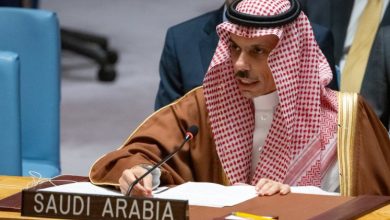
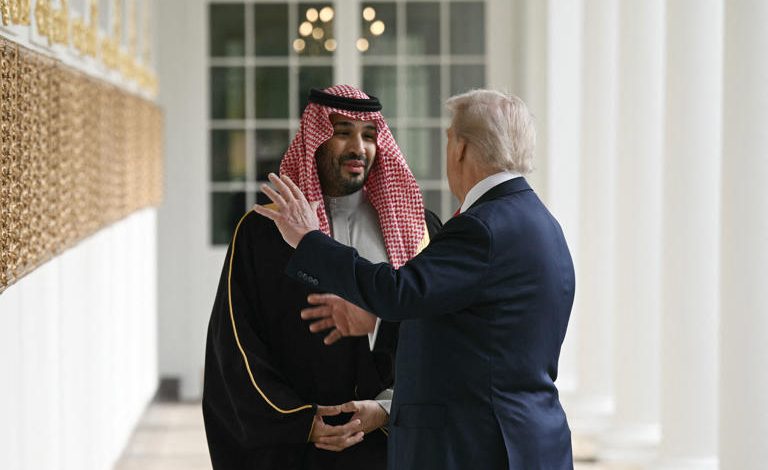
Saudi Energy Minister Prince Abdulaziz bin Salman and US Energy Secretary Chris Wright signed a landmark civil nuclear cooperation agreement, commonly known as a “123 Agreement”, alongside a bilateral safeguards agreement on July 22.
Together, the deals set the legal foundation for a multibillion-dollar partnership expected to last for decades. According to the US Department of Energy, the agreements open the door for American companies to play a pivotal role in supporting Saudi Arabia’s ambitious nuclear energy program.
What Makes the Agreement a Strategic Milestone?
Commenting on the significance of these bold deals, Abbas Dahouk, a former military affairs adviser at the US Department of State, described the agreement as a remarkable strategic milestone in Saudi-US relations, noting that it boosts long-term cooperation in advanced technologies while solidifying energy security.
From Dahouk’s perspective, the deal could attract billions of dollars in investment, create a new generation of highly skilled jobs, and accelerate Saudi Vision 2030‘s drive toward a diversified, knowledge-based economy.
By enhancing peaceful nuclear cooperation, the agreement could unleash new possibilities in water desalination, healthcare, scientific research, agriculture, and advanced manufacturing, while helping cultivate the specialized engineering, scientific, and technological talent needed to power the Kingdom’s future.
Dahouk stressed that these opportunities perfectly align with Saudi Arabia’s National Atomic Energy Project, which seeks to integrate nuclear power into the Kingdom’s energy mix to produce electricity, desalinated water, and thermal energy while cutting dependency on hydrocarbons for power generation.
Remarkably, the ambitious program is based on four strategic pillars: large-scale nuclear power plants, small modular reactors, the nuclear fuel cycle, and a comprehensive regulatory framework.
A Blueprint for the Future
For Dahouk, the agreement is not simply a long-term energy partnership; it is a blueprint for decades of Saudi-US collaboration across technology, education, industrial development, and energy.
He emphasized that it would accelerate the localization of advanced manufacturing, precision engineering, and other high-value industries.
Moreover, the ripple effects could extend well beyond the nuclear sector. The agreement comes at a pivotal moment as Saudi Arabia accelerates efforts to build expertise in nuclear science and related technologies, creating new opportunities for emerging industries such as space, advanced materials, artificial intelligence, and next-generation energy systems.
In this way, it could reinforce the Kingdom’s ambition to establish itself as a regional hub for innovation and technological advancement.
Can Nuclear Cooperation Strengthen Regional Stability?
Coinciding with intensifying strategic competition among the United States, China, and Russia in advanced technologies and the global energy landscape, the agreement carries implications that extend well beyond its civilian nuclear objectives, Dahouk said.
Ultimately, he argued, the agreement’s success will be measured not only by its economic the technological returns, but also by its contribution to regional stability and the strengthening of global nuclear nonproliferation efforts.
According to Dahouk, Riyadh views uranium enrichment as far more than an energy issue. Rather, it has more to do with technological sovereignty, industrial development, and strategic autonomy, particularly as the Kingdom makes bold strides to capitalize on its domestic uranium resources and advance its long-term ambitions in the sector.
Reflecting this momentum, Saudi Arabia has already incorporated uranium and thorium exploration into its National Atomic Energy Project to evaluate domestic reserves, strengthen local content, nurture national expertise, and lay the groundwork for securing future fuel supplies for Saudi Arabia’s planned nuclear power reactors.
Related Topics:
Trump Greenlights Saudi Nuclear Deal, Opens Door to Uranium Enrichment: Report
US-Saudi Nuclear Deal Nears Final Review Without Restrictions on Uranium Enrichment
Vietnam, Russia to Sign Energy, Nuclear Deals During PM Visit to Moscow