Elevating the Hajj experience requires continuous development across the services, infrastructure, and operational systems that support millions of pilgrims.
Saudi Arabia is bringing these priorities into focus through the sixth Hajj Conference and Exhibition, reflecting the Kingdom’s broader push to advance pilgrimage services in line with its Vision 2030 objectives.
Early Planning Shapes Better Hajj Services
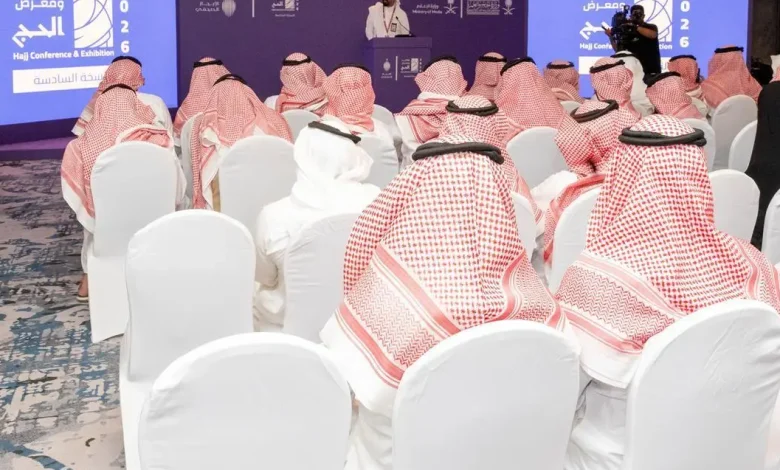
The Ministry of Hajj and Umrah presented the conference’s preparations during a press briefing in Jeddah ahead of its opening on Sunday at Jeddah Superdome.
The event is held under the patronage of the Custodian of the Two Holy Mosques King Salman bin Abdulaziz Al Saud and organized in collaboration with the Pilgrim Experience Program, one of the Vision 2030 realization programs.
Early preparation is central to improving the services provided during Hajj, requiring cooperation between the various institutions and organizations involved in the pilgrimage.
The conference creates a vital platform for discussing operational priorities and turning identified needs into coordinated solutions.
Assistant Deputy Minister for International Relations and Ministry Spokesperson Dr. Ghassan Alnwaimi labeled it as a key milestone in preparations for the upcoming Hajj season, bringing together government entities, Hajj affairs offices, service providers, companies, and specialists to develop partnerships and finalize arrangements and contracts.
How Can Global Expertise Improve Hajj Services?
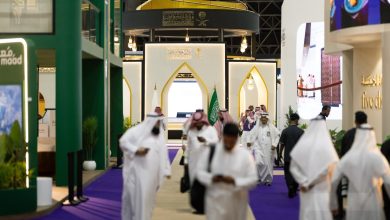
With participation from more than 150 countries, the sixth Hajj Conference and Exhibition provides an international platform for exchanging expertise and exploring solutions to the evolving needs of pilgrimage services.
More than 520 government, private-sector, and nonprofit entities are taking part in the event, which covers over 67,000 square meters and features more than 15 main zones and programs.
More tellingly, the conference’s scientific program is organized around infrastructure and operational services, empowerment and integration, and development and sustainability.
Together, these themes underscore the importance of blending operational improvements with stronger institutional cooperation and sustainable approaches to service development.
Alongside the Hajj Council and accompanying exhibition, the event features programs supporting innovation and startups.
It also introduces the Awareness and Training Forum under the theme “From Awareness to Empowerment,” focusing on the development of awareness tools, training programs, and staff preparedness.
Global Partnerships Advance Hajj Services
The conference’s previous editions have demonstrated the scale of engagement surrounding efforts to develop Hajj services.
According to Alnwaimi, the first five editions recorded more than 1,850 service agreements, over 310 sessions, and 250 workshops, attracting more than 570,000 visitors.
However, the significance of these gatherings lies not only in the exchange of ideas but also in their ability to translate discussions into tangible outcomes.
Alnwaimi emphasized that the conference seeks to turn agreements into contracts, action plans, and practical solutions that contribute to improving pilgrims’ experiences.
This objective is vividly reflected in this year’s theme, “From Makkah to the World,” which highlights Saudi Arabia’s accumulated expertise in organizing Hajj and Umrah, managing crowds, developing services, and adopting technology and innovation.
It also spotlights the potential to extend this expertise through international partnerships and knowledge exchange.
Related Topics:
Hajj Conference and Exhibition Advances Preparations for Hajj 1448
Ministry of Hajj and Umrah Launches Crowd Engineering Documentary
Hajj 2026: Saudi Arabia Welcomes Over 1.7M Pilgrims as Numbers Rise