Trapped in Hormuz: Saudi Arabia Spearheads Push to Protect Seafarers’ Rights
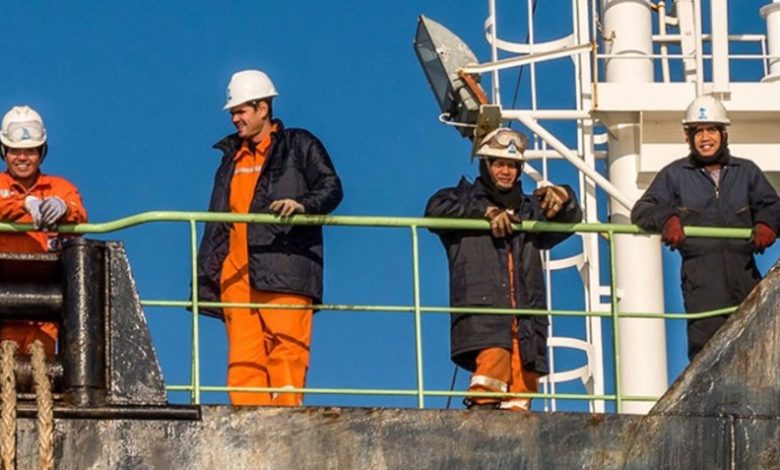
As efforts to address tensions around the Strait of Hormuz remain deadlocked, the world pays a heavy economic and humanitarian price. Since the start of the US-Iran conflict, thousands of seafarers have been caught in the crossfire.
Amid this escalating crisis, Saudi Arabia has emerged as a key advocate for these mariners. Taking to international forums, the Kingdom is championing seafarers’ fundamental human rights, demanding their protection, and calling on the global community to decouple crews from the fallout of geopolitical conflicts.
Trapped Seafarers: The Unseen Victims
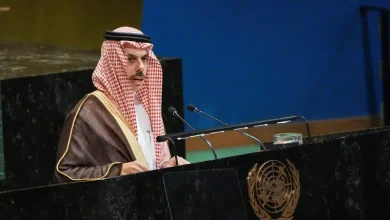
Driving the News: Saudi Arabia’s Permanent Representative to the UN in Geneva Ambassador Abdulmohsen bin Khothaila delivered a speech on behalf of a group of nations representing different regions during the Item 4 General Debate at the 63rd session of the Human Rights Council in Geneva, according to the Saudi Press Agency (SPA).
The Big Picture: In his address, bin Khothaila highlighted the severe humanitarian conditions of seafarers trapped in the Strait of Hormuz, underscoring the need to protect their fundamental rights, including their right to life, health, safety, and dignity, in accordance with international law.
Why It Matters: As the international community mostly focuses on the economic repercussions of shipping disruptions in the Strait of Hormuz, the Saudi representative drew attention to the risks facing those mariners, including attacks on their vessels, which resulted in casualties and injuries. He also highlighted the lack of access to food, potable water, medicine, and fuel.
The Hormuz Dilemma
The Backstory: Since the outbreak of the conflict in late February 2026, the Strait of Hormuz has become a primary flashpoint – used by Iran as a bargaining chip to tip the balance in its favor. Tehran has partially closed the critical waterway, illegally blocking transit without its permission, deploying naval mines, and attacking commercial vessels. This has led to injuries and fatalities among crews.
Catch Up Quick: The Strait of Hormuz is a strategic maritime chokepoint linking the Arabian Gulf with the Gulf of Oman and the Arabian Sea, through which around a fifth of daily global oil and LNG supplies pass.
By the Numbers: (International Maritime Organization (IMO) data as of September 2026)
- 20,000+: Total seafarers impacted across the region aboard 2,000 vessels.
- 6,000+: Seafarers stranded on 400 vessels in and around the Strait of Hormuz.
- 84: Verified attacks on international shipping.
- 23: Seafarers killed.
Championing Seafarer Rights
State of Play: During his speech, bin Khothaila cited Human Rights Council Resolution 56/18, which classifies seafarers as vulnerable workers needing protection and acknowledges that they bear no responsibility for their situation.
Furthermore, he lauded the efforts of some Gulf Cooperation Council (GCC) countries, which launched humanitarian initiatives focused on search and rescue operations, providing essential supplies and medical aid, offering administrative flexibility, and facilitating crew changes.
What to Watch: The Saudi representative issued an urgent call for states to take action to safeguard seafarers in the Strait of Hormuz, emphasizing that their safety is vital to maintaining secure, unrestricted shipping under international law, such as UNCLOS. This request aligns with growing global appeals to protect merchant ships and crew members navigating the strait.
Saudi Arabia Leading the Way
The Context: Given its strategic location which borders the Red Sea in the west and the Arabian Gulf in the east, Saudi Arabia has been a key champion of maritime security and freedom of navigation in international waterways.
Go Deeper: The Kingdom has actively participated in IMO’s platforms to call for enhanced cooperation among states to ensure the smooth movement of maritime transport and the sustainability of supply chains.
Moreover, Riyadh has voiced strong support for resolutions endorsed by the IMO Council’s Extraordinary Session, which condemn attacks that threaten the security of global trade and stress that the Strait of Hormuz is an international waterway where the right of passage is guaranteed under international law.
The Strategy: With regard to the safety of seafarers, Saudi Arabia sponsored a draft resolution to address threats to maritime safety and the welfare of seafarers, which the Maritime Safety Committee adopted in its 111 session in May 2026.
Translating these commitments into action, the Saudi Ports Authority (Mawani) launched an initiative in March to support impacted vessels by providing water, fuel, food, and urgent medical care, as well as facilitating crew-change operations.
The Transport General Authority (TGA) also issued temporary 30-day renewable waivers on select licensing and regulatory requirements to relieve administrative bottlenecks for commercial ships operating within the Kingdom’s territorial waters in the Arabian Gulf.
The Bottom Line: As a regional stabilizing force, Saudi Arabia has underscored its commitment to safeguarding shipping lanes while protecting seafarers who operate vessels navigating them. Through this approach, the Kingdom balances regional security with human rights and international law.