Trilateral Defense Taking Shape: Pakistani General Leads Makkah Pact Secretariat

The Makkah Joint Defense Agreement, also known as the Makkah Defense Alliance, is taking swift steps towards the execution phase, with the recent appointment of a Pakistani general to lead the General Secretariat in Riyadh.
Amid mounting challenges across the region, the move marks a significant milestone for Saudi Arabia, Türkiye, and Pakistan as they ramp up joint coordination and collective deterrence.
One Step Towards Activation
Driving the News: In a statement on Wednesday, September 23, 2026, the Pakistani Foreign Ministry announced the appointment of Lieutenant General (retired) Nauman Mahmood as the first Secretary-General under the Makkah Joint Defense Agreement.
The Big Picture: Lt. Gen. Mahmood’s term will extend for three years, taking command of the alliance’s Riyadh-based General Secretariat.
Formalizing Collective Deterrence
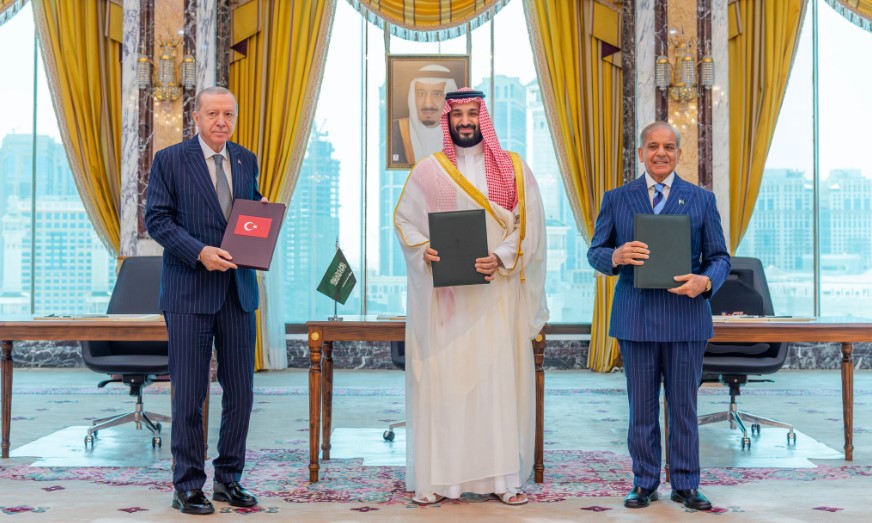
The Backstory: Following a trilateral summit in Makkah on August 7, Saudi Crown Prince and Prime Minister Mohammed bin Salman, Turkish President Recep Tayyip Erdogan, and Pakistani Prime Minister Mohammed Shehbaz Sharif signed the Makkah Joint Defense Agreement.
The Anchor: The Makkah Defense Pact establishes that “any armed attack against any one of the three states shall be regarded as an attack against them all.”
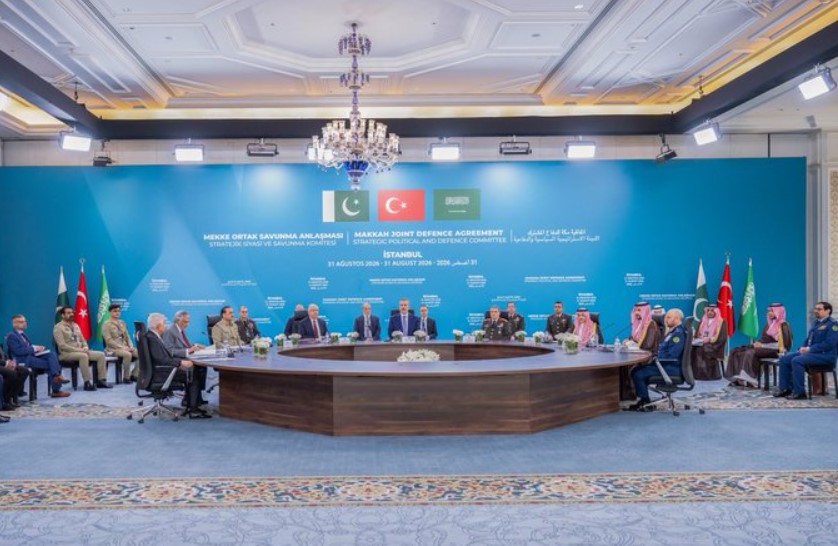
State of Play: During a meeting in Istanbul on August 31, Riyadh, Ankara, and Islamabad agreed to institutionalize cooperation and strengthen collective deterrence and defense by boosting their defense capabilities and the cohesion of their armed forces through robust cooperation in defense industries and the development of joint production and technologies.
A Time of Urgency
The Context: The Makkah Defense Alliance has taken shape amid heightened tensions across the region. Against the backdrop of the US-Iran conflict, which broke out in late February 2026, Iranian-backed militias have escalated their attacks against Saudi Arabia’s civilian and energy infrastructure.
Between the Lines: Following the recent Houthi militia attacks against the Kingdom, including an attempted drone attack targeting the Holy City of Makkah, Türkiye and Pakistan voiced their steadfast support for Saudi Arabia, expressing readiness to back Riyadh militarily under the Makkah Defense Pact.
In Their Words: “I think that situation has already arrived. And if the situation escalates any further, then without any doubt we stand with Saudi Arabia both practically and diplomatically.” – Khawaja Asif, Pakistani Defense Minister.
“Saudi Arabia may need military-level support. As the Makkah Alliance, we will take this up with Pakistan and can provide the necessary technical support.” – Hakan Fidan, Turkish Foreign Minister.
The Trilateral Shield
Zoom In: The Makkah Defense Alliance creates a collective security umbrella, merging the economic power and regional influence of Saudi Arabia, the technological innovation of Türkiye, and the military and nuclear capabilities of Pakistan. Leveraging the strengths of the three nations builds an integrated defense architecture that supports long-term regional stability.
The Pillars of Power:
- Saudi Arabia: Diplomatic and economic anchor leveraging its status as regional stabilizer, G20 economic weight, modernized industrial defense base, and diplomatic leadership.
- Türkiye: NATO’s second-largest military and key Gaza peace mediator acting as industrial and technological engine, providing advanced defense manufacturing (drones, naval, electronic warfare).
- Pakistan: Strategic military power and sole nuclear-armed Muslim nation, offering advanced missile capabilities and counterterrorism expertise, in addition to primary mediation in the US-Iran conflict.
Looking Ahead: Saudi Arabia, Türkiye, and Pakistan stressed that the Makkah Joint Defense Agreement is an open, cooperative security framework designed to stabilize the Middle East through collective deterrence rather than conflict. Egypt and Bangladesh have emerged as potential candidates to join the pact.
Prioritizing Regional Stability
The Catalyst: The three countries emphasized that the Makkah Defense Pact is purely defensive and does not target any particular state, noting that it aims to enhance the effectiveness of collective deterrence and defense as well as promoting regional peace and stability.
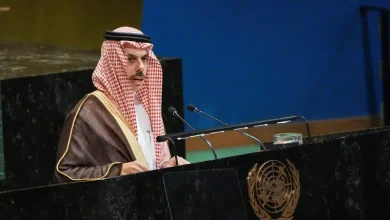
The Deep Dive: On the sidelines of the 81st session of the UN General Assembly (UNGA) in New York, the Foreign Ministers of Saudi Arabia, Türkiye, and Pakistan engaged in parallel diplomatic tracks to boost cooperation and address regional issues.
Saudi Arabia & Pakistan
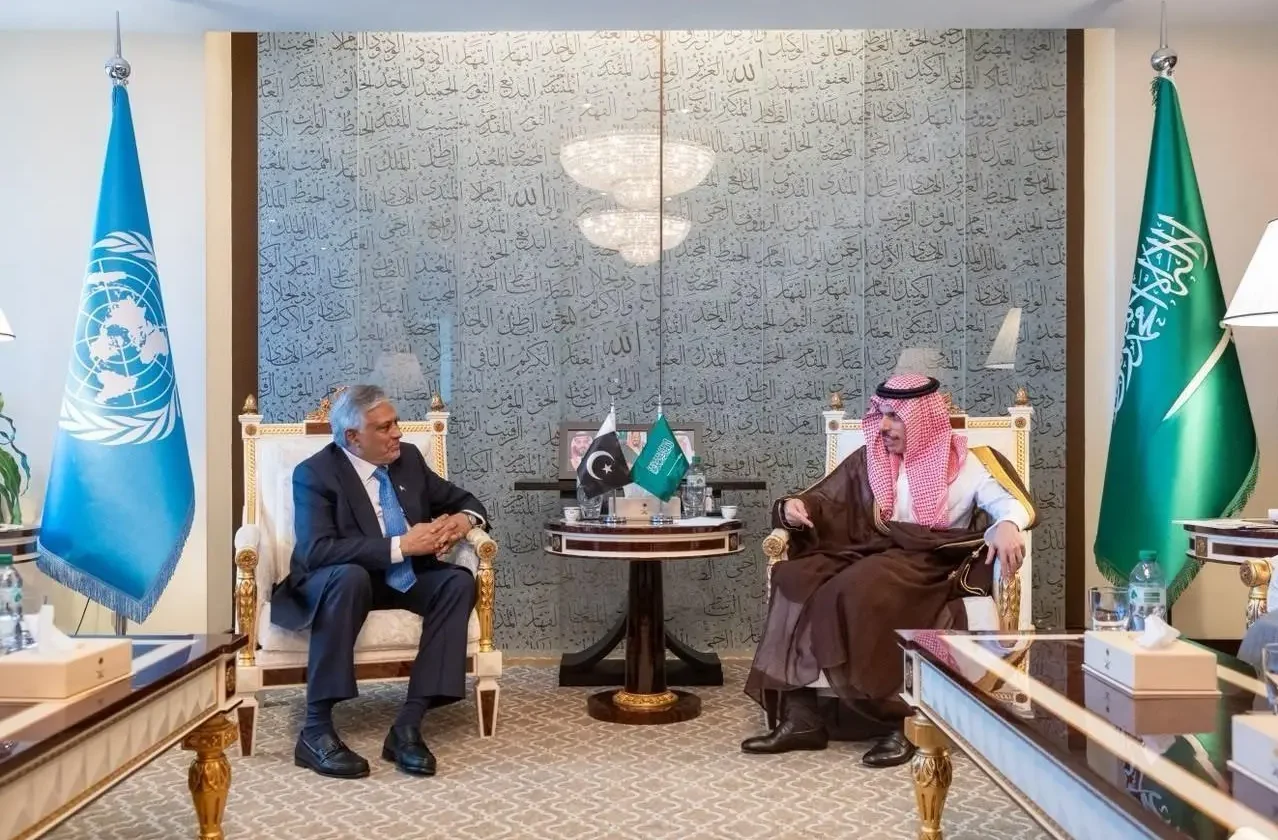
Saudi Foreign Minister Prince Faisal bin Farhan and his Pakistani counterpart Mohammad Ishaq Dar explored bilateral cooperation and discussed the latest regional developments and diplomatic efforts to address them.
The two officials also signed a mutual short-stay visa waiver for diplomatic and special passport holders to streamline travel, enhance coordination, and broaden bilateral cooperation.
Saudi Arabia & Türkiye
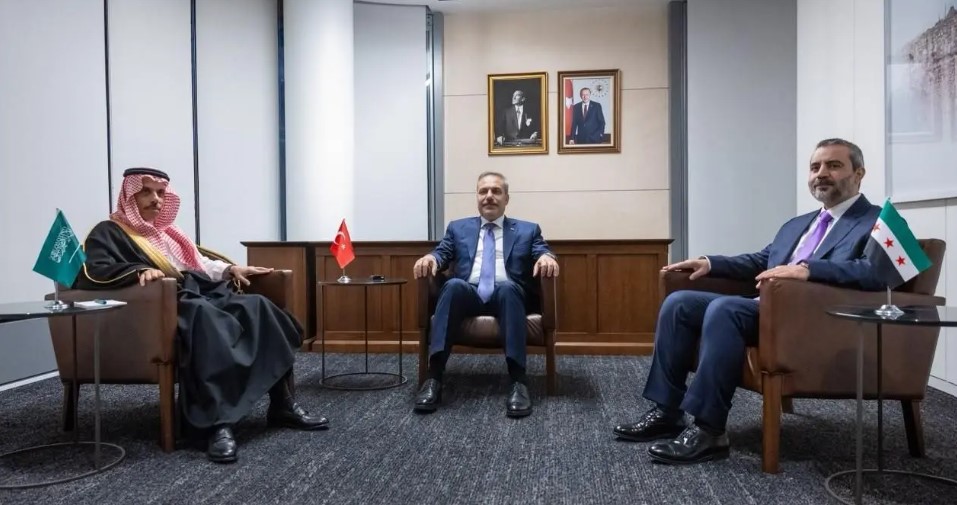
Prince Faisal met with Turkish Foreign Minister Hakan Fidan and Syrian Foreign Minister Asaad Al-Shaibani. During their meeting, they explored ways to enhance joint economic cooperation and discussed avenues for strengthening coordination and consultation to address shared challenges and promote regional security and stability.
The Regional Four
The Foreign Ministers of Saudi Arabia, Türkiye, Pakistan, and Egypt – collectively known as the Regional Four (R-4), held their sixth meeting in New York, during which they discussed ways to bolster coordination to de-escalate tensions in the region, reduce implications of regional crises, and preserve security and stability.

In a joint statement, the four ministers reaffirmed that dialogue and diplomacy remain the only path to a sustainable resolution of regional conflicts. They strongly condemned all attacks against Saudi Arabia, underscoring their unwavering support for the sovereignty and security of the Kingdom as well as its inherent right to defend itself.
The four ministers also reiterated the need to safeguard the safety and freedom of maritime navigation. Moreover, they voiced support for the sovereignty, unity, and legitimate governments of Yemen and Sudan, as well as an independent Palestinian state along 1967 borders. They committed to maintaining close coordination and consultation to strengthen collective security and promote long-term regional stability.
US-Regional Discussions
Prince Faisal bin Farhan and Fidan, alongside regional counterparts, took part in a meeting with US President Donald Trump, during which they addressed the Middle East’s latest developments.

Their discussions focused on the repercussions of the recent escalation on the region’s security and stability, as well as threats to maritime security and freedom of navigation in the Strait of Hormuz and the Bab al-Mandab Strait.
Furthermore, the participants reviewed efforts aimed at de-escalating tensions and preventing the conflict from spiraling across the region. They also explored ways to strengthen political and diplomatic efforts to address ongoing crises.
The Takeaway: Saudi Arabia, Türkiye, and Pakistan remain committed to regional security and stability through synchronized diplomatic and defense tracks. The appointment of Lt. Gen. Nauman Mahmood as Secretary-General signals that the Makkah Defense Pact is rapidly taking shape as an active command structure based in Riyadh.