The Red Sea’s rich marine biodiversity hinges on a delicate ecosystem that requires sustained protection from pollution and human activity.
A Collective Effort Beneath the Surface
Recognizing the significance of preserving this natural environment, hundreds of divers and volunteers have joined a major cleanup campaign at Jeddah Marina, recovering 9.3 tonnes of waste from the seabed.
Remarkably, the scale of the operation reflected the collective effort behind it. A total of 419 registered divers and volunteers carried out more than 300 dives over 64 hours of fieldwork, removing plastics, metals, tires and other discarded materials from the seabed.
Plastic represented the largest share of the recovered waste, with nearly 6,160 kilograms, or 65.7% of the total, diverted from landfills for recycling.
What Does Marine Conservation Require?
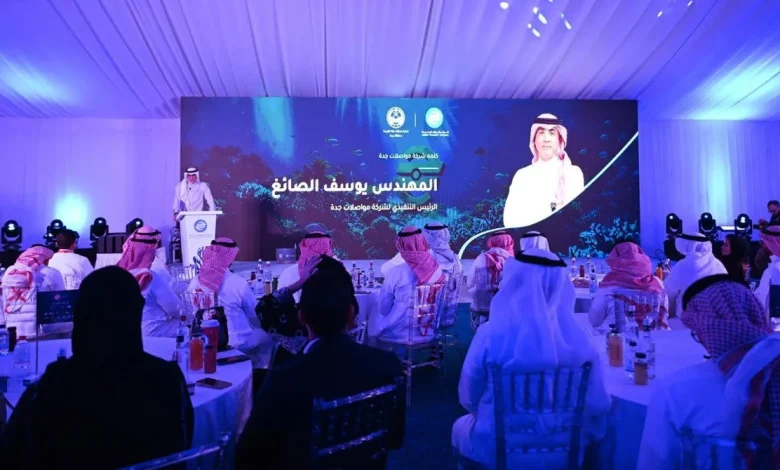
Organized by Jeddah Transport Company, which operates and develops the city’s marinas and water taxi services, the campaign brought together several government entities and specialized diving centers.
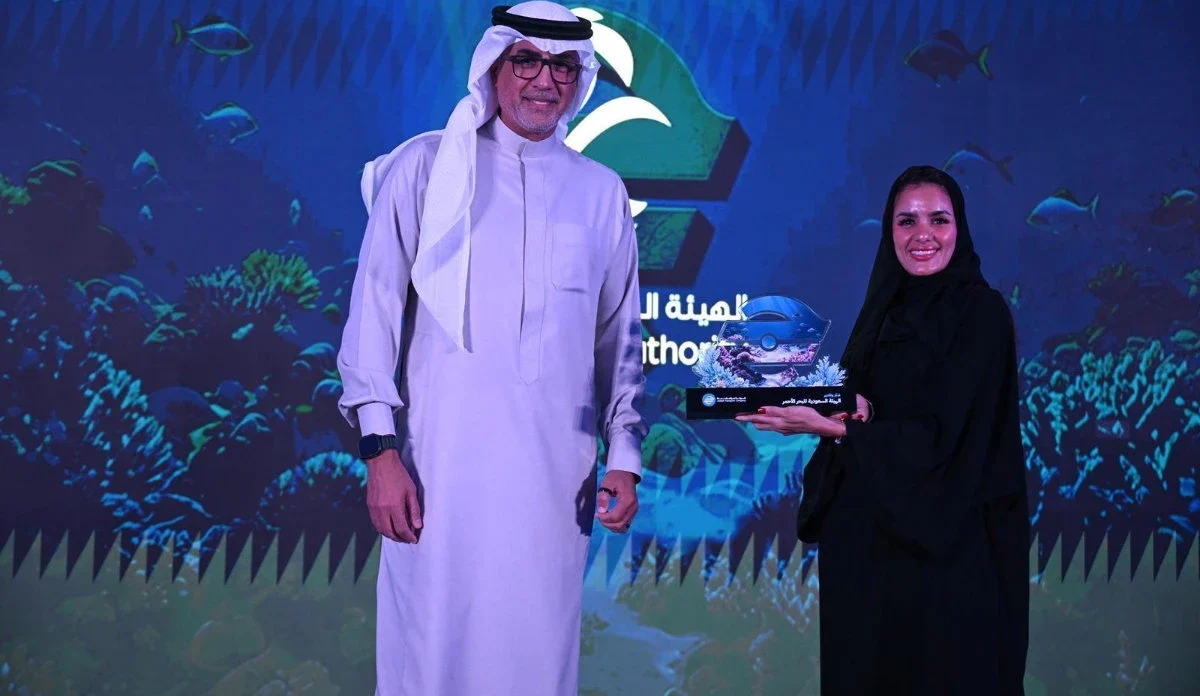
CEO Youssef Al-Sayegh acknowledged the contributions of participants, including representatives from Jeddah Municipality, the Saudi Red Sea Authority, the Ministry of Sport, the National Center for Environmental Compliance and 10 diving centers.
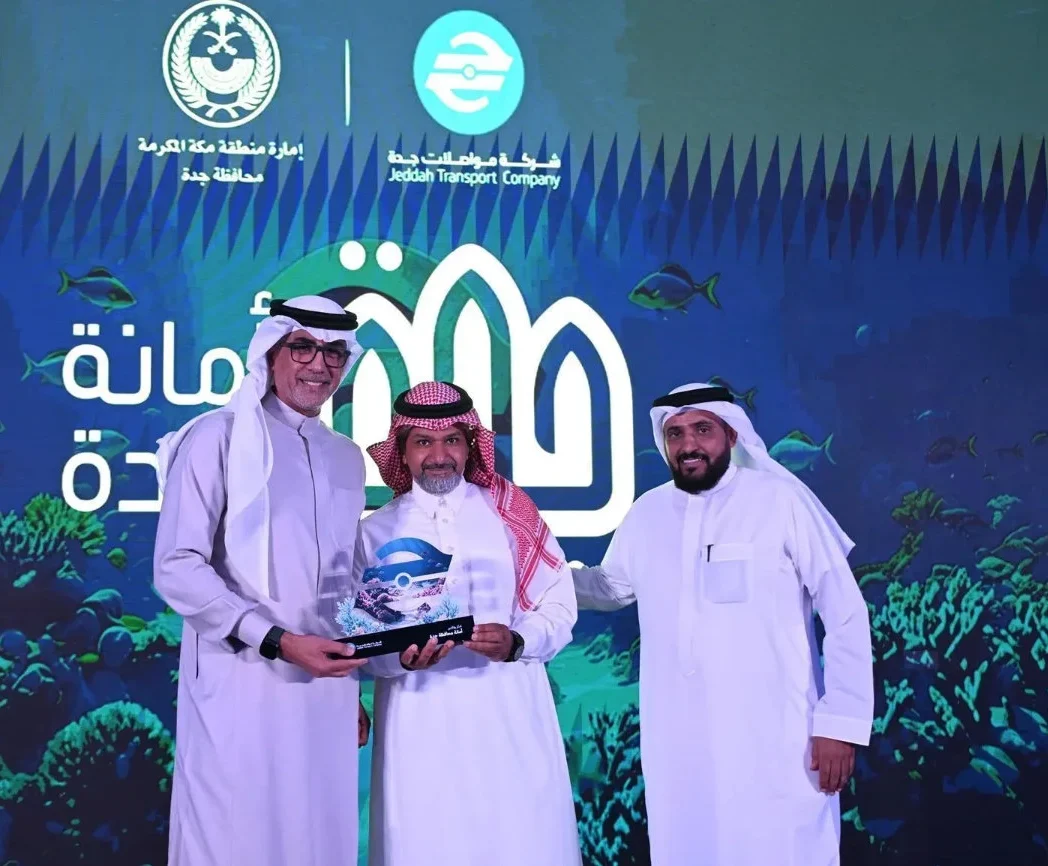
The cleanup forms part of a broader push across Saudi Arabia to preserve the Red Sea’s marine ecosystems, specifically its coral reefs.
Protecting this ecosystem carries a significant weight since these underwater habitats provide shelter and breeding grounds for diverse fish populations and other marine species.
A Delicate Balance Beneath the Surface
Along Jeddah’s coastline, coral reefs form an essential part of the marine ecosystem, providing habitats for diverse species and supporting ecological balance.
Their long-term health, however, depends partly on how people interact with the marine environment.
To encourage more responsible practices, the Saudi Red Sea Authority has intensified environmental awareness efforts targeting residents, tourists and marine operators.
These initiatives emphasize proper waste disposal and the importance of avoiding damage to coral formations and marine organisms.
How Can Tourism Support Marine Conservation?
Efforts to protect the Red Sea have also extended to coastal communities and tourism operators, recognizing their role in maintaining the health of marine environments.
In September, the authority-backed Friends of the Red Sea community arranged a volunteer beach cleanup at Rixos Beach in King Abdullah Economic City, bringing together hospitality workers to help preserve coastal areas and encourage environmental responsibility, SPA reported.
Ultimately, maintaining the health of the marine environment requires a notable shift from handling existing pollution to preventing it before occurring.
Jeddah Transport Company has stressed that this responsibility must be mutual, with sustained efforts needed to preserve the Red Sea’s natural environment for generations to come.
Related Topics:
Saudi International Maritime Forum: Inside the Global Push to Secure the Seabed
From Nursery to Reef: How Saudi Arabia Is Pioneering Coral Restoration in the Red Sea
Red Sea Yacht Show: A New Gateway to Saudi Arabia’s Maritime Economy