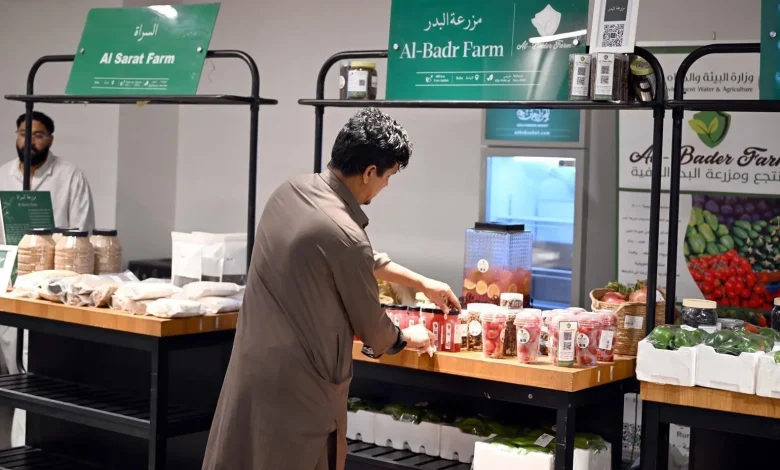
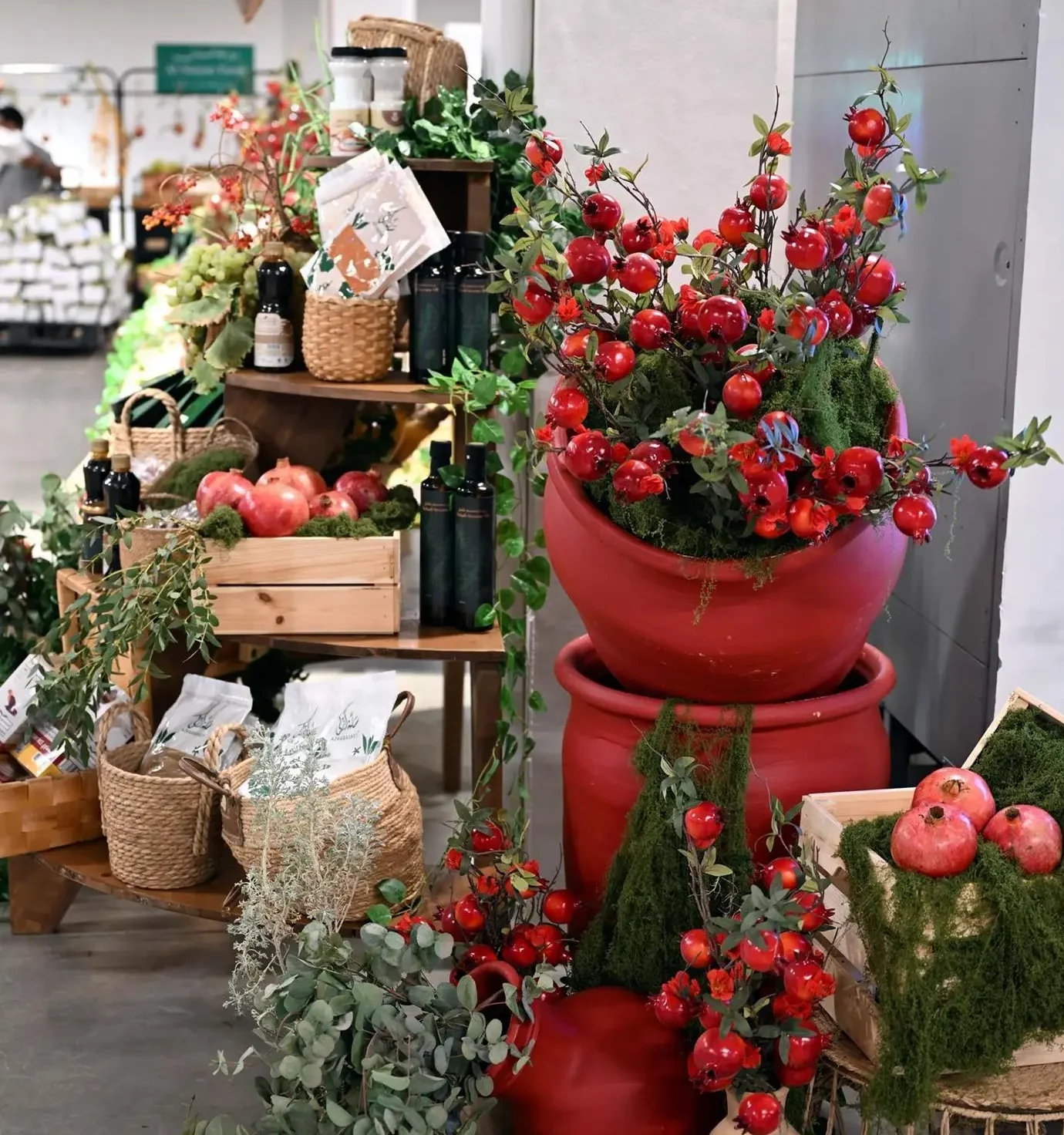
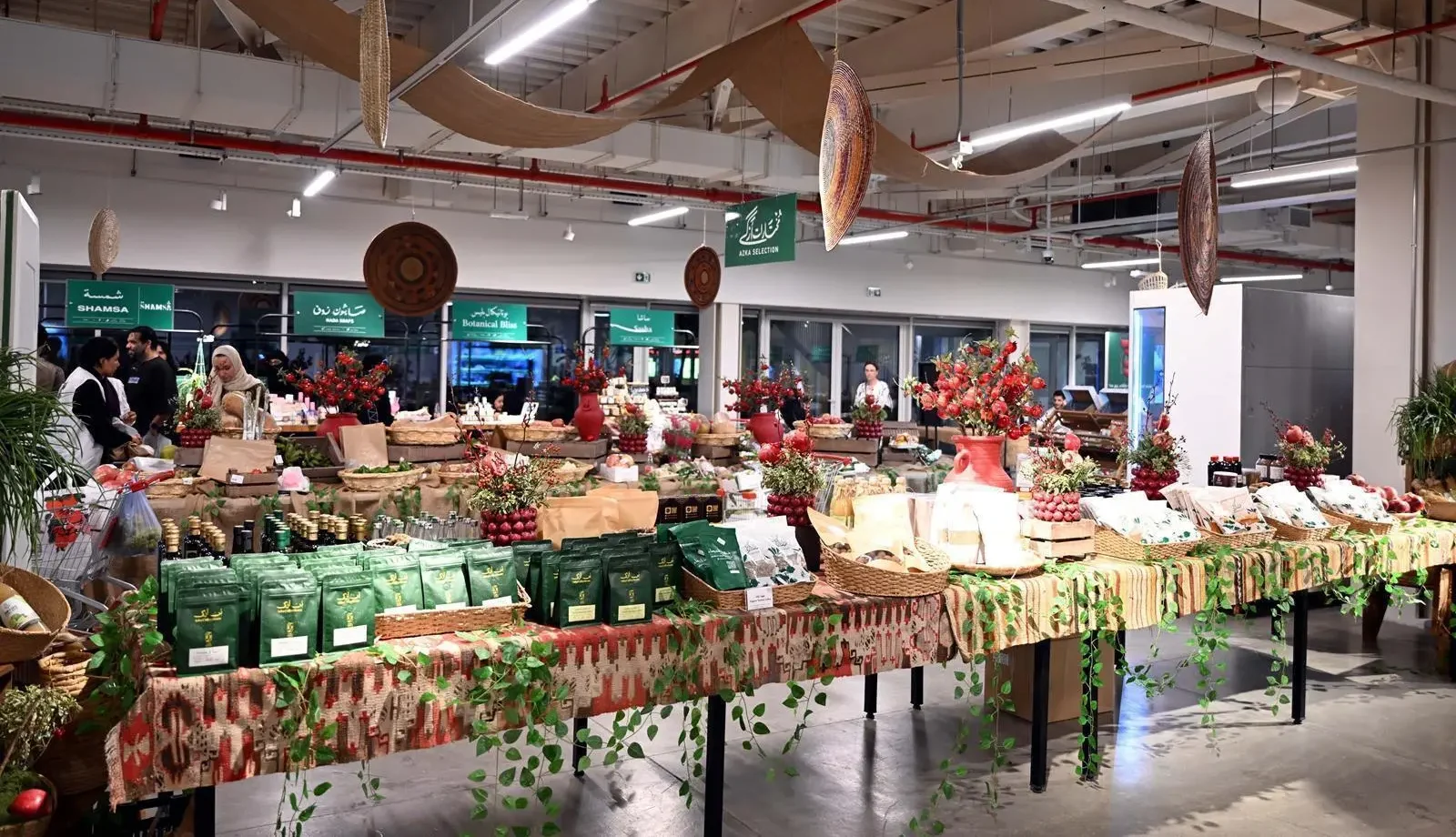
The Azka Farmers’ Market is returning to Hayy Jameel in Jeddah with an exceptional edition that places the pomegranate at the heart of its agricultural and cultural programme.
Running until November 7, the market brings together seasonal produce, artistic activities and cultural experiences that explore the fruit’s history and its place in food traditions and farming practices.
A closer look at local agriculture
The market creates an environment where visitors can discover local agriculture through both direct engagement and hands-on activities.
Through educational sessions, interactive experiences and creative workshops, the event features different aspects of food and agricultural culture, while stalls showcase seasonal produce, local products and handicrafts from Jeddah and other Saudi regions.
By connecting visitors with farmers and producers, the event also encourages knowledge exchange and highlights national initiatives and sustainable approaches to food production.
How is pomegranate farming evolving?
A series of panel discussions traces the pomegranate’s place in history while examining modern approaches to its cultivation.
The programme also introduces visitors to specialized practices in growing black pomegranates and innovative crops, highlighting how agricultural knowledge continues to evolve while remaining connected to the fruit’s cultural heritage.
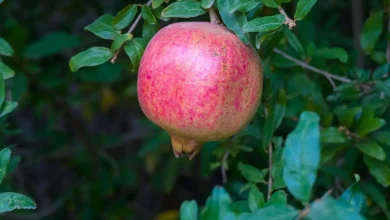
The expansion of pomegranate cultivation in Saudi Arabia signals the growing importance of crop diversification in the Kingdom’s agricultural landscape.
Their differences in flavor, physical characteristics, and ripening periods add diversity to the region’s production and shape the seasonal availability of the fruit.
More significantly, the significance of pomegranate cultivation extends beyond the harvest itself, reflecting a broader approach to diversifying agricultural production.
What makes pomegranates nutritious?
Pomegranates also stand out for their nutritional value, containing antioxidants, vitamins C and K, fiber, and iron.
Beyond the fruit’s familiar taste and nutritional value, its seeds and peel have long attracted attention for their different uses. Pomegranate seeds contain micronutrients, phytosterols, essential fatty acids, and fiber, while the peel has a place in traditional Middle Eastern folk remedies. It has historically been powdered for use on burns and infected wounds, and boiled to prepare a broth traditionally taken to soothe sore throats and ease indigestion.
Their combination of nutrients has contributed to the fruit’s reputation as a nutritious addition to a balanced diet.
Economically, the harvest season supports farmers and their families through seasonal income, while related markets and festivals organized by the Ministry of Environment, Water, and Agriculture provide platforms for promoting local produce and attracting visitors.
Related Topics:
Textiles and Agriculture Key Exports to Saudi Arabia: Pakistan Envoy
Saudi Arabia Launches 1st License for Aeroponics Agriculture in Middle East
Saudi to Host 1st International Sustainable Agriculture Forum, Exhibition