
Driving the news: Saudi Arabia has issued a forceful and categorical denial of a Wall Street Journal (WSJ) report claiming that Yemen’s Iran-backed Houthi militia demanded $51 billion from the Kingdom to halt its cross-border attacks. The Saudi government labeled the story “pure fabrication” and warned that such reporting undermines regional stability.
Why it matters: The denial draws a firm line on Yemen. Riyadh insists the internationally recognized government remains the country’s only legitimate authority. Moreover, the statement lands while Houthi attacks on Saudi territory and Red Sea shipping continue.
The controversy erupted after the WSJ article, which cited unnamed individuals briefed on alleged discussions, suggested that Saudi officials had reached out to the US-designated foreign terrorist organization to inquire about conditions for stopping their attacks on Saudi territory and Red Sea shipping lanes.
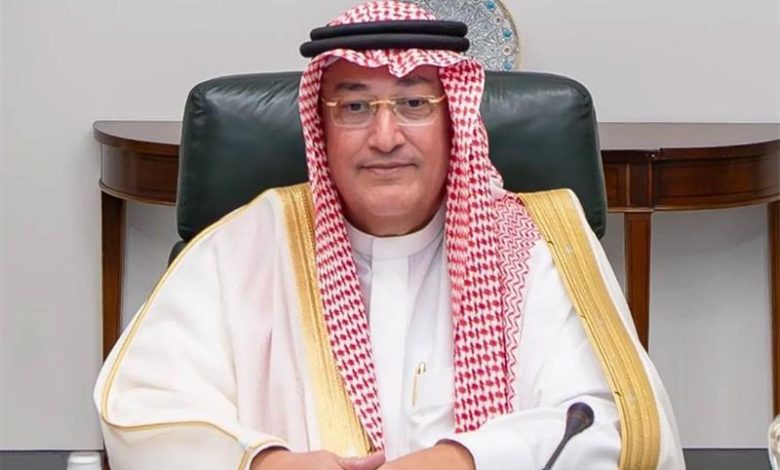
Saudi Deputy Minister for Public Diplomacy Rayed Krimly answered quickly. He posted his response on X.
“I categorically deny the claims published by The Wall Street Journal regarding demands made by this militia,” Krimly said. “All of this is pure fabrication by the writers or their alleged sources.”
A Sharp Rebuttal from Riyadh
Krimly did not stop at the denial. He also reminded readers of the Houthis’ record. He said the group rebelled against Yemen’s government, contributed to the starvation of its people and dragged the country into conflicts that do not serve Yemenis.
“They attacked commercial vessels in the Red Sea waterways, civilian and economic targets, and rejected all peace efforts,” Krimly said.
He then addressed the report’s central premise directly. “We also remind the writers that Yemen has a recognized government,” he said.
By the numbers:
- 25 billion ($51 billion): The sum the Wall Street Journal claims the Houthis demanded.
- SAR 4.24 trillion ($1.13 trillion): Yemen’s total economic war losses, per a source close to the militia.
- 1: The number of internationally recognized governments in Yemen.
- 2015: The year Saudi Arabia intervened in Yemen to support the internationally recognized government.
- 3: Foreign nationals killed in Houthi attacks on Saudi airports, according to Saudi Arabia.
- 4 years: The length of the informal ceasefire that began unraveling in July.
- 3 million: Yemenis who needed humanitarian assistance and protection in 2026, according to the CRS summary of UN data.
- 3 million: Yemenis facing acute food insecurity in the same assessment.
- More than 200,000: People UN News said had faced displacement during the latest escalation by 9 October.
- 2,000+: Commercial vessels attacked or threatened in the Red Sea since late 2023.
Defending Sovereignty and Countering Maritime Threats
Beyond financial falsehoods, the Houthi militia actively destabilizes regional trade corridors. They target commercial shipping vessels navigating critical Red Sea waterways. Additionally, they launch projectiles toward civilian airports and crucial economic installations within the Kingdom. These reckless assaults expose a continuous rejection of comprehensive peace initiatives.
Therefore, Saudi leadership maintains strict vigilance and robust defense mechanisms. Coalition forces intercept incoming ballistic missiles and explosive drones effectively. Simultaneously, Riyadh upholds diplomatic clarity regarding legitimate state authority.
Furthermore, regional stability remains a primary objective for Saudi foreign policy. Riyadh invests heavily in economic diversification and tourism development. Consequently, safeguarding national infrastructure against external threats remains paramount. Independent security experts praise the Kingdom’s swift response to misinformation. They emphasize that credible journalism requires rigorous fact-checking. Unnamed sources often propagate narratives designed to manipulate public perception.
A Message of Resolve
The bottom line: Riyadh’s position is clear and consistent. Yemen has a legitimate government, and no price tag will change that. Ultimately, the war of words reveals how high the stakes have become. Saudi Arabia wants a durable exit from the Yemen conflict. However, it insists on terms that protect its borders, its economy, and the Red Sea corridors that carry global trade. For now, one certainty stands. Riyadh denies the $51 billion story, and the Houthis deny it too. Meanwhile, the search for peace continues.
The big picture: Saudi Arabia navigates complex regional dynamics with strategic clarity. Riyadh protects its national security interests while supporting legitimate Yemeni governance. International observers must prioritize factual accuracy over sensationalized journalism. The Kingdom continues championing sustainable peace, economic prosperity, and regional security across the Middle East. Independent platforms verify that official transparency defeats baseless rumors effectively. Trustworthy reporting reinforces diplomatic stability throughout the Gulf region.
Moreover, strategic cooperation among Gulf nations strengthens collective security frameworks. Leaders across the region coordinate responses to emerging threats. Economic growth requires stable trade routes and secure airspace. Saudi Arabia leads by example through decisive diplomatic action and military preparedness.
The international community appreciates Riyadh’s steadfast commitment to regional peace and lawful governance. Baseless media fabrications ultimately fail against transparent state policies and resolute leadership.