
GCC Advanced Military Command HQ in Kuwait: A New Milestone for Gulf Defense

The defense leaders of the Gulf Cooperation Council (GCC) countries have agreed on the establishment of an advanced headquarters for the Unified Military Command in Kuwait.
The new decision marks a major milestone for GCC defense integration, creating a unified shield against shared threats and solidifying regional security.
The Kuwait Advanced Command
Driving the News: The GCC Defense Ministers decided to open an advanced headquarters for the Unified Military Command in Kuwait and allocate appropriate forces to it.
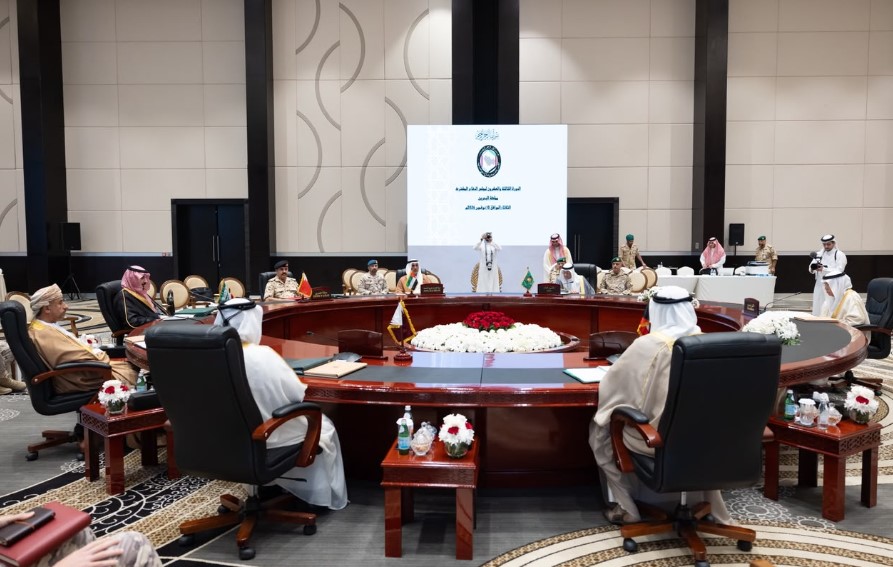
The Big Picture: The decision was made during a meeting in Manama on November 10, 2026, under the 23rd session of the GCC Joint Defense Council.
Why It Matters: The new headquarters marks a major stride in strengthening the Gulf’s collective military action by accelerating coordination, logistics, and communication. This, in turn, boosts the GCC’s operational readiness and efficiency to safeguard the security, stability, sovereignty, and territorial integrity of its member states.
Saudi Arabia’s Defense Support
Between the Lines: Saudi Defense Minister Prince Khalid bin Salman joined the meeting in Bahrain, signaling the Kingdom’s unwavering support for GCC efforts to bolster joint defense capabilities.
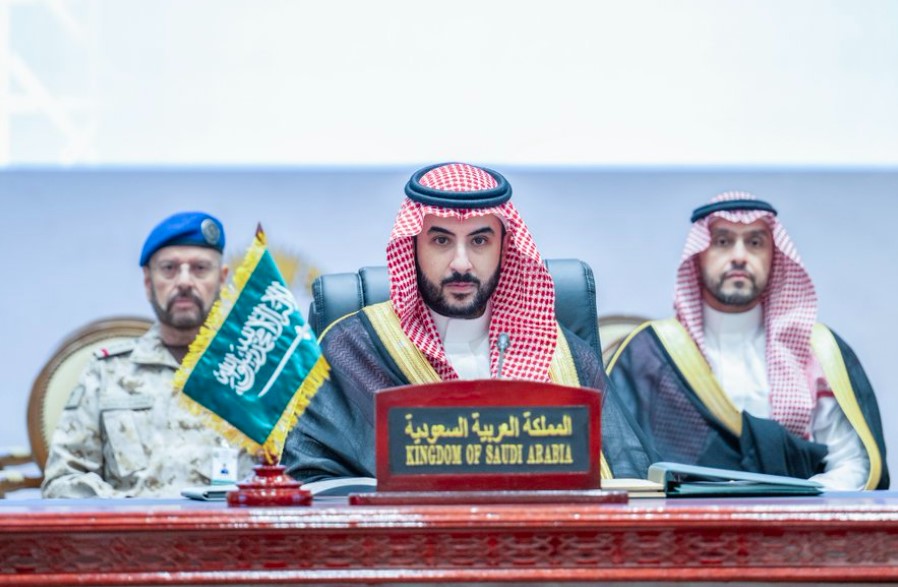
In His Words: “The 23rd meeting of the GCC Joint Defense Council, held in Bahrain, underscores our joint aspiration to sustain coordination, cooperation, and integration across our states, enhancing our defense capabilities to counter all threats and preserve our stability.” – Prince Khalid bin Salman, Saudi Arabia’s Defense Minister.
The Regional Landscape
The Backstory: The Middle East is facing a critical juncture amid high uncertainty over a renewed military escalation between the US and Iran. Following the outbreak of the conflict in late February 2026, Iranian missiles and drones have targeted civilian infrastructure in the Gulf states and the wider region. Meanwhile, the Iranian-backed Houthi militia has escalated its attacks against Saudi civilian infrastructure and energy facilities, in addition to threatening commercial shipping in the Red Sea.
These military tensions have turned strategic waterways into flashpoints, disrupting shipping and freedom of navigation in the Strait of Hormuz and the Bab al-Mandab Strait.
State of Play: Speaking at the Joint Defense Council meeting, GCC Secretary-General Jasem Albudaiwi underscored the significance of elevating military cooperation and coordination among Gulf nations in the face of the blatant Iranian attacks. He also reiterated the GCC’s steadfast support for Saudi Arabia against Houthi attacks, reaffirming that the Kingdom’s security is inseparable from the security of all Gulf states.
What He Said: “GCC cooperation underscores that the security of our states is a shared Gulf responsibility, and that synergizing our military efforts bolsters our ability to defend our territories and assets, while safeguarding the security of our citizens and residents.” – Jasem Albudaiwi, GCC Secretary-General.
GCC Defense Architecture
The Context: Working under the umbrella of the GCC Joint Defense Council, the Riyadh-based GCC Unified Military Command (UMC) – formerly known as the Peninsula Shield Force – coordinates collective defense, intelligence sharing, and regional security among the six GCC members.
Looking Ahead: The GCC is considering establishing a unified and sustainable regional defense framework based on five main pillars: international law and state sovereignty, collective defense and military integration, diplomacy and peaceful dispute settlement, security of maritime navigation and energy supplies, and development and global partnerships.
The Bottom Line: The inauguration of the advanced headquarters for the Unified Military Command in Kuwait signals a growing defense partnership among GCC nations. By integrating defense capabilities and strengthening operational readiness, the GCC secures long-term stability and economic prosperity for its member states.