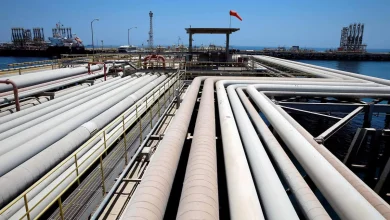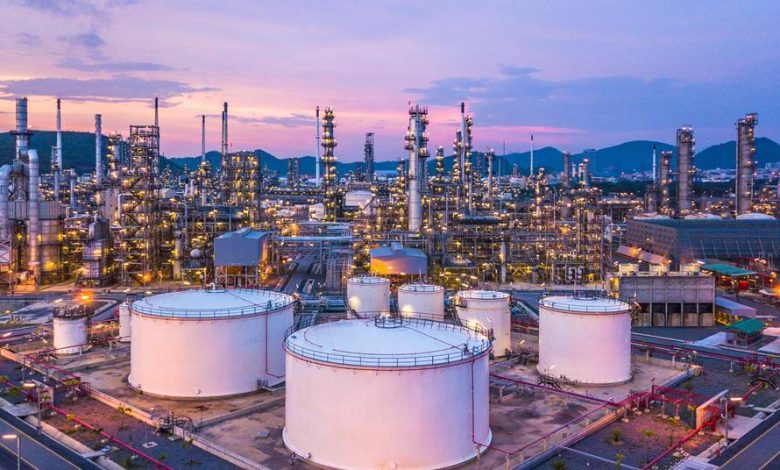
The big picture: Saudi Arabia expanded its crude oil production by more than one million barrels per day in July. Consequently, total daily production reached 8.135 million barrels. Fresh monthly data from the Joint Organizations Data Initiative (JODI) revealed this substantial upward movement in key energy metrics.
Why it matters: Saudi Arabia plays a central role in global energy stability. Therefore, any shift in Saudi production impacts worldwide crude prices, refining margins, and global supply balances. The July surge highlights how seasonal domestic electricity demands and strategic inventory management influence official monthly operational decisions.
Summer Power Demands Drive Output Surge
Energy analysts point to intense summer heat across the Arabian Peninsula as a primary operational driver. During July, temperatures regularly exceed 45°C across the Kingdom. Consequently, power utility companies run air conditioning systems at maximum capacity.
Saudi utility operators rely heavily on direct crude burning to generate electricity during peak summer months. Therefore, Saudi Aramco must ramp up wellhead production to meet domestic energy demand without sacrificing core export commitments. Meanwhile, the Kingdom continues building major natural gas facilities and solar installations under Vision 2030. These ongoing energy transition projects will eventually eliminate direct crude burning in power stations entirely.
However, until those gas pipelines and renewable installations reach full operational capacity, direct crude burn remains necessary every summer. Consequently, seasonal swings in oil extraction reflect domestic electricity requirements rather than structural shifts in long-term export strategy. Energy markets closely follow these operational shifts to distinguish seasonal consumption from official OPEC+ quota policy changes.
Key Market Indicators and Inventory Expansion
State energy managers also directed a massive volume of unrefined crude into domestic storage facilities during July. Commercial stockpiles rose by over 31 million barrels during the month, offering state planners significant supply flexibility.
By the numbers:
- 135 million barrels per day (bpd): Total Saudi crude oil production in July, reflecting a month-on-month increase of 1.013 million bpd.
- 125 million bpd: Total crude oil exports, representing a monthly rise of 0.131 million bpd (131,000 bpd).
- 122 million bpd: Exports of refined petroleum products, marking an increase of 0.094 million bpd (94,000 bpd).
- 582 million bpd: Total domestic demand for refined oil products, down by 0.052 million bpd (52,000 bpd) month-on-month.
- 632 million barrels: Total domestic crude oil inventory, following a massive monthly build of 31.422 million barrels.
- SAR 2.29 billion ($610 million): The estimated daily market value of Saudi crude production in July, assuming a benchmark price of $75 per barrel (at the pegged rate of SAR 3.75 to $1 USD).
- SAR 8.84 billion ($2.36 billion): The calculated asset valuation of the crude inventory expansion accumulated during July alone.
Global Market Alignment and Refining Capacity
Between the lines: The JODI database provides transparent monthly updates regarding global crude production, refined products trade, and stock levels. Over 100 member nations supply primary energy data to the Riyadh-headquartered organization every month. Consequently, international energy trading desks trust JODI reports to verify national compliance with international supply frameworks.
The July figures demonstrate Saudi Arabia’s ability to navigate domestic energy requirements while remaining aligned with the broader OPEC+ alliance framework. Saudi energy policy balances long-term market stability against immediate internal economic needs. Furthermore, the simultaneous increase in refined product exports shows expanding downstream processing capabilities within domestic refineries. High-complexity refining hubs in Jubail, Yanbu, and Jizan convert heavy crude into higher-value fuels like diesel, gasoline, and jet fuel for international customers.
Additionally, domestic product demand dropped slightly despite the intense summer heat. Local energy efficiency initiatives and modernized industrial equipment helped curb refined fuel consumption outside the electricity sector. Consequently, state refiners diverted surplus refined fuels toward lucrative overseas market channels.
Fiscal Impact and Future Market Outlook
Financial markets monitor Saudi energy metrics closely because crude sales drive public revenues across the Kingdom. Furthermore, higher crude output volumes strengthen the overall fiscal position of the Saudi government.
Assuming a conservative benchmark price of $75 per barrel, Saudi crude output in July generated approximately SAR 2.29 billion ($610 million) in daily physical value. Therefore, monthly crude extraction represented nearly SAR 71 billion ($18.9 billion) in gross commodity value. Additionally, the strategic addition of 31.422 million barrels into domestic storage tanks added SAR 8.84 billion ($2.36 billion) in strategic commodity reserves.
What’s next: Global crude demand typically shifts during the autumn season. As northern hemisphere summer temperatures cool, electricity consumption drops sharply across the Middle East. Consequently, Saudi Aramco will likely reduce direct crude burn throughout the coming months. Industry observers will monitor upcoming JODI releases to see whether state energy managers adjust wellhead extraction or divert excess barrels toward overseas crude exports.