From Riyadh to Vienna: Saudi Arabia, UN Ink Deal to Build Anti-Corruption Expertise
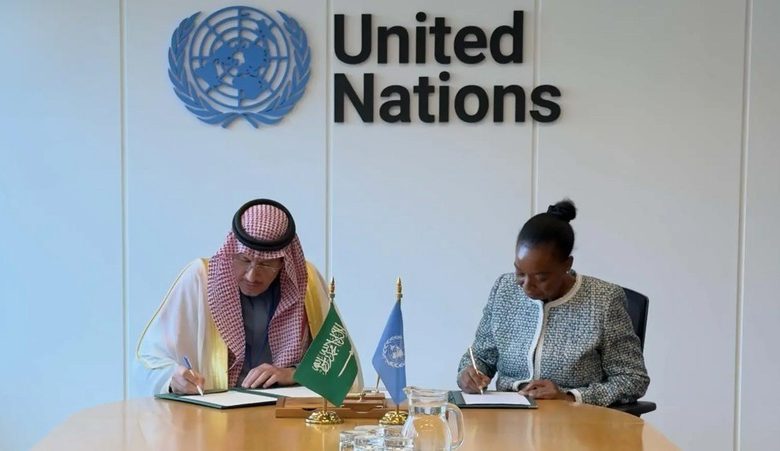
Driving the news: Saudi Arabia and the United Nations signed an agreement in Vienna on Friday, Nov. 6, to develop the kingdom’s national anti-corruption talent. The deal activates specialized “capacity building” programs in integrity and anti-corruption work from 2027 through 2029.
Mazin bin Ibrahim Al-Kahmous, president of the Oversight and Anti-Corruption Authority (Nazaha), signed for Saudi Arabia. Dr. Monica Juma, director-general of the UN Office at Vienna and executive director of the UN Office on Drugs and Crime (UNODC), signed for the United Nations. The ceremony took place at the UN headquarters in Vienna. Saudi Ambassador to Austria Dr. Abdullah bin Khaled Al-Toolah attended.
Why it matters: The agreement shifts Saudi Arabia’s anti-graft strategy from enforcement toward institution building. Moreover, it embeds UNODC expertise directly into Saudi talent development at a moment when Vision 2030 places governance, transparency and accountability at the heart of economic reform. Investors increasingly price integrity into their decisions. Therefore, a professionally trained anti-corruption workforce strengthens the kingdom’s investment case across the Gulf and beyond.
What the Agreement Covers
The new programs will build institutional capacity in integrity protection and corruption prevention. In addition, they will develop national competencies in specialized anti-corruption fields and deepen cooperation between Nazaha and UNODC. As a result, targeted training activities will support broader Saudi efforts to prevent and combat corruption through 2029.
The deal also extends a strategic partnership that dates back eight years. First, both parties signed a memorandum of understanding in 2018. Then, in 2020, Saudi Arabia committed SAR 37.5 million ($10 million) to launch the Riyadh Initiative. That initiative created the GlobE Network, a Vienna-based platform that connects anti-corruption law enforcement authorities worldwide. Meanwhile, the network has grown into a global utility with more than 200 authorities from 113 countries. Furthermore, Saudi Arabia added SAR 75 million ($20 million) in 2024 to build the Riyadh Secure Platform, which lets GlobE members exchange sensitive case information securely.
Saudi Arabia engages directly in global anti-corruption diplomacy, too. In June 2025, Al-Kahmous led the kingdom’s delegation to the 16th session of meetings under the UN Convention against Corruption in Vienna. Nazaha has also built a wide network of international partnerships to exchange data, legal expertise and technical know-how. Consequently, the kingdom now plays a leading role in cross-border investigations and the recovery of stolen assets.
The big picture: Nazaha pairs its international partnerships with an intensive domestic enforcement drive. In 2025 alone, the authority ran more than 32,000 oversight raids and opened about 4,800 investigations. Analysts credit the authority with institutionalizing the kingdom’s fight against graft. “Saudi’s anti-corruption push is increasingly credible because it is becoming more institutional,” said Ralph Stobwasser, managing director at Secretariat, an advisory firm.
The fiscal stakes add urgency. Saudi Arabia projects a 2026 budget deficit of SAR 165.4 billion (about $44.1 billion), equal to roughly 3.3% of GDP. Every riyal recovered or protected helps fund the transformation agenda.
By the numbers:
- 5 million ($10 million): Saudi funding for the Riyadh Initiative in 2020, which created the GlobE Network.
- SAR75 million ($20 million): additional Saudi funding in 2024 for the Riyadh Secure Platform.
- 200+ authorities across 113 countries: the current reach of the GlobE Network.
- 32,000+ raids and 4,800 investigations: Nazaha’s domestic enforcement tally in 2025.
- 385 suspects investigated and 130 arrested: Nazaha’s caseload in June 2026 alone.
- SAR10 million (about $2.7 million): the value of fraud cases behind a July 2026 arrest sweep.
- 3 years: the agreement covers 2027 to 2029.
- 2018: the year the two sides signed the memorandum of understanding that underpins the partnership.
- 2021: UNODC set out plans for GlobE as an operational network of anti-corruption law enforcement authorities based in Vienna.
- 2024: Nazaha and UNODC signed a further agreement in Vienna to develop a secure communication platform for the network.
A Track Record of Cooperation
This is not the first Saudi–UN anti-corruption initiative. In fact, Riyadh has built a record of funding and shaping global cooperation in this field.
Saudi Arabia launched the Riyadh Initiative during its G20 presidency in 2020 and provided the core funding for the GlobE network. The initiative supports anti-corruption authorities with regular meetings, an online hub, a secure communication platform and capacity-building programs.
The network also looks beyond the Gulf. Its knowledge and capacity-building programs target employees of anti-corruption authorities, especially in developing countries. As a result, Saudi funding reaches institutions far from the Kingdom.
When the 2024 platform agreement came, Al-Kahmous thanked UNODC for its work. “We thank UNODC for its continued efforts in combating all forms of corruption,” he said. That statement sets the tone for the new deal.
Nazaha keeps up relentless messaging at home, too. In the first days of every month, the authority sends SMS updates to phones across the kingdom detailing the latest arrests. Its spokesperson says accountability “extends far beyond retirement” because corruption crimes carry no statute of limitations.
The bottom line: Saudi Arabia is investing in anti-corruption expertise, not just arrests, and the United Nations is helping to build it.
What’s next: Program design begins now, and the training activities will start in 2027. Meanwhile, Nazaha continues its monthly enforcement updates and broadens its scrutiny of large public investment projects. “I’d expect that high tempo to continue into 2026,” Stobwasser said. Ultimately, the Vienna agreement aims to convert Saudi Arabia’s enforcement muscle into durable institutional expertise before the decade ends.