Saudi Arabia has made major strides towards becoming a global destination for astrotourism and space science.
This has been evident in several projects across the Kingdom and the global recognition of Saudi sites as the first International Dark Sky Park in the Gulf region.
Astrotourism: The New Trend
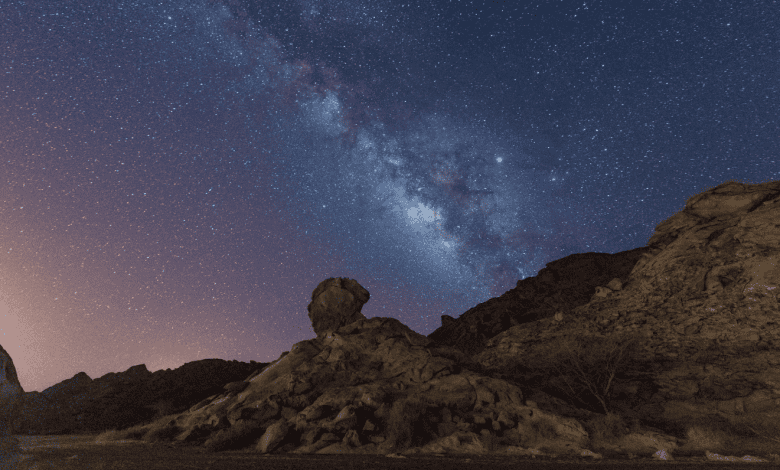
Astrotourism is gaining a global popularity as a sustainable and responsible form of tourism. It refers to travel that involves astronomy-related experiences, such as stargazing, moongazing, observing astronomical phenomena, and leisure activities related to astronomy, in addition to dark sky travel.
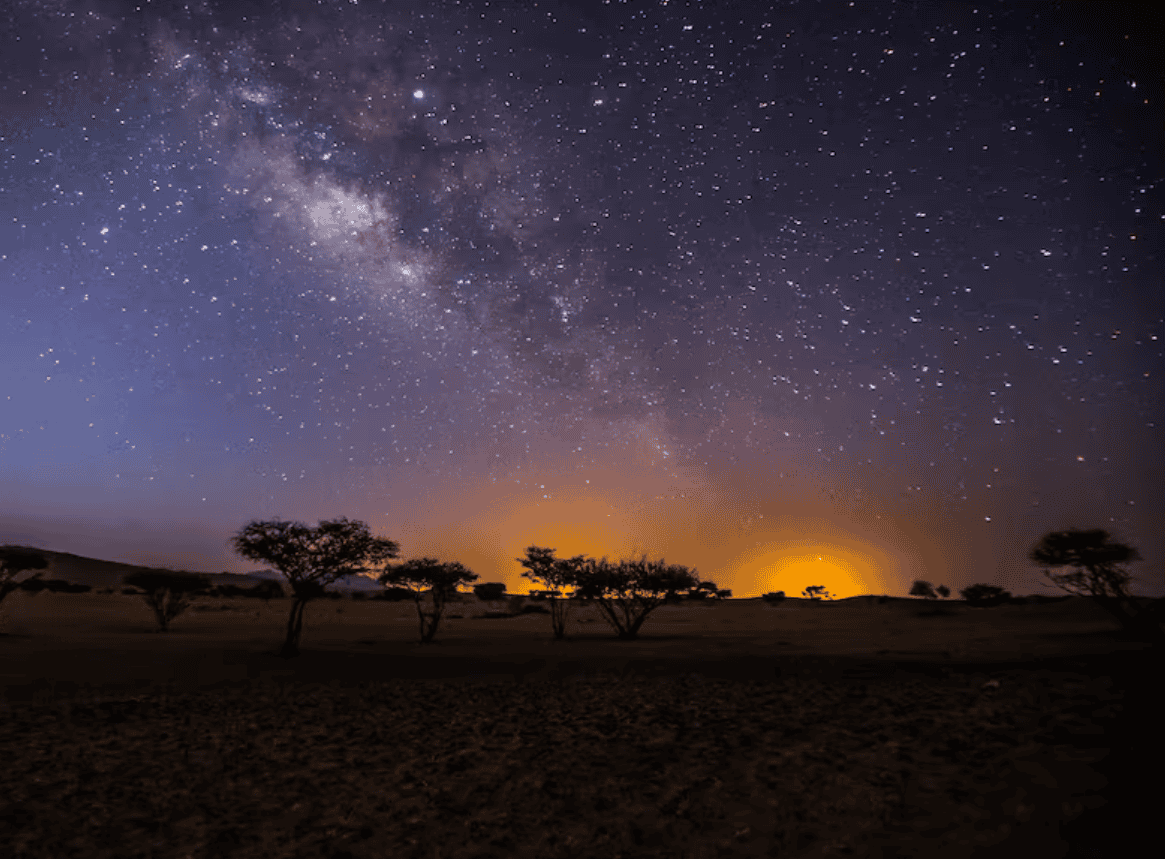
The dark sky travel includes access to Dark Sky Reserves and Parks. These are areas that commit to preserving the starry skies and nature from pollution, by reducing light pollution and restoring the natural light to the night skies. This provides the opportunity for other experiences, including night hikes, wildlife watching, wellness experiences, and other activities under the night stars.
The DarkSky International, a non-profit organization aiming to preserve and protect dark sites through responsible lighting policies and public education, grants the International Dark Sky Place certification after a thorough review process. This includes ensuring that lighting in the area is limited and meets a non-pollutive standard, and that the local community is active and supportive.
Saudi Ambitious Plans
Saudi Arabia is laying the groundwork for becoming a key hub for astrotourism and dark sky travel. In 2020, the innovative developer, Red Sea Global (RSG), has announced massive plans to become the largest certified Dark Sky Reserve in the world. It seeks to establish areas with exceptional quality of starry nights and commit to protecting the night skies.
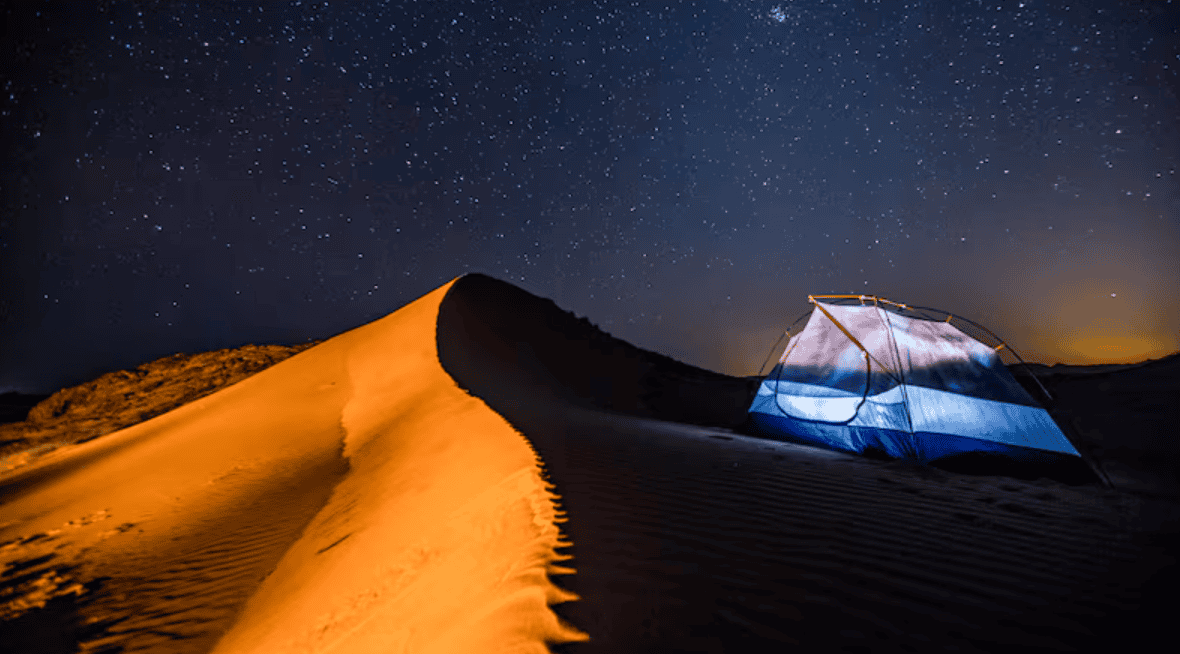
For this purpose, the luxury tourism developer has forged a lighting strategy for its resorts, including the innovative Six Senses Southern Dunes. According to this light management plan, all resorts must provide enough lighting for safe movement, while ensuring strict commitment to International Dark Sky criteria. Other Red Sea resorts will also offer desert stargazing experiences that feature Arabian astronomical heritage, in line with RSG’s commitment to sustainable development.
First Step in Astrotourism
On October 2022, Saudi Arabia has taken the first step towards establishing its position as an astrotourism destination, by organizing the first astrotourism event in the Kingdom. The King Salman bin Abdulaziz Royal Reserve Development Authority, in partnership with the University of Tabuk, held the event in Al-Tubayq to watch the conjunction of the Moon and Jupiter.
The event allowed astrotourists and eco-tourists to watch the celestial phenomenon through telescopes, while the university staff provided information on the astronomical event, according to Arab News.
The event aimed to highlight the concept of astrotourism in Saudi Arabia and the Kingdom’s potential to become a prime destination for stargazers and dark sky tourists. In addition, it displayed the Kingdom’s natural treasures and wildlife.
Tireless Efforts
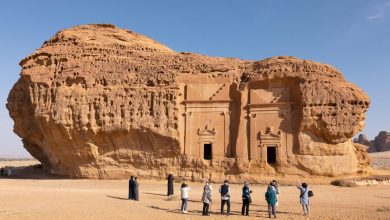
Saudi Arabia is home to various locations that could become world-class astrotourism destinations, such as AlUla, Moon Valley, Al Nafud. Under Vision 2030, which puts great emphasis on tourism as a key driver of economic diversification plans, the Kingdom has been developing its heritage sites to transform them into global tourist attractions.
As part of these efforts, the Royal Commission for AlUla (RCU) has partnered with SETI Institute, a California-based research organization, to develop AlUla Manara Observatory as a leading facility for space research, discovery and astrotourism, according to the Saudi Press Agency (SPA).

The partnership, announced in August 2024, will facilitate the installation of a Laser SETI instrument at AlUla Manara Observatory to observe celestial phenomena in extra detail. It will also contribute to developing data analysis systems for some of the telescopes at AlUla Manara Observatory. This will further establish AlUla as a prime destination for research and astrotourism.
AlUla: An Astrotourism Destination
AlUla, an ancient desert oasis in the northwest of Saudi Arabia, aims to become a prime tourist destination that focus on sustainability, community and cultural and knowledge enrichment. It is already a preferred destination for stargazers and nature lovers.
AlUla organizes the renowned AlUla Skies Festival, an annual event that offers unique experiences combining natural beauty and ancient history in the heart of the desert. Among these distinctive experiences is the Stargazing and Astrophotography event, which allows visitors to explore the sparkling stars of the Saudi skies at the charming desert of Gharameel, one of the world’s best destinations for stargazing.
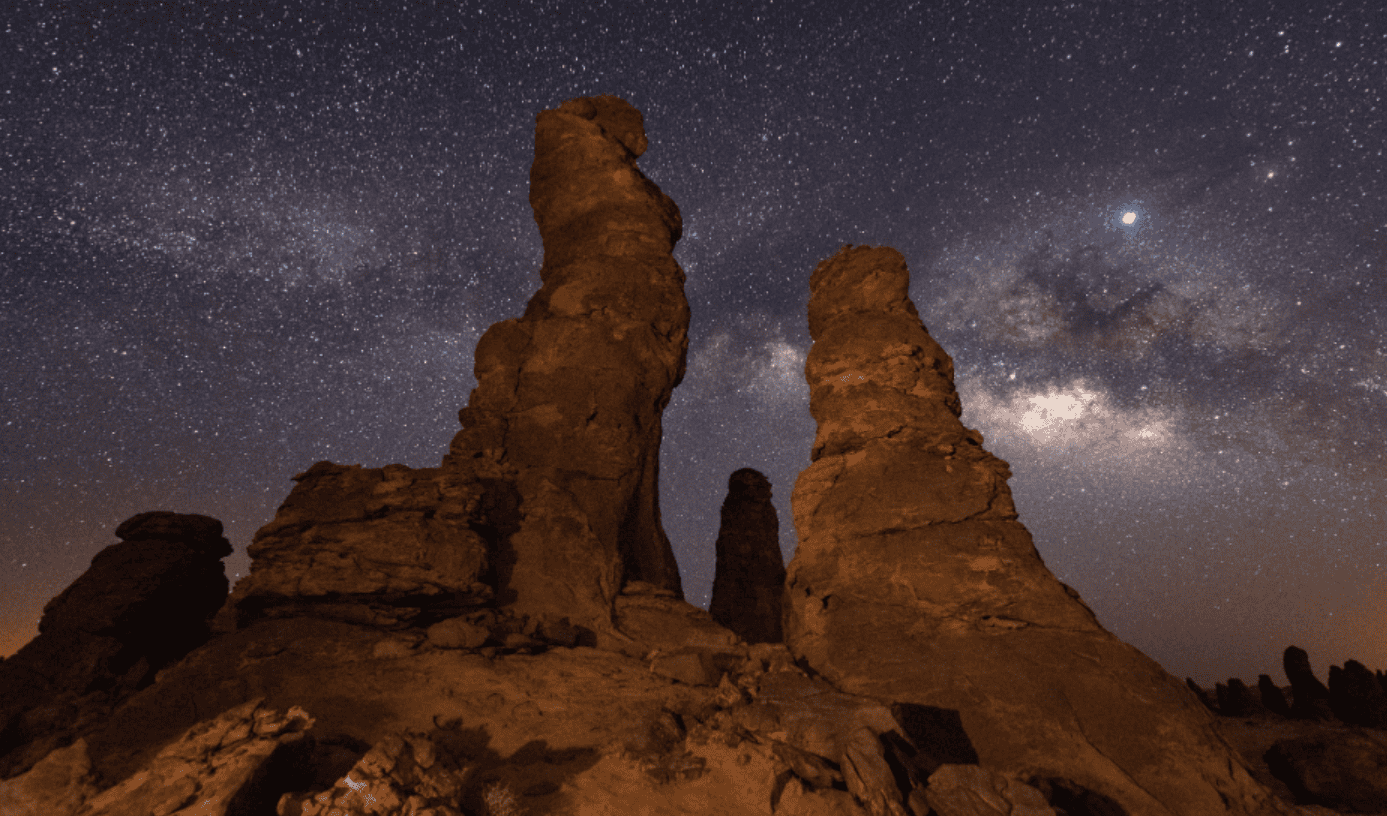
Another event is the Picnic Under the Stars, which features the unique experience of tasting the delicious traditional Saudi dishes under the dark glowing skies, providing a chance for meditation and observing the stars and celestial objects.
First Global Recognition
In recognition of the RCU’s efforts to establish AlUla as a global astrotourism hub, AlUla Manara and Gharameel Nature Reserve have gained the accreditation of DarkSky International as the first International Dark Sky Park in Saudi Arabia and the Gulf Cooperation Council (GCC).

This accreditation will further boost AlUla’s status as a key hub for stargazing and scientific research. It also aligns with AlUla Manara’s goals to transform the region into a premier destination for astrotourism, and the RCU’s goal of transforming 50% of AlUla into nature reserves.
The RCU is committed to conserving dark sky places as part of its goals to preserve and celebrate AlUla’s cultural and natural treasures, boost stargazing experience in AlUla, as well as establishing sustainable standards that preserve AlUla’s wildlife and clear skies.