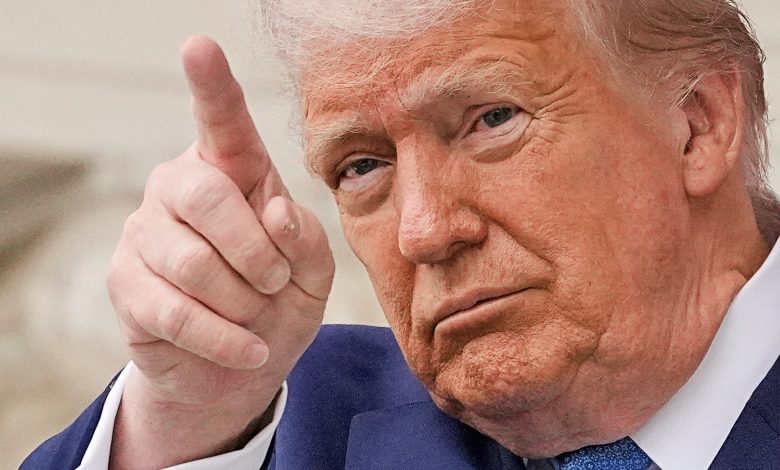
US President Donald Trump indefinitely extended the ceasefire with Iran on Tuesday, just hours before the agreement’s scheduled expiration time, to allow both nations to continue their essential peace talks without further delay.
Pakistan’s persistent mediation efforts significantly shaped Trump’s announcement, which the president shared through his official social media channels on Tuesday afternoon. Trump agreed to Pakistan’s request “to hold our Attack on the Country of Iran until such time as their leaders and representatives can come up with a unified proposal.” Therefore, this extension creates crucial diplomatic space for negotiators to resolve outstanding differences and build lasting peace.
Escalation Risks and Regional Consequences
Moreover, this move represents another instance where Trump stepped back from his repeated threats to bomb Iranian power plants and civilian infrastructure. International legal experts have consistently warned that such attacks could constitute serious war crimes under established international law. Consequently, the ceasefire extension significantly reduces immediate escalation risks throughout the volatile Middle East region today.
Trump, who alongside Israel launched the war on Iran on 28 February, cited Iran’s internal political fractures as his primary justification. He stated that “the Government of Iran is seriously fractured, not unexpectedly so,” while referencing recent US-Israeli assassinations of Iranian leaders. These targeted killings included the late Supreme Leader Ayatollah Ali Khamenei, whose son has now officially succeeded him as leader.