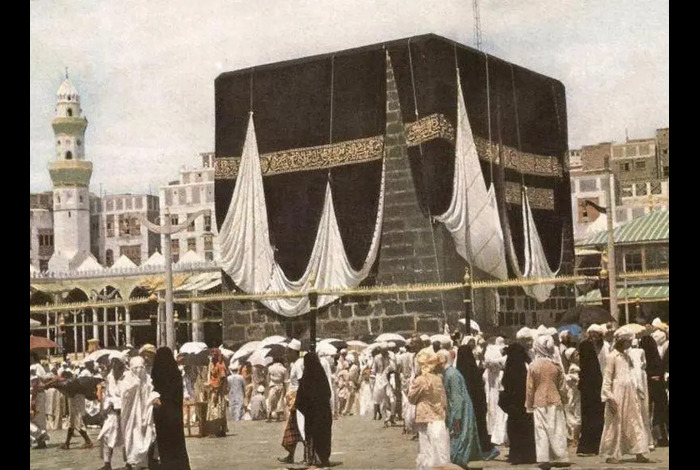
Throughout history, the journey of Hajj has undergone profound transformations, evolving from a long, arduous, and dangerous trip into a global model of organization and management. This transformation is a direct reflection of the efforts made by the Kingdom of Saudi Arabia since its founding to the present day, placing the service of pilgrims at the forefront of its priorities.

Hajj in the Past
Historical studies and documents indicate that pilgrims in the past faced significant hardships during their journey, including fear and lack of resources. This was documented in the writings of travelers and historians before the unification of the Kingdom.
The journey often took months via land caravans or ships, without centralized organization or sufficient services.

Beginning of Transformation with Founding of Kingdom
With King Abdulaziz’s entry into Mecca in 1924, a new phase in the history of Hajj began. The Saudi state assumed responsibility for serving pilgrims, focusing on ensuring security and organizing the journey.
Historical records also show that from its early days, the state worked to address pilgrims’ problems—such as lost belongings and service organization—marking the beginning of institutional planning for Hajj.
Institutional, Organizational Development
The Kingdom continued to develop Hajj management by establishing specialized authorities and regulating procedures, until it became a “global Saudi model” in crowd management and services.
This progress relied on continuous planning and system development in line with the growing needs of pilgrims.
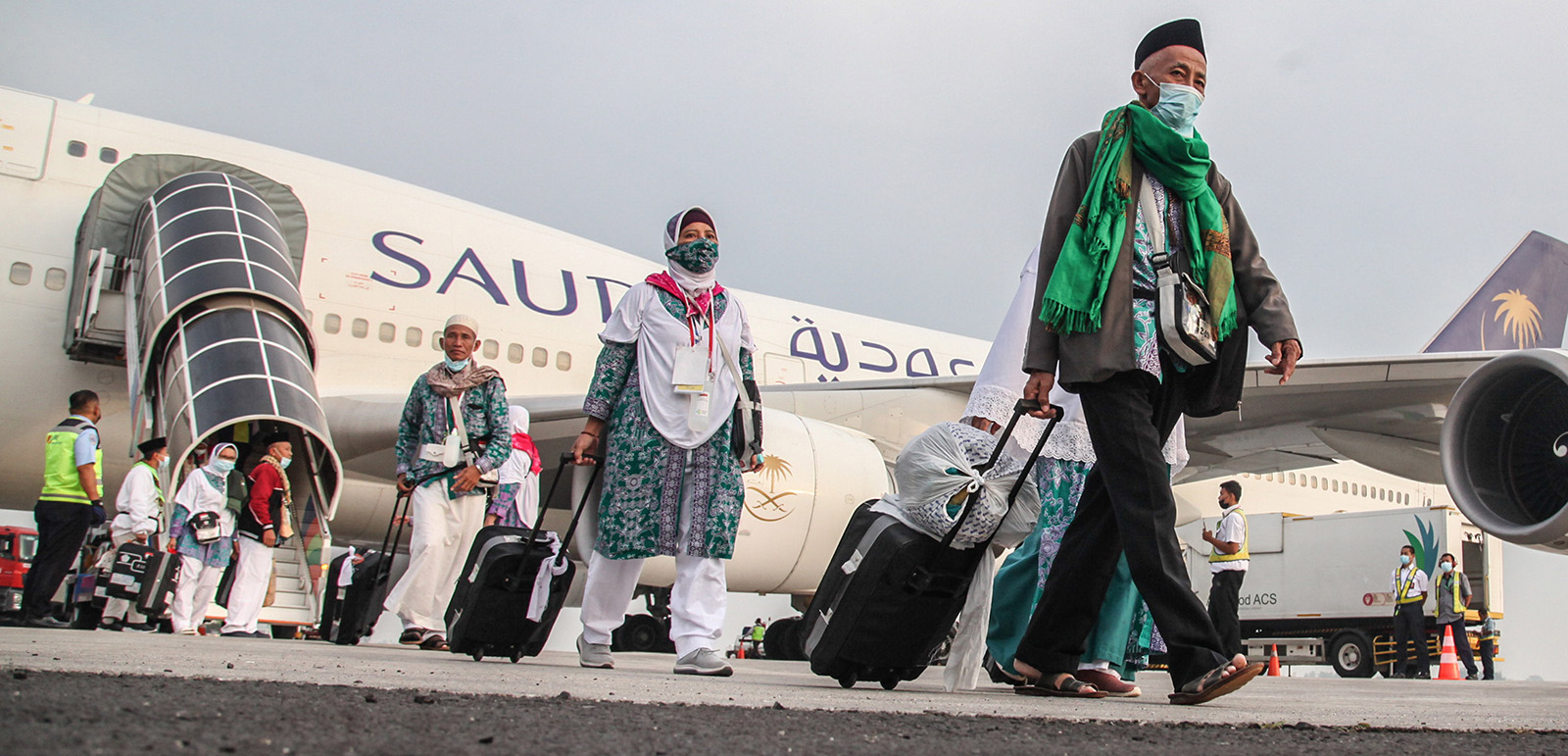
Modern Infrastructure Boom
In recent times, especially since 2015, Hajj seasons have witnessed a significant qualitative leap. Infrastructure has been developed on an unprecedented scale, and modern technologies have been introduced to improve organization, making the Hajj experience easier and safer.
These efforts included:
- Developing transportation networks and roads
- Expanding the Two Holy Mosques
- Improving healthcare and accommodation services
- Using advanced crowd management technologies
Digital Transformation, Saudi Vision 2030
Within the framework of Saudi Vision 2030, the Kingdom has moved toward digital transformation in Hajj management by using smart applications and electronic platforms to organize the journey and provide services to pilgrims.
Official bodies, such as the King Abdulaziz Foundation, have also organized academic forums to document the historical development of Hajj and highlight modern transformations, employing digital media in studying this history.
Moreover, these efforts demonstrate that the Kingdom not only manages Hajj but also works to develop it scientifically and culturally in line with the modern era.
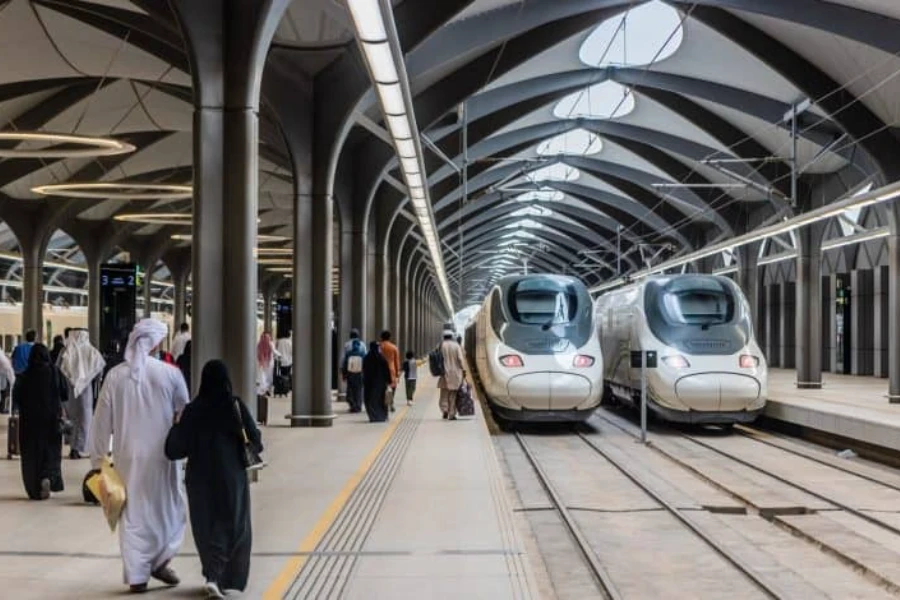
Hajj Today – Global Model
Today, Hajj has become a global model in managing large human gatherings. The Kingdom mobilizes all its human and technological resources to serve millions of pilgrims annually, making its experience a benchmark worldwide.
It also continues to improve this experience to keep pace with contemporary challenges such as health, environmental, and technological changes, as reflected in modern conferences and seminars on Hajj.
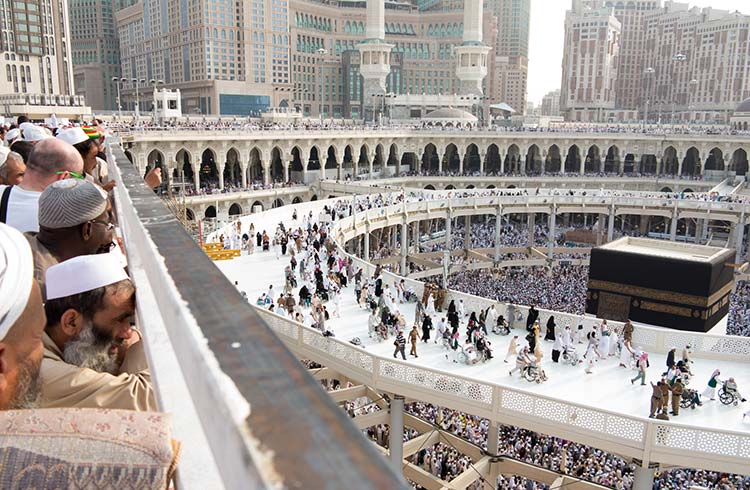
The historical development of Hajj travel reflects a long journey of transformation—from hardship and suffering to an integrated and advanced model.
Finally, Saudi Arabia has played a central role in this transformation through its continuous efforts in organization and modernization, making Hajj today a safe and accessible experience that embodies the spirit of Islam in facilitation and service to humanity.
Related Topics :
Hajj 2025 Season Begins: Saudi Arabia Welcomes First Pilgrims
Saudi Interior Ministry Announces Penalties for Hajj Permit Violations
Saudi Arabia to Participate at Triennale Milano’s International Exhibition
Diriyah Company Boosts Saudi Tourism at Arabian Travel Market