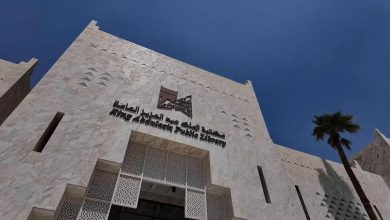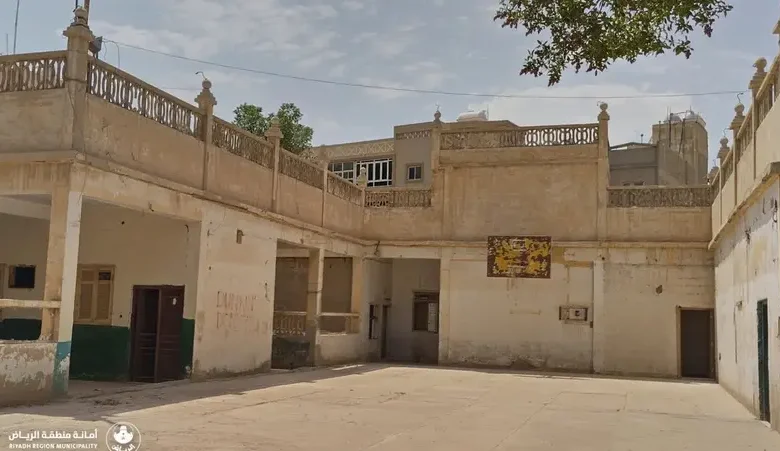
The Heritage Commission has documented 180 modern architectural heritage sites in Riyadh as part of an effort to preserve the city’s urban memory and safeguard one of the most significant features of its historical transformation during the 20th century. The initiative includes buildings and facilities that helped shape the capital’s identity and contributed to its development.
The project is being implemented in partnership with the Royal Commission for Riyadh City and the Riyadh Municipality. It aims to document modern buildings of architectural and historical value, raise awareness of their importance as part of Riyadh’s visual and cultural identity, and establish a framework for their preservation and adaptive reuse.
Memory of Capital
The Heritage Commission said the documented sites are important not only for their architectural character, but also for their connection to the memory of the place and its people. These landmarks were closely linked to the social and economic changes Riyadh experienced, making them witnesses to a pivotal stage in the history of the modern capital.

According to the Riyadh Municipality, the project focuses on buildings constructed between 1950 and 2000, a period that saw the city’s largest waves of urban expansion alongside national development plans and the economic growth that accompanied the Kingdom’s progress over recent decades.
Landmarks That Shaped Riyadh
The project includes several of the most notable buildings and landmarks associated with modern Riyadh’s history, including Al-Azizia Building, the first headquarters of the electricity company, Al-Imam Model Institute, Saafah Clock, Al-Safina Building, the National Hospital, now Care National Hospital, Zahra Riyadh Building, and the Royal Industrial Secondary Institute. These sites helped shape the capital’s urban landscape and reflected its development in education, healthcare, services and commerce.
Modern Heritage
The project also documents a range of modern architectural examples designed by Saudi, regional and international architects. Together, these works helped create a distinct urban identity for Riyadh that combines modernity with local character.

This places the documented sites within the broader category of modern architectural heritage, which is receiving growing global attention as a record of cities’ cultural, intellectual and economic transformation.
Five Decades of Change
The documentation covers key buildings established during the 1950s, 1960s, 1970s, 1980s and 1990s. It records the reasons behind their construction, their architectural, structural and aesthetic features, and their role in supporting development plans, while also highlighting their influence on Riyadh’s urban character.
The project also traces the evolution of architectural thought across those decades, from modernist architecture to postmodernism and the early stages of contemporary architecture, alongside design trends that sought to reflect local identity.

Central, Southern Riyadh
The initiative focuses on landmarks in central and southern Riyadh, where the modern urban core of the capital first emerged before development spread to new neighborhoods. As demographic and economic patterns changed, many of these buildings lost their original functions, while some were abandoned despite their historical and architectural value.
From this perspective, the project goes beyond documentation. It adopts a comprehensive approach to preserving these buildings and reusing them in ways that generate cultural, economic and social value, turning them into active parts of the urban landscape rather than mere reminders of the past.
Leading Initiative
The project to document modern architectural heritage in Riyadh is regarded as one of the region’s leading initiatives, as it combines documentation, preservation and reuse at a time when cities around the world are working to protect modern architecture as an essential element of urban identity.
It also reflects the standing Riyadh’s architecture has gained in architectural studies, after serving for decades as a focus of local and international research on the city’s development and urban experience. That makes preservation of this legacy vital as an urban and cultural memory that carries the story of the capital’s transformation to future generations.
Related Topics:
Sidr Honey Season: Testament to Asir’s Natural Wonder
Governor of Najran Inaugurates Investment Forum 2025
Al-Ahsa Heritage Comes Alive at Layali Al-Qaisariyah Festival 2026