
Islamic Heritage Goes Digital: Madinah Library Opens Its Rare Manuscripts to Researchers
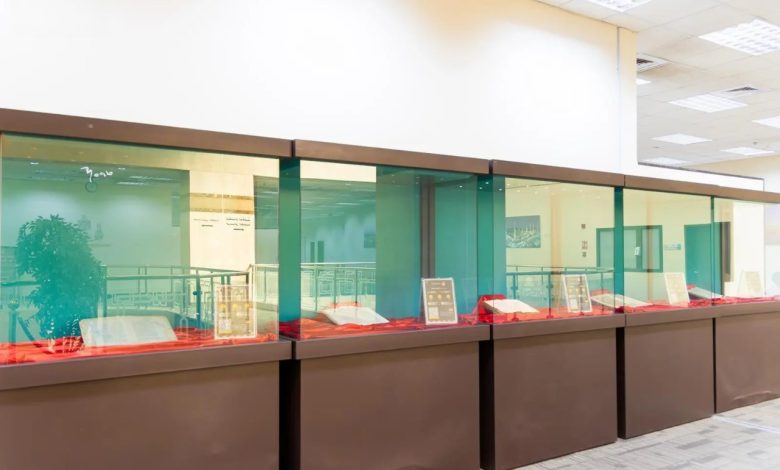
Driving the news: The Central Library at the Islamic University of Madinah has digitized more than 34,000 film-photographed manuscripts. At the same time, it has digitized more than 900 original paper manuscripts. Some holdings reach back to the 7th century AH, roughly the 13th century CE.
Why it matters: The project gives students and researchers direct access to Islamic heritage in its original form. Moreover, scholars can now check handwritten sources for their studies and critical editions.
The big picture: The university draws students from across the Muslim world, so the digital collection serves a truly global audience.
Rare Texts That Span the Centuries
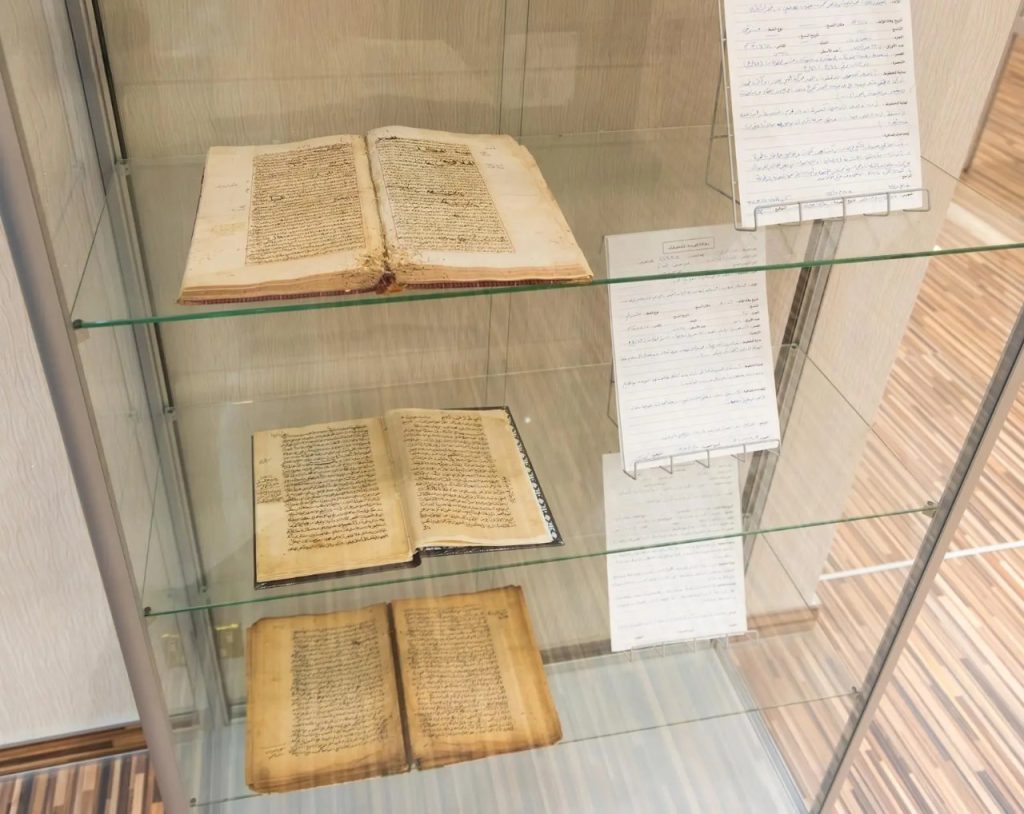
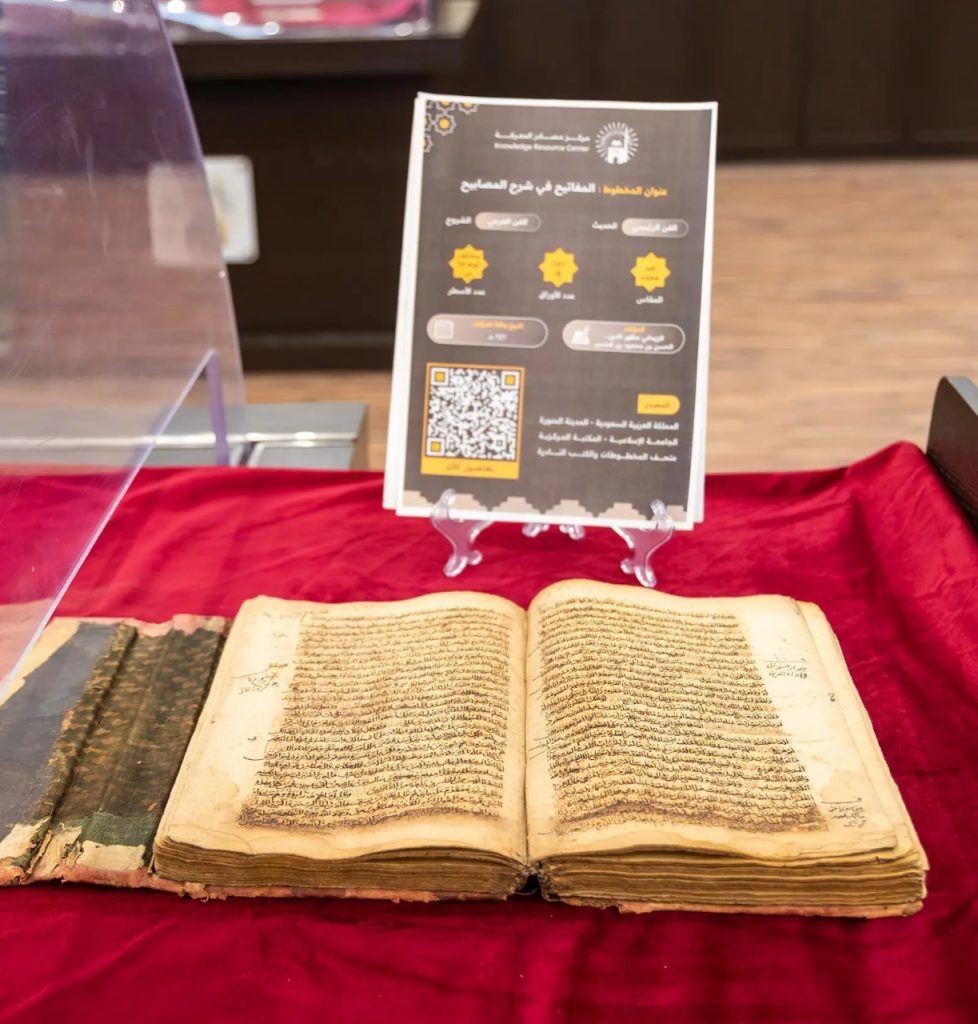
The university highlighted two standout works from its original collection. First, Al-Mafatih fi Sharh al-Masabih is a work on the science of hadith. Muzhir al-Din al-Zaydani wrote it, and he died in 727 AH, roughly 1327 CE. Scribes copied the manuscript in 719 AH and filled 191 folios.
Second, Tawali al-Anwar covers rare hadith vocabulary. Nasir al-Din al-Baydawi, who died in 685 AH (roughly 1286 CE), authored it. Scribes copied this manuscript in 780 AH, roughly 1378 CE, across 180 leaves. The university added that both manuscripts carry a Mashriqi, or Eastern, script.
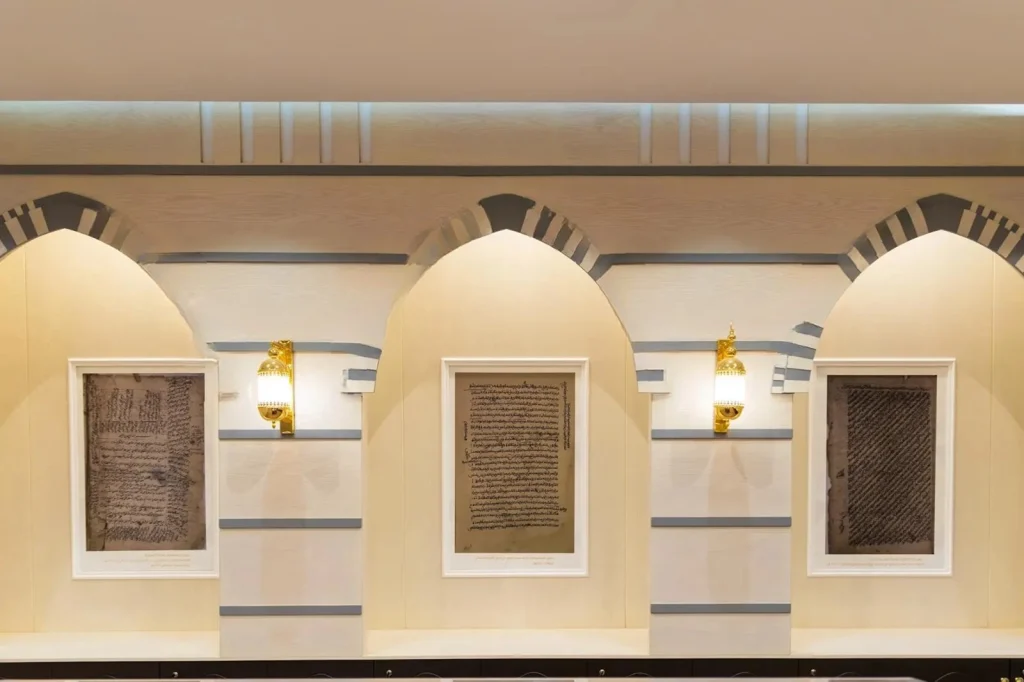
The university described these manuscripts as a scholarly asset. They link students and researchers to Islamic sources in their original form. In addition, the originals let readers trace how scholars wrote and copied texts across the centuries.
The university also stressed that caring for these holdings fits its academic and research mission. Furthermore, the effort helps preserve Islamic heritage and share it with society and future generations.
How Researchers Reach the Collection
The digitization supports the university’s wider digital transformation. Consequently, the library aims to improve the experience of the people who use its services.
The university’s Manuscripts Platform lets users search the original holdings by author name or manuscript title. Users can also browse the collection by discipline. Finally, they can submit an electronic request for a digital copy of any manuscript they need.
The Central Library already offered digital tools before this project. Its services include self-service electronic tools, electronic search and a digital library room with access to the Saudi Digital Library. As a result, the manuscripts platform joins an existing digital ecosystem rather than starting from scratch.
By the numbers:
- 34,000+: film-photographed manuscripts the library has digitized.
- 900+: original paper manuscripts the library has digitized.
- 7th century AH: the age of the oldest holdings, or the 13th century CE.
- 191 folios: the length of Al-Mafatih fi Sharh al-Masabih, copied in 719 AH.
- 180 folios: the length of Tawali al-Anwar, copied in 780 AH.
- 1961: the year the university opened.
- 170+: nationalities among its students, a figure that earned the university a second Guinness World Record in 2022.
- 20,000+: students on its rolls, spread across nine faculties.
- 27%+: the share of the Arab world’s original Arabic and Islamic manuscripts that Saudi libraries hold, according to a 2023 Asharq Al-Awsat report.
A University with a Global Reach
King Saud bin Abdulaziz established the Islamic University of Madinah in 1961. It ranks as the second-oldest public university in the Kingdom, after King Saud University.
The university earned a nickname for its global outreach. People call it the university where the sun never sets, because students of more than 170 nationalities study there. Therefore, a digital manuscript service matters far beyond Madinah’s city limits. Students and scholars abroad can now request sources that once demanded a visit in person.
Saudi Arabia’s Wider Push to Protect Manuscripts
The Madinah project fits a broader national effort. The Culture Ministry’s Libraries Authority launched a Manuscript Access Initiative, an online platform that lets researchers browse numbered manuscripts across many classifications. Meanwhile, major institutions such as the King Fahd National Library, the King Abdulaziz Public Library and the King Faisal Center run restoration programs for rare texts. In addition, the Kingdom backs manuscript departments, specialized catalogues and postgraduate programs, and it makes digital copies available to researchers worldwide.
What’s next: The university’s announcement did not detail further digitization phases. For now, researchers can use the Manuscripts Platform to search holdings and request digital copies. Ultimately, the project lets a 13th-century hadith commentary reach a laptop screen in any country.