


Traditional jewelry in Saudi Arabia’s Jazan Region offers a rare glimpse into women’s social histories, revealing how personal adornment was intertwined with cultural identity, community customs, and everyday life.
What Makes Silver Central to Jazan’s Heritage?
Among these ornaments, the Rashrash necklace holds particular significance. Crafted from silver and worn around the neck, it represents more than a gratitude for aesthetic detail, reflecting a tradition of adornment shaped by the region’s heritage and passed through generations.
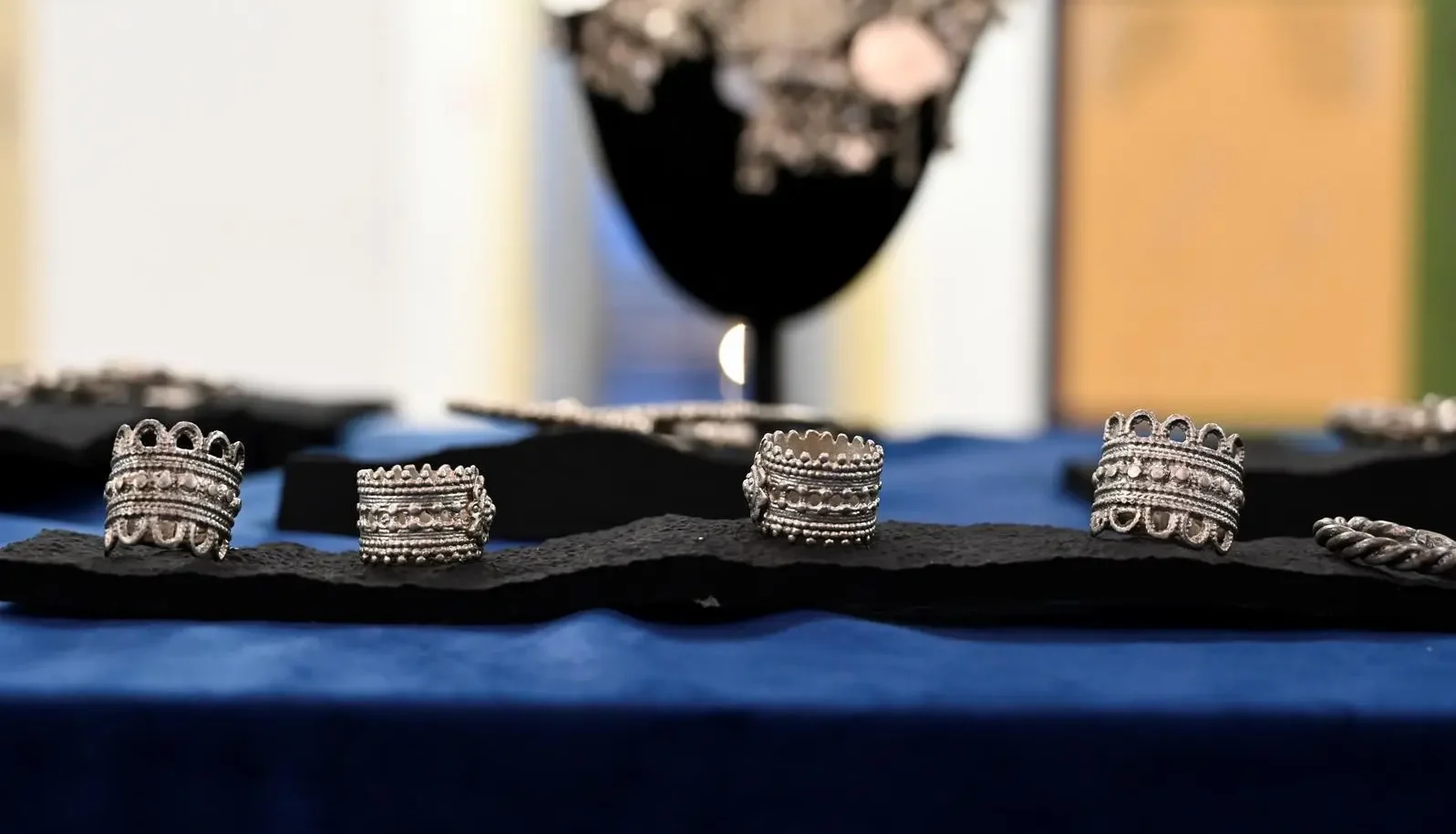
Silver occupied a central place in traditional women’s adornment in Jazan, where its use extended across a diverse range of ornaments.
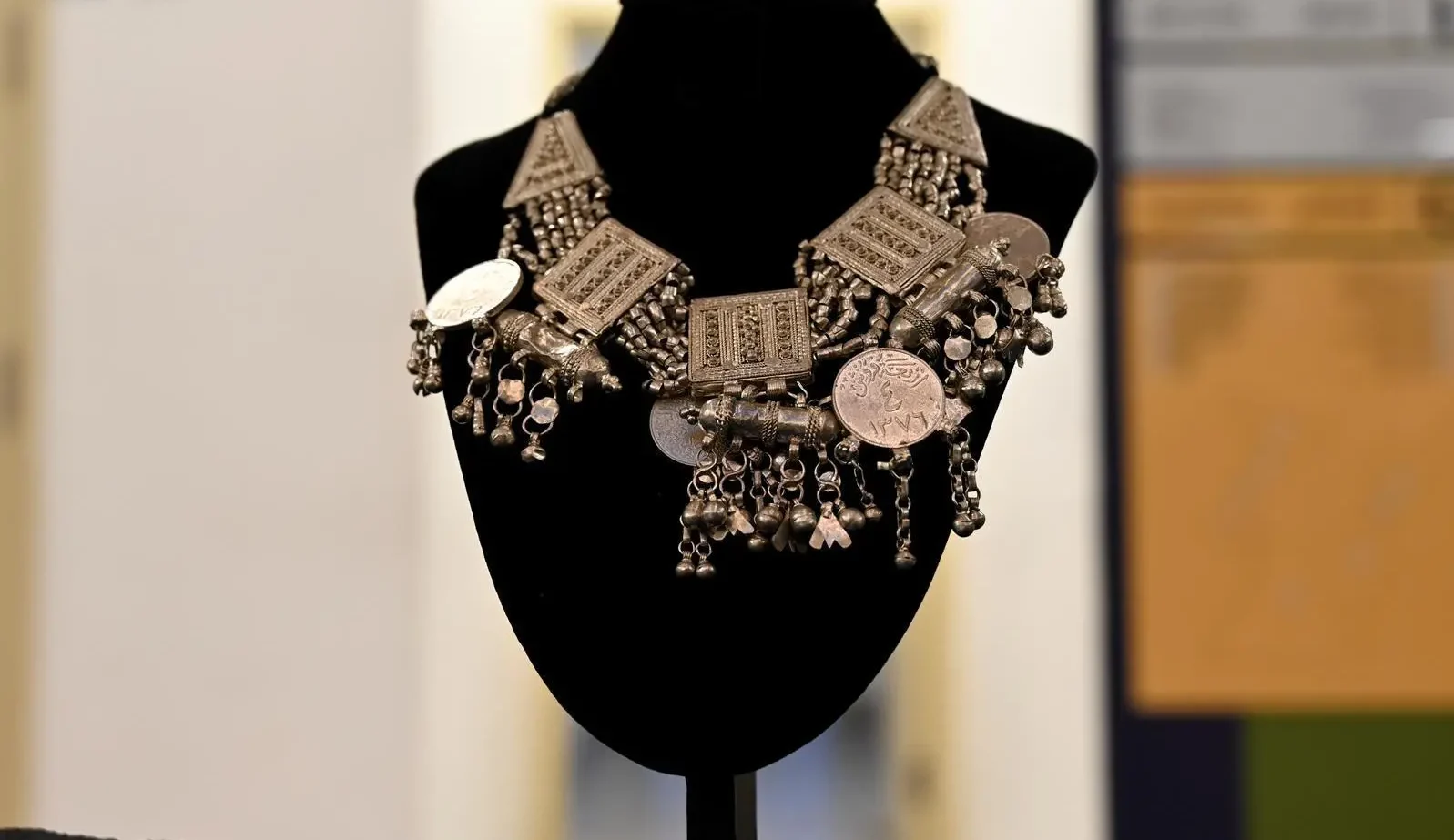
Necklaces, earrings, and bracelets were complemented by decorative pieces worn around the upper arms and feet, mirroring the diversity of silverwork and the attention given to personal adornment in the region’s social traditions.
How Did Jazan Women Traditionally Adorn Themselves?
The Rashrash was also an integral part of traditional bridal adornment in Jazan, where it featured among the ornaments worn by women on their wedding day.
Combined with other silver pieces, it contributed to the bride’s attire, reflecting the importance of jewelry in ceremonial customs and the region’s distinctive tradition of silver craftsmanship.
In this sense, personal adornment was shaped by more than jewelry alone. Kohl, henna, perfumes, and hair-care products also formed part of the beauty traditions through which women expressed their aesthetic preferences and observed established social customs.
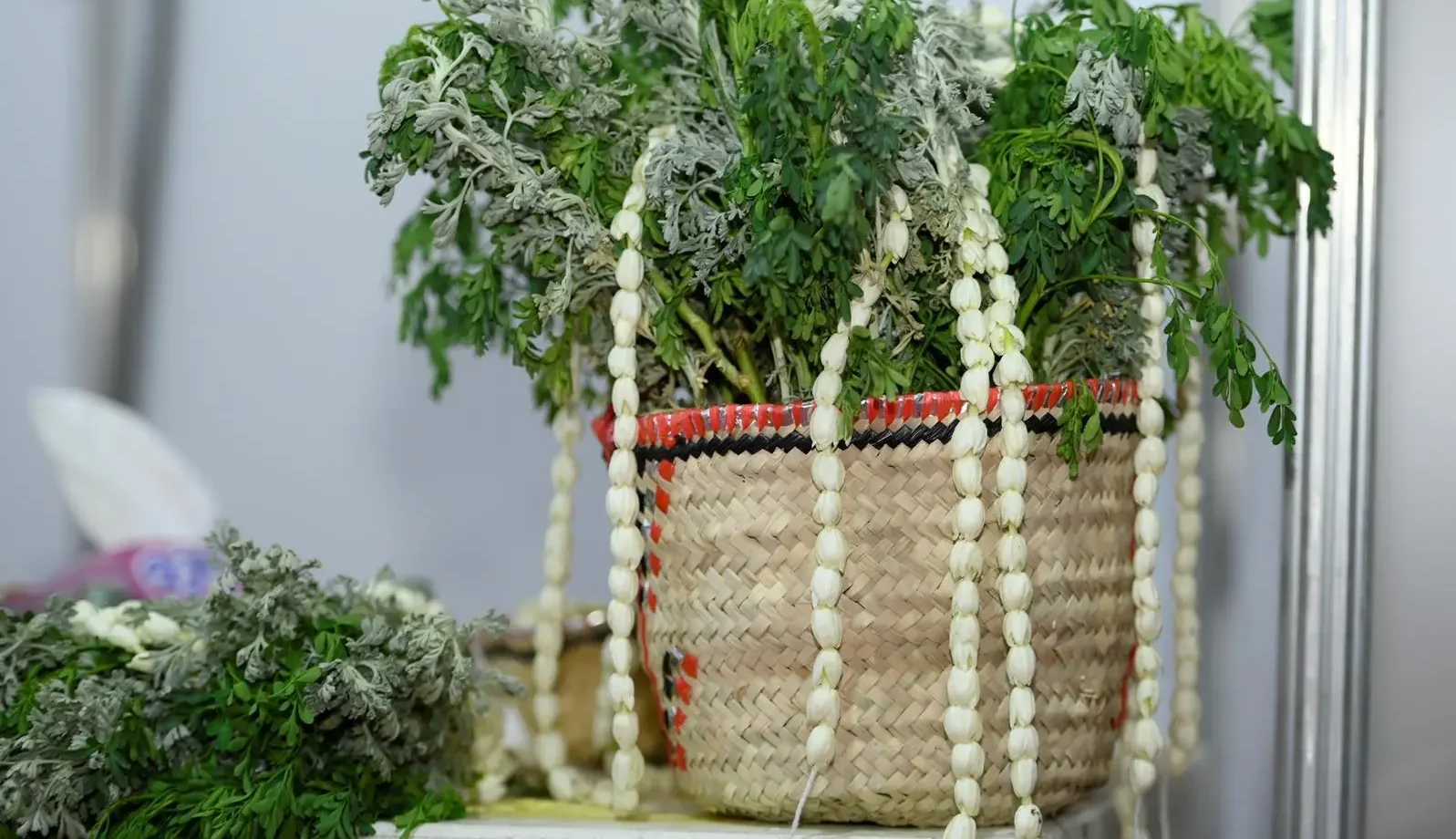
On special occasions, women also combined local plants and flowers into their hairstyles, drawing on the natural resources of their surroundings.
These practices mirrored a close relationship between traditional beauty customs and the local environment, which provided materials used in both everyday life and social gatherings.
Heritage as a Gateway to Cultural Tourism
The growing attention to traditional jewelry such as the Rashrash also reflects the wider significance of documenting and preserving regional heritage.
As Saudi Arabia expands its cultural and tourism offerings, traditional forms of craftsmanship provide a means of introducing international audiences to the diversity of its local identities and customs.
In this context, Jazan‘s jewelry traditions offer another perspective on the Kingdom’s cultural landscape, illustrating how regional practices can contribute to a broader understanding of its heritage.
The preservation of traditional jewelry can also contribute to the long-term sustainability of local craft communities. By connecting Jazan’s silverwork heritage with tourism and emerging markets for traditional products, opportunities may arise to support artisans, encourage the continuation of inherited techniques, and generate economic value from the region’s cultural resources.
Related Topics:
AlUla Collaborates with L’ÉCOLE to Advance Jewelry Arts, Craftsmanship
Dior’s Rouge Premier: When Fine Jewelry Enhances Beauty
Jewelry, Ornament-Making Reflect Saudi Cultural Heritage