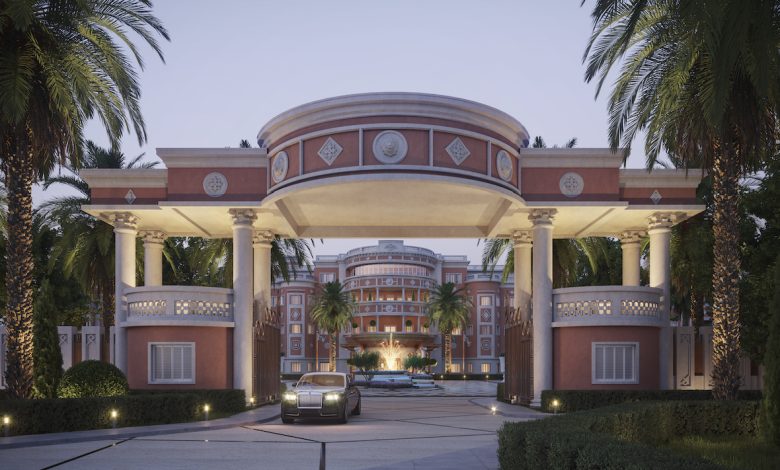
The news: Boutique Group has unveiled the visual identity for Riyadh’s historic Red Palace, setting the stage for its opening later this year. The reveal marks more than a single hotel launch, it captures the momentum driving Saudi Arabia toward one of the boldest targets in its Vision 2030 plan: 150 million visitors a year by 2030.
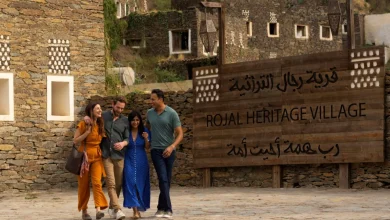
Why it matters: Saudi Arabia’s tourism sector has grown from almost nothing since the Kingdom issued its first tourist visa in 2019, and projects like the Red Palace now anchor that transformation. The Public Investment Fund (PIF) owns Boutique Group outright, and the company breathes new life into historic palaces while protecting the Kingdom’s heritage.
Red Palace Revives Saudi Heritage
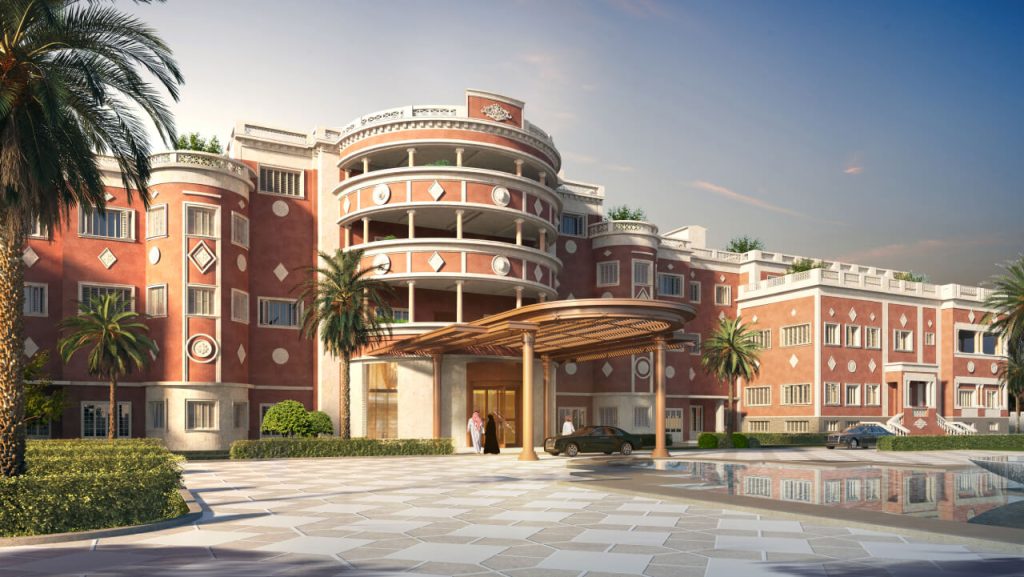
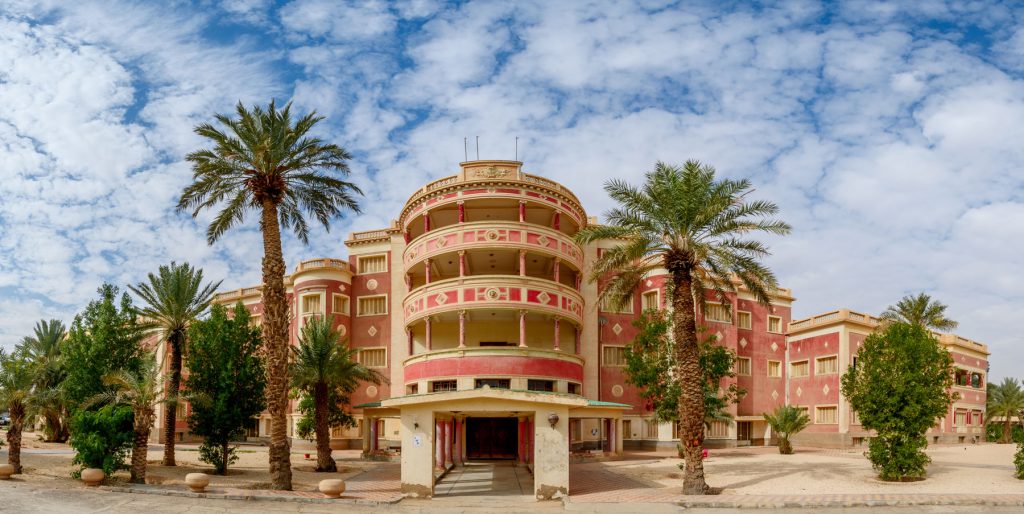
The background: King Abdulaziz Al Saud built the Red Palace in 1942 for his son, King Saud bin Abdulaziz, and the structure introduced reinforced concrete construction to Riyadh for the first time. The palace later served as headquarters for the Council of Ministers and the Court of Grievances until 1988, hosting foreign heads of state and royal banquets throughout those decades.
Behind the design, architects at Aedas and Tristan Auer translated traditional Najdi motifs and Art Deco elegance into a contemporary visual language. Warm tones inspired by the Rose of Taif define the palette, and the concept honors the original building while giving it a fresh identity for global travelers.
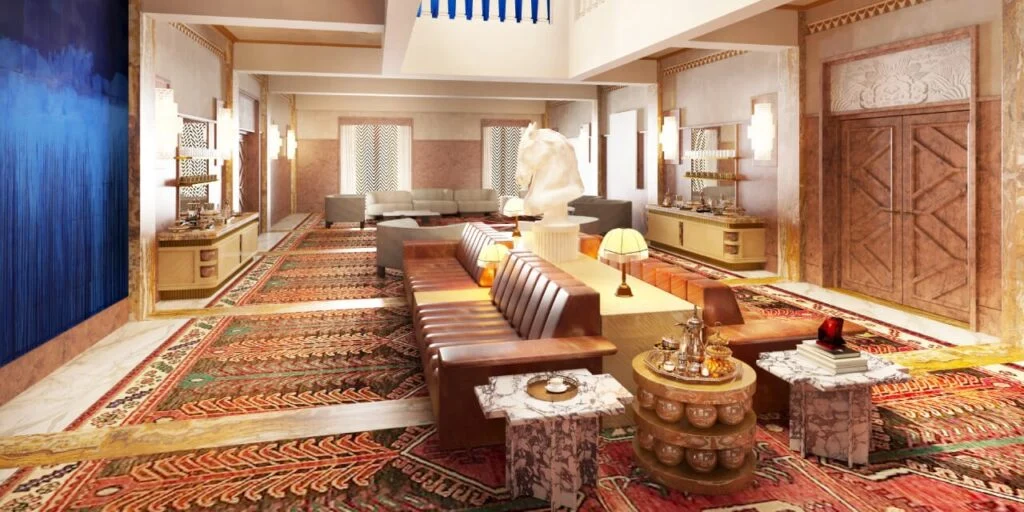
What they’re saying: “This visual identity marks the beginning of a story that we are proud to be part of. It draws inspiration from the palace’s history and authentic architectural details, reflecting our commitment to preserving this heritage and presenting it to the world in a manner befitting its historical significance,” said Sami Alogla, Head of Marketing and Branding at Boutique Group.
The hotel will offer more than 70 keys, including 26 deluxe rooms, 44 luxury suites and a grand royal suite. Guests will also access eight private spa suites, seven event spaces and five food and beverage outlets, alongside personalized butler service throughout their stay.
Vision 2030 Accelerates Tourism Growth
By the numbers:
- Saudi Arabia welcomed 122 million domestic and international visitors in 2025, a 5% rise from 2024, according to the Ministry of Tourism
- Tourism spending climbed 6% year-on-year to roughly SR300 billion, or about $81 billion
- Tourism now makes up close to 5% of the Kingdom’s GDP
- Officials originally targeted 100 million visitors by 2030 but hit that mark five years early, so they raised the goal to 150 million
“The tourism industry is a powerful connector of countries, and Saudi Arabia hopes to attract 150 million visitors per year by 2030,” Tourism Minister Ahmed Al Khateeb said at the World Economic Forum in Davos.
Strategic Investments Fuel Infrastructure Growth
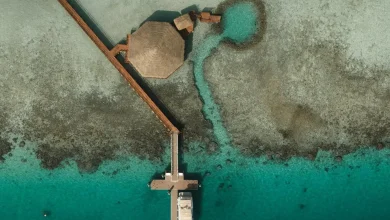
Zoom in: Major national infrastructure developments fuel these ambitious targets across the Kingdom. Developers plan to add hundreds of thousands of hotel rooms this decade. Giga-projects like NEOM, the Red Sea, AMAALA, and Qiddiya have successfully transitioned into active hospitality operations.
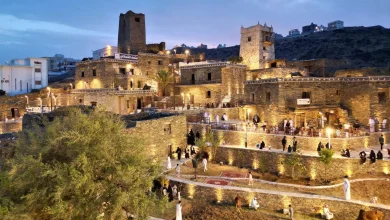
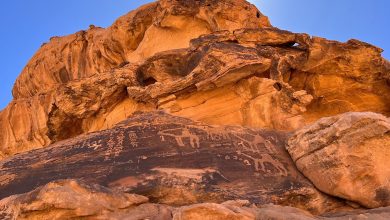
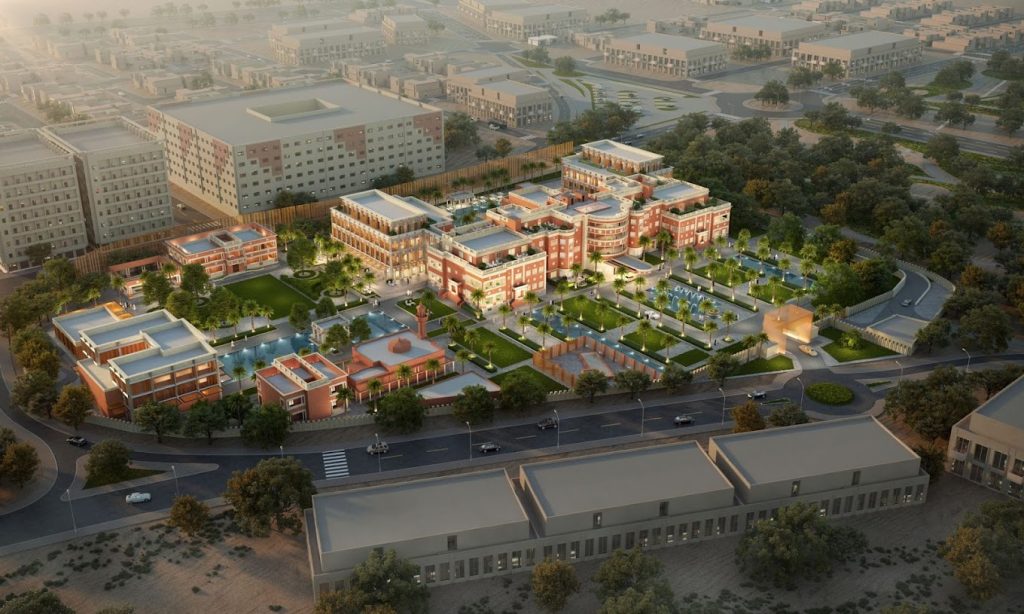
Between the lines: Heritage hospitality plays a crucial role within this nationwide expansion strategy. Besides converting the Red Palace, Boutique Group is restoring Tuwaiq Palace in Riyadh and Al-Hamra Palace in Jeddah into luxury venues. Meanwhile, historic destinations like AlUla and Madinah now rank among top global destinations.
Boutique Group collaborates closely with Saudi historians, local master artisans, and international architects. Consequently, this collaborative approach guarantees complete historical integrity and structural authenticity for every restoration project.
What’s next: Saudi Arabia enters the final Vision 2030 phase from 2026 through 2030. The Kingdom aims to split its 150-million target between 80 million domestic and 70 million international tourists. Major events like Expo 2030 and the 2034 FIFA World Cup will test national capacity. Private investments will drive further expansion across Diriyah and Qiddiya through 2029. Ultimately, project openings like the Red Palace anchor the Kingdom’s footprint.