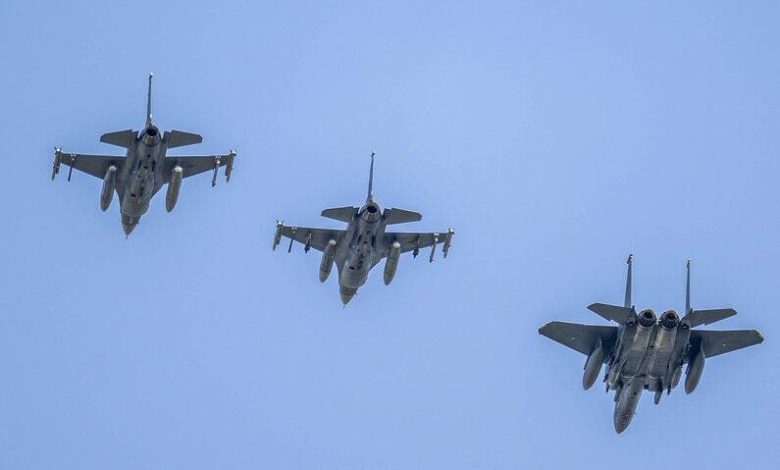
Saudi Arabia and the US have taken decisive, coordinated military action against Iran-backed militias in Iraq by launching precision strikes on their targets in the eastern of Iraq linked to recent drone attacks on the Kingdom’s oil facilities, the Ministry of Defense announced on Wednesday.
Why it matters: The Kingdom is no longer only defending its own skies. Instead, it is now hitting back inside a third country, alongside Washington, as Iran’s regional network keeps targeting Gulf energy sites and American bases.
The big picture: For years, Tehran has systematically deployed its regional proxy network to destabilize the Middle East. These hostile proxies include Houthi forces in Yemen, regional groups, and radical paramilitary factions operating within Iraq. These groups frequently execute targeted strikes against critical maritime routes and international energy facilities. However, the latest drone offensive on Saudi petroleum facilities forced a direct military response from coalition forces.
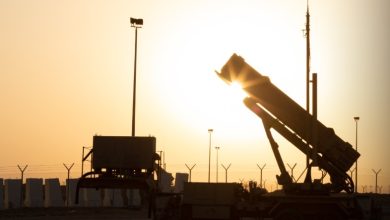
What happened: Saudi air defenses intercepted several drones over the past two days. The drones, according to the Ministry of Defense, targeted oil facilities in the Eastern Province and the Riyadh region on Monday and Tuesday. Defense Ministry spokesperson Maj. Gen. Turki Al-Malki traced the attacks to Iraqi territory, blaming Iran-backed militias for launching them.
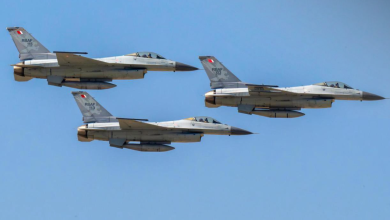
On Wednesday, Saudi forces and US Central Command (CENTCOM) responded. Fighter aircraft from both countries hit militia logistics and weapons sites across eastern Iraq. Al-Malki reaffirmed Saudi Arabia’s inherent right to self-defense under Article 51 of the UN Charter. “Saudi Arabia does not seek escalation but will respond to any attack against the Kingdom at a time and place of its choosing,” Al-Malki declared.
صرح المتحدث الرسمي باسم وزارة الدفاع اللواء الركن تركي المالكي أنه إلحاقاً للبيانين الصادرين من وزارة الدفاع يومي الاثنين (١٣ صفر ١٤٤٨هـ) والثلاثاء ( ١٤ صفر ١٤٤٨هـ) الموافقين ( ٢٧- ٢٨ يوليو ٢٠٢٦م) من أن الدفاعات الجوية اعترضت ودمرت عدداً من المسيّرات التي حاولت استهداف منشآت… pic.twitter.com/0Pei5KwSkQ
— وزارة الدفاع (@modgovksa) July 29, 2026
Furthermore, CENTCOM, for its part, said the strikes hit Iran-aligned fighters. The Islamic Revolutionary Guard Corps (IRGC), it added, had directed those fighters against US forces and Saudi energy infrastructure. The command tied the operation to more than 30 drone attacks in 72 hours. It further warned that Iran’s proxies “must cease these attacks” or face additional US action.
— U.S. Central Command (@CENTCOM) July 29, 2026
Proxy Wars and Shipping Risks
The strikes come as Yemen’s Iran-backed Houthis claimed attacks on two Saudi oil tankers in the Red Sea last week, citing a maritime blockade. It then threatened to blockade the Bab El-Mandeb Strait, a chokepoint that carries a large share of global energy shipments. As a result, several vessels have already rerouted around Africa, and oil prices have climbed on the added risk. The US has warned Iran it will hold Tehran responsible for Houthi actions, calling them a proxy.
Meanwhile, the Strait of Hormuz remains contested, with Iran asserting control and threatening to charge fees for passage. This has disrupted global energy flows and rattled bond markets. The UN has warned against further escalation in the US-Iran war and the risks to global shipping amid the fight over control of the Strait of Hormuz.
Iraq’s Prime Minister has faced calls from Gulf states and Jordan to halt attacks from its territory. Baghdad has pledged to prevent its soil from being used for aggression. However, Iran-aligned militias, including Kataib Hezbollah and Asaib Ahl al-Haq, continue to operate with impunity.
Regional Stability and Diplomatic Accountability
The Saudi Ministry of Foreign Affairs condemned these persistent hostile actions in strong terms. Diplomatic officials emphasized that Iranian proxies launched these strikes while Riyadh actively pursued regional de-escalation. The ministry sharply criticized these terrorist militias for deliberately choosing an irresponsible path of dangerous escalation. Official statements noted that these groups “violated international law.” Furthermore, they “disregarded the obligations of Islamic brotherhood, including adherence to the principles of good neighborliness.”
#بيان | إلحاقاً للبيانين الصادرين من وزارة الخارجية يومي الإثنين ١٣ / ٢ / ١٤٤٨هـ (الموافق ٢٧ / ٧ / ٢٠٢٦م) والثلاثاء ١٤ / ٢ / ١٤٤٨هـ (الموافق ٢٨ /٧ / ٢٠٢٦م) بشأن ما تعرضت له المملكة من اعتداءات مستنكرة بطائرات مسيرة أطلقتها الميليشيات الموالية لإيران في العراق، وما تضمنه البيانان… pic.twitter.com/bKdrOxK4Vh
— وزارة الخارجية 🇸🇦 (@KSAMOFA) July 29, 2026
Additionally, Riyadh renewed its firm demand for the Iraqi government to exercise full authority over its territory. Iraqi leadership must take immediate measures to prevent militant groups from launching cross-border attacks against neighboring states.
Defending National Assets
What’s next: Saudi Arabia insists it still wants to contain the fire, not spread it. The Foreign Ministry said the Kingdom had been working to ease regional tensions even as the militias escalated. However, it also warned that Riyadh “will not hesitate to take all necessary measures” against future attacks.
Even so, this week marks a turning point. Since the war began in February, Saudi forces mostly intercepted drones and missiles over their own territory. Now, they are striking offensively alongside Washington. This shift, in turn, raises the stakes for Iran’s remaining partners in both Iraq and Yemen.
The bottom line: Saudi Arabia is signaling that defense alone is no longer enough. Iran’s regional militias now face coordinated pressure from Riyadh and Washington on two fronts at once. The coming days will show whether that pressure holds them back, or instead pushes them toward a wider fight.