Northeast Riyadh Plan Sets Course for New Development, Investment Hub
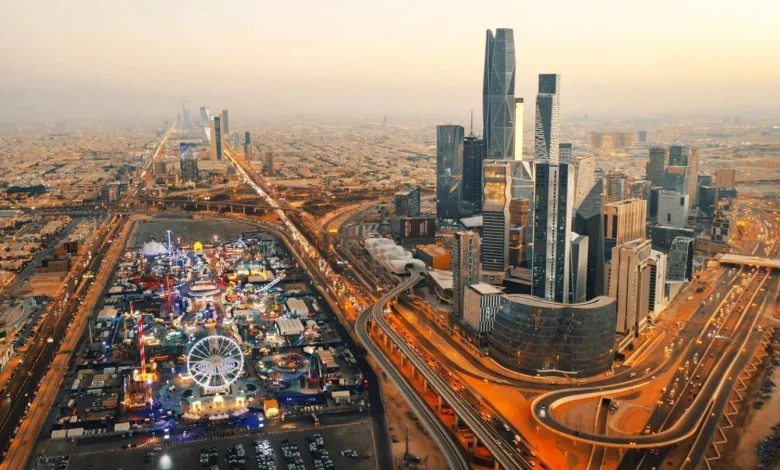
The Royal Commission for Riyadh City has completed the initial master plan for northeast Riyadh, covering approximately 456 square kilometers and establishing a comprehensive framework for one of the capital’s main urban expansion areas over the next decade.
The area’s strategic location gives the plan significance beyond that of a conventional residential extension. Northeast Riyadh is connected to King Khalid International Airport, Al-Sulai Valley, Dammam Road and Al-Janadriyah Road.
According to a commission statement carried by the Saudi Press Agency (SPA), the plan presents an integrated land-use vision based on a long-term urban model. It provides for phased expansion and the development of fully serviced communities that combine residential, economic, recreational and natural uses in a balanced manner.
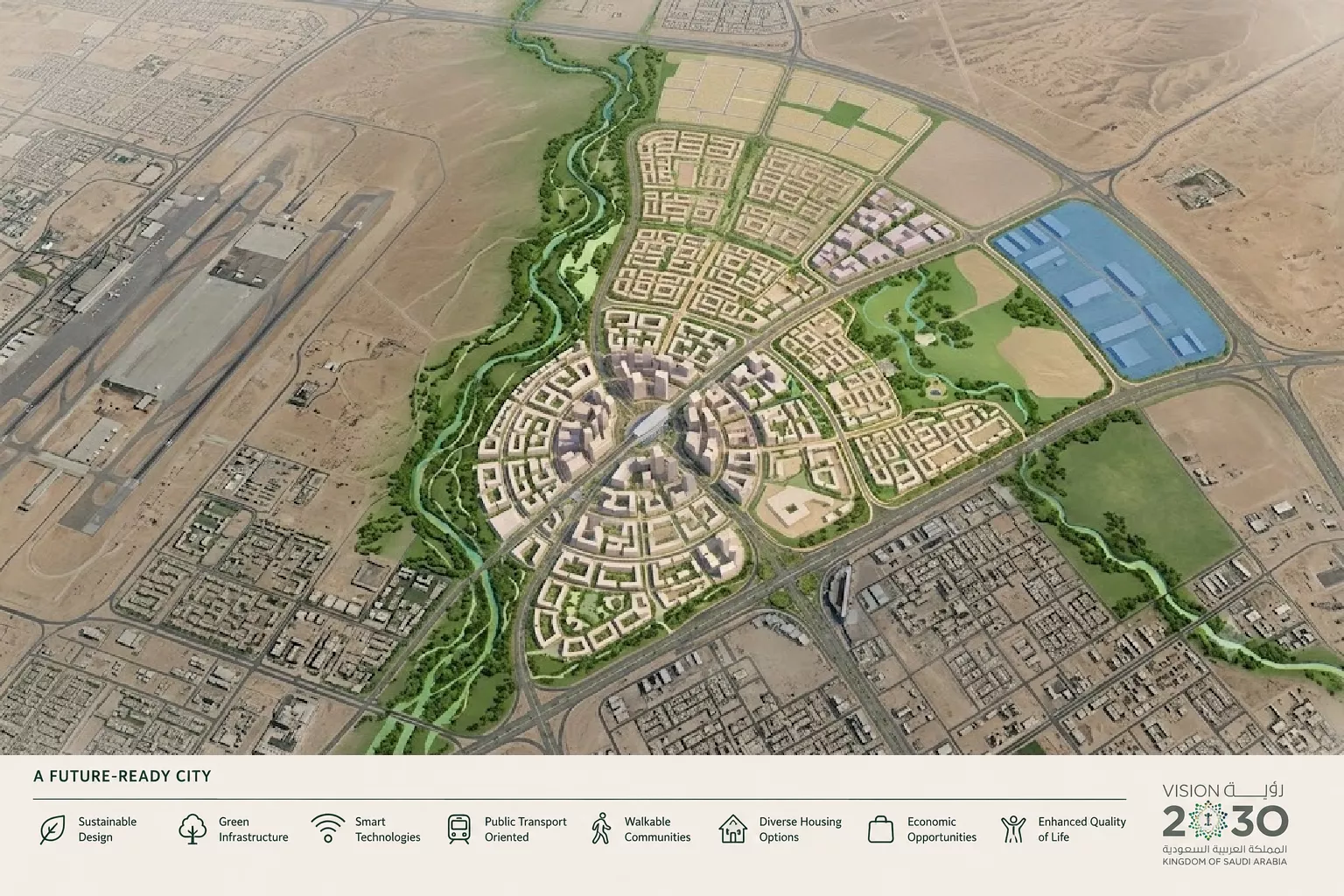
Minister of Municipalities and Housing Majed Al-Hogail said completing the plan represented another milestone in Riyadh’s urban development. He highlighted its focus on bringing housing closer to essential services, connecting neighborhoods through efficient transport networks and preparing future growth centers that support economic diversification.
Development Already Underway
The plan comes as several parts of northeast Riyadh are already experiencing rapid residential growth.
At the forefront of this expansion is Al-Fursan, a National Housing Company (NHC) project covering more than 35 million square meters and set to include more than 69,000 homes. The company began handing over about 2,000 units at the start of this year.
Designed to accommodate more than 250,000 residents, the project will include over 190 educational, healthcare, sports and recreational facilities, in addition to more than 6 million square meters of green space.
The area is also home to the East Gate project, along with a number of investment developments involving deals worth more than 5 billion riyals ($1.33 billion) to build thousands of homes and supporting facilities.
New Real Estate Hub
Khaled Al-Mobid, chief executive of Menassat Realty Co., said the plan was unlikely to shift the center of gravity of Riyadh’s property market entirely away from the north of the capital.
Instead, he told Asharq Al-Awsat, it would establish a new development hub and distribute growth more evenly across Riyadh.
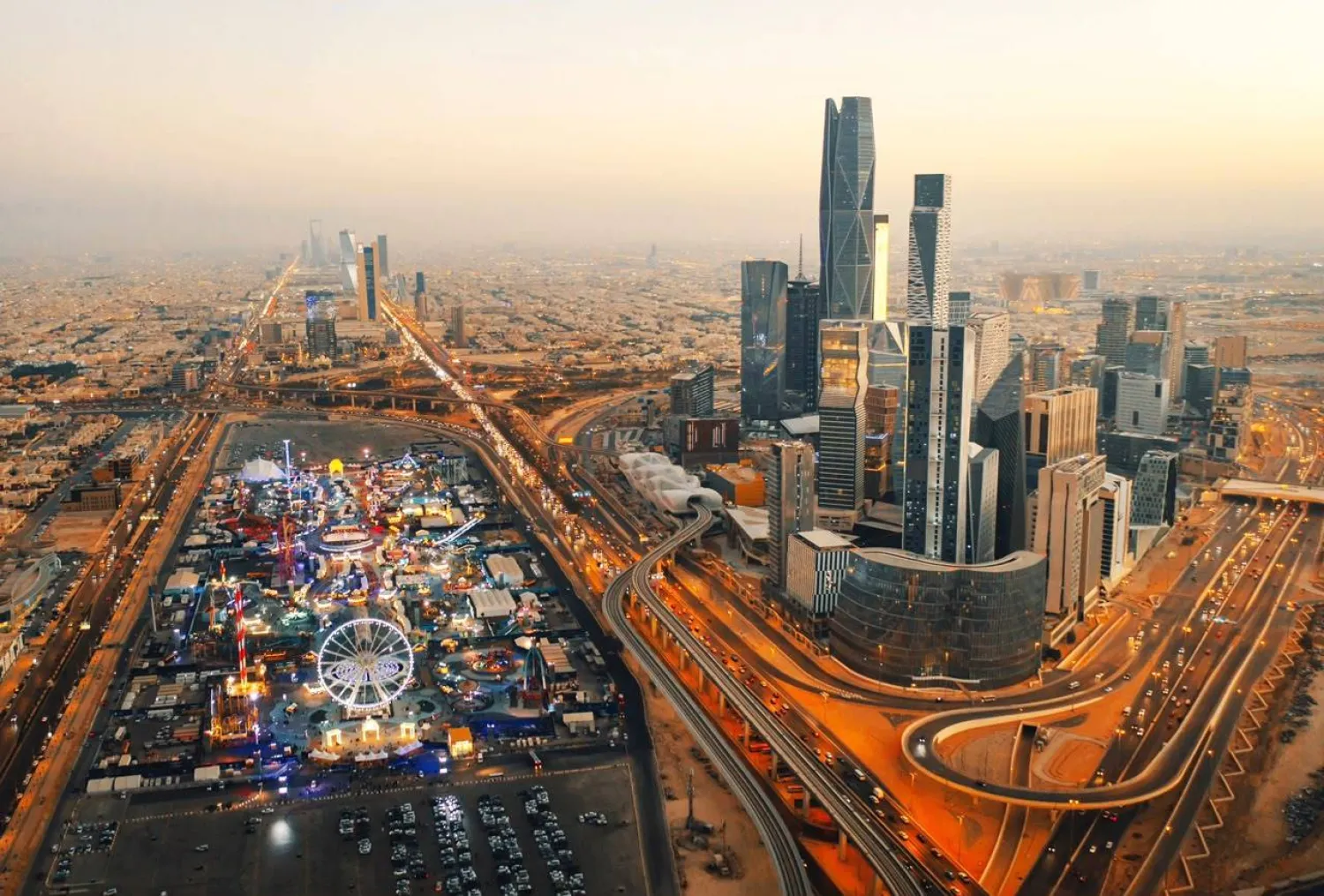
Al-Mobid said the plan’s success would depend largely on the speed at which roads, transport networks and essential services are delivered. People move to new districts when quality of life and job opportunities come together, he said, rather than simply because land is available.
He expects the announcement to generate early interest among investors, leading to more inquiries and property purchases. At the same time, he cautioned against confusing price increases supported by clear implementation plans with speculative gains.
Broader Economic Significance
Khalid Al-Jasser, a real estate developer and president of Amaken International Group, said the plan carried a broader economic message.
It signals the government’s continued commitment to long-term strategic projects and a stable investment environment, he said, creating new opportunities for the private sector and investors.
The project, Al-Jasser added, is not merely about releasing developed land. Rather, it aims to create a new urban and economic center capable of generating future demand as the implementation of Vision 2030 targets accelerates.
Beyond Housing
Al-Jasser said the plan’s real value lies in creating an integrated economic ecosystem that brings together housing, commerce, services and entertainment. This combination would make the area more attractive to residents and investors alike.
According to Al-Mobid, some of the strongest opportunities are likely to emerge in mid-priced housing, education, healthcare, retail and hospitality.
Growth in the office sector, he added, would depend on the area’s ability to attract economic activity. Its proximity to King Khalid International Airport and Dammam Road could also support the development of logistics activities.
Toward More Polycentric Riyadh
Al-Mobid said the project would reshape patterns of housing, work and investment across eastern and northeastern Riyadh. Neighboring districts could also benefit from improved infrastructure and services.
Over time, he said, Riyadh is likely to move toward a more polycentric urban model, without diminishing the appeal of its established areas.
What Investors Should Monitor
Over the next five to 10 years, Al-Mobid expects housing supply to increase and new urban and economic centers to emerge. These developments are likely to reshape property prices according to the quality of each project and the pace at which infrastructure is completed.
He said investors should monitor the rollout of roads and utilities, land-use approvals, project-launch phases, supply levels and actual transaction prices, along with public transport projects.
The key consideration, he added, should be whether development is economically viable—not simply whether land prices are rising.
Planning Takes Priority
Both experts said the factors shaping property valuations are changing. Infrastructure quality, accessibility, integrated services and project sustainability are becoming more important to investment decisions than location and land prices alone.
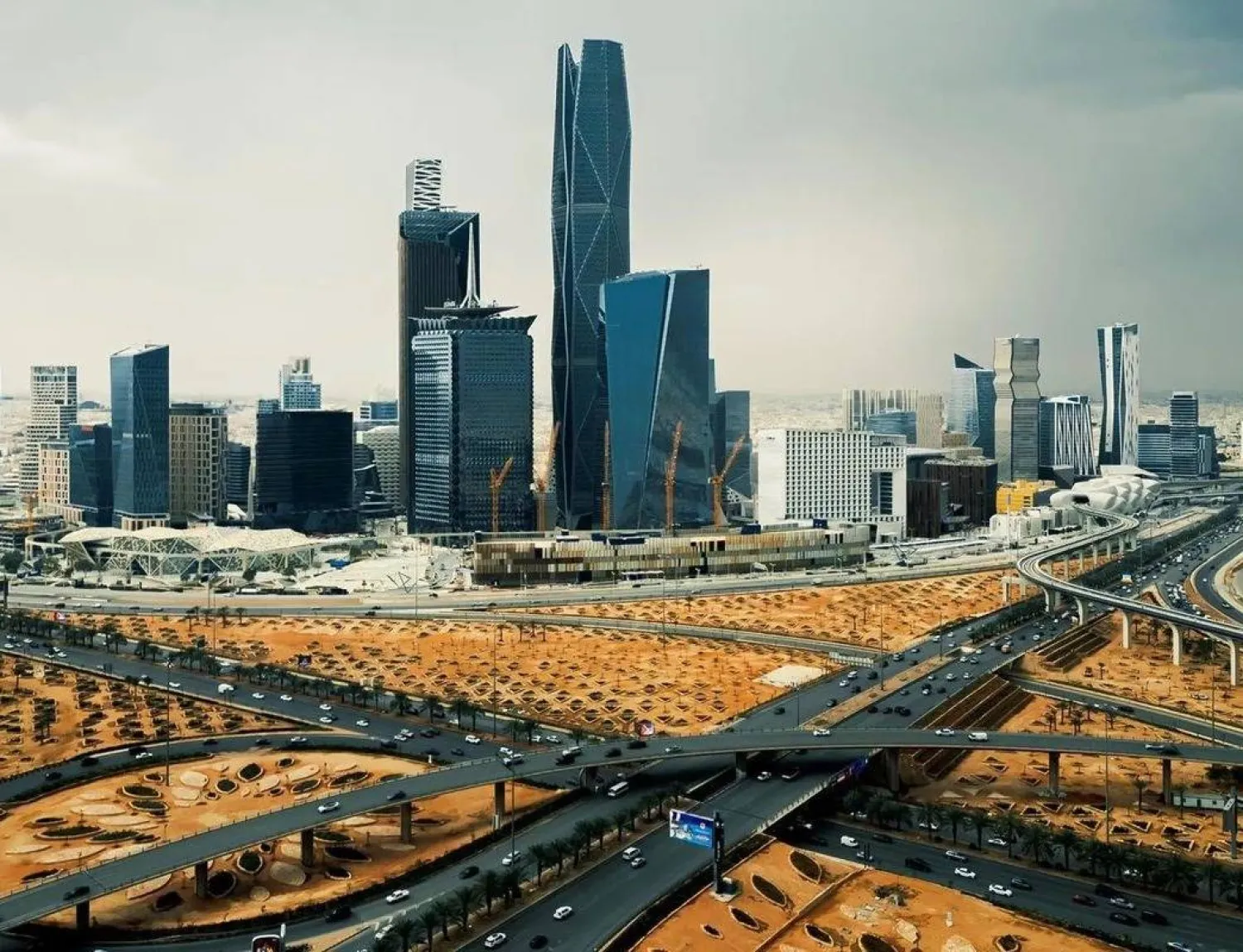
Al-Mobid said the plan reflects Riyadh’s shift away from conventional urban sprawl toward integrated communities. In this model, future property values will increasingly depend on the quality of the urban environment, rather than the address alone.
Appeal to Foreign Investors
Al-Jasser said the plan could also enhance the Saudi market’s appeal to global investment funds. It reflects a clear government vision, continued spending on major projects and long-term growth opportunities within a stable investment environment.
By reshaping property demand and supporting the goals of Vision 2030, the northeast Riyadh master plan is positioned to become more than another outward expansion of the capital.
It marks a step toward a more polycentric Riyadh, where property values are shaped as much by planning and services as by location and price.
Related Topics:
Five Azerbaijani Citizens Killed in Attacks on Cargo Vessels in Sea of Azov
Cities of Possibility: Advancing Quality of Life in Saudi Urban Living
Makkah Taxi Fleet Paves Way for Sustainable Urban Transport
NHC Signs MoU with K. Hovnanian ME to Develop Urban Projects