UNSC Push: Saudi-Bahraini Synergy for International Action Against Houthi Aggression
Saudi Arabia and Bahrain are closely coordinating to mobilize the UN Security Council (UNSC) against Houthi attacks, leveraging Manama’s non-permanent seat at the Council as the outspoken voice of the Arab World.
This synchronized diplomatic effort reflects the deep alignment among the member states of the Gulf Cooperation Council (GCC) to take collective measures in the face of shared threats to regional security and stability.
Saudi-Bahraini Diplomatic Push
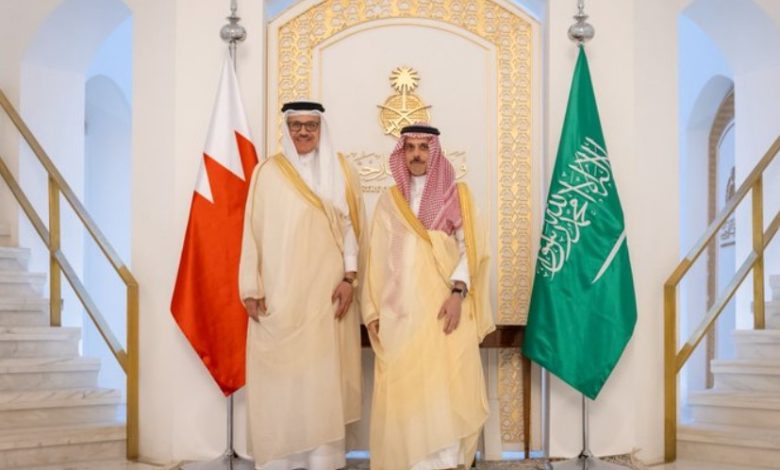
The Big Picture: Saudi Foreign Minister Prince Faisal bin Farhan and his Bahraini counterpart Abdullatif bin Rashid Al-Zayani held phone discussions on Monday, October 12, 2026, according to a statement released by the Saudi Foreign Ministry.
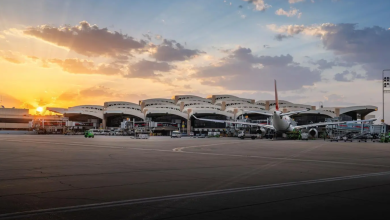
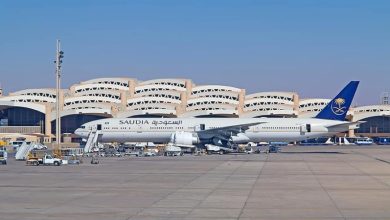
During the call, Al-Zayani reiterated Bahrain’s full solidarity with the Kingdom following the blatant Houthi attacks on King Khalid International Airport in Riyadh.
Go Deeper: The Bahraini Foreign Minister reaffirmed Manama’s unwavering support for all measures Riyadh takes to safeguard its sovereignty, security, and stability, and protect its citizens and residents.
According to the Bahraini Foreign Ministry, the top diplomats of Saudi Arabia and Bahrain explored ways to further strengthen coordination and consultation regarding a collective Gulf diplomatic push in the UNSC, leveraging Manama’s status as a non-permanent member of the Council to mobilize international support for decisive action against Houthi terrorist attacks on the Kingdom.
Bahrain as a Strategic UNSC Conduit
State of Play: Assuming its seat in January 2026, Bahrain serves as a non-permanent UNSC member for a two-year term, joining ten non-permanent members and the five permanent veto-wielding members.
During its term, Bahrain assumes significant diplomatic, logistical and financial commitments, including discussions on conflict prevention, peacekeeping operations, sanctions regimes, counter-terrorism efforts and responses to emerging global crises.
Why It Matters: Manama’s presence in the UNSC gives the GCC and the wider Arab region an active voice in drafting and negotiating international resolutions, communicating regional security imperatives to the international community.
Bahrain has many tools at its disposal to advocate for coordinated action against the Houthi threat, in accordance with the UN Charter and international law:
- Enforcing Existing Mandates: Mobilizing UNSC support to implement relevant resolutions, specifically Resolution 2216 (2015), which demands an arms embargo on the Houthis and their unconditional withdrawal from seized territories such as Sanaa, and Resolution 2722 (2024), which calls for an immediate end to Houthi attacks on commercial shipping in the Red Sea.
- Sponsoring Binding Draft Resolutions: Pushing for expanded sanctions, tightened arms embargoes, and stricter maritime enforcement mechanisms under Chapter VII of the UN Charter.
- Convening Emergency Briefings: Bringing immediate international attention to unprovoked Houthi strikes on civilian targets or commercial vessels.
Diplomatic Track Record
Reality Check: In March 2026, the UNSC adopted the Bahraini-sponsored Resolution 2817, which condemns Iranian missile and drone attacks against GCC countries and Jordan, demands the immediate cessation of all attacks, and addresses interference with maritime navigation in the Strait of Hormuz and Bab al-Mandab.
Catch Up Quick: Bahrain strongly condemned the repeated Houthi attacks against Saudi Arabia, pledging steadfast support for the Kingdom in international platforms.
What It Said: “As the Kingdom of Bahrain fulfills its responsibilities as a non-permanent member of the Security Council, it will continue to work with the Gulf Cooperation Council countries and international partners to ensure a firm UN response.” – Bahrain’s Foreign Ministry noted in a statement in September 2026.
Houthis: A Trans-Regional Threat
The Backstory: After four years of relative calm, the Iranian-backed Houthi militia escalated attacks against the Kingdom, targeting its civilians and civilian infrastructure with drone and ballistic missiles. Since July 2026, the terrorist militia has attacked Riyadh, Taif, Abha, Khamis Mushait, Jazan, and Najran. It also attempted to target the holy cities of Makkah and Madinah.
Most recently, the Houthis have repeatedly targeted Saudi Arabia’s airports, including King Khalid Airport in Riyadh, King Fahd Airport in Dammam, as well as Abha, Jazan, and Najran airports, killing dozens of civilians and injuring hundreds.
Alarm Raised: Saudi Arabia warned against the direct threat posed by the Houthis to global maritime trade and international security, stressing that safeguarding international navigation and the sustainability of global supply chains is a shared responsibility that requires serious international cooperation to prevent disruptions to global commerce.
In light of this, it urged the international community to assume its responsibilities in preserving international peace and security and to end the Houthi threat to regional security and freedom of navigation, calling on the UNSC to implement resolutions 2216 (2015) and 2722 (2024).
A Unified GCC Front
Between the Lines: The GCC member states have maintained a unified stance on the recent regional developments, rallying their political, economic, and diplomatic leverage to address shared threats.
The Catalyst: Anchored in the Joint Defense Agreement, the GCC has enhanced military cooperation and built a comprehensive defense system capable of protecting the member states’ assets and resources while confronting external threats under the Joint Defense Council and the GCC Unified Military Command (UMC).
The UMC coordinates collective defense, intelligence sharing, and regional security among the six GCC members. In September 2025, the GCC Joint Defense Council directed the UMC to take the necessary executive measures to activate joint defense mechanisms and Gulf deterrence capabilities under the Joint Defense Agreement.
The Bottom Line: By leveraging Bahrain’s UNSC seat, Riyadh and Manama demand concrete accountability for Houthi attacks, ensuring that Gulf security becomes an undeniable international priority.