Gulf Women’s Day: How Saudi Arabia’s Reform Blueprint Inspired a Unified GCC Observance
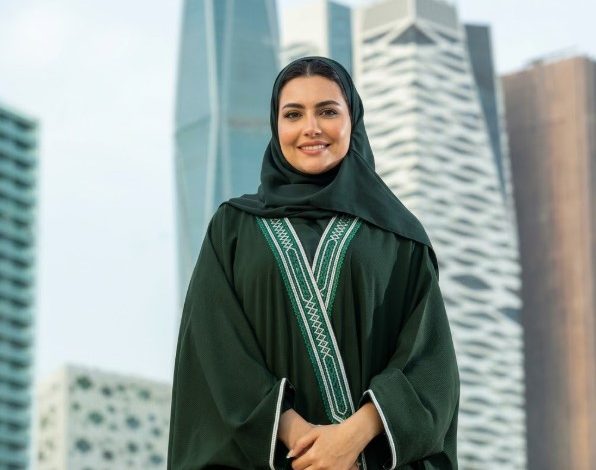
The Gulf Cooperation Council (GCC) countries have established March 4 as the annual Gulf Women’s Day – a regional occasion to celebrate female achievement across member states.
This landmark decision was made in response to a proposal from Saudi Arabia, underscoring the Kingdom’s leadership in championing women’s rights and cementing their role as a major driving force for economic and social development under Vision 2030.
A GCC Consensus
Driving the News: During their 12th meeting, the GCC Ministers of Social Affairs and Development agreed to designate March 4 of each year as “Gulf Women’s Day.” The decision originated from a proposal by Saudi Arabia’s Family Affairs Council, building on regional cooperation within the GCC Standing Committee on Women’s Affairs.
The Big Picture: The decision demonstrates a shared Gulf commitment to supporting women, celebrating their achievements, and boosting their contribution to family, society, and sustainable development.
The March 4 Symbolism
Between the Lines: The choice of March 4 to mark Gulf Women’s Day draws inspiration from Article 4 of the GCC Charter, which maps out the core pillars of the GCC: integration, coordination, and interdependence, positioning women at the heart of joint economic and social development.
Moreover, it comes four days before International Women’s Day, which falls on March 8, setting the stage for GCC nations to showcase cultural identity and regional milestones across various sectors through a distinct platform.
Saudi Vision 2030 Blueprint
State of Play: In line with Vision 2030, Saudi Arabia has placed great emphasis on women’s empowerment as a catalyst for economic growth and social development, encouraging female labor participation and leadership roles.
By the Numbers:
- 35%: Female labor participation in 2025, surpassing the original 30% target of Vision 2030.
- 40%: Vision 2030’s revised target for female labor participation.
- 45%: Saudi women leading small and medium-sized enterprises (SMEs) across the Kingdom.
- Over 1.3 million: Saudi women entering key industries, such as technology, aviation, diplomacy, finance, and logistics, since the launch of Vision 2030 in 2016.
- 80/100: Saudi Arabia’s score in the World Bank’s “Women, Business and the Law (WBL) Report” in 2021.
The Catalyst: This landmark progress is driven by sweeping reforms and amendments under Vision 2030. These included increasing female quotas in hiring, prohibiting gender-based wage discrimination, permitting women to start businesses and open bank accounts without guardian authorization, allowing women to work in more fields, and removing restrictions that required male guardian consent for women to obtain passports or travel.
The Impact: Saudi Arabia has emerged as one of the fastest economies progressing toward gender parity, according to the World Economic Forum (WEF) Global Gender Gap Report 2026. Saudi women now hold senior positions across various fields, with the Kingdom appointing female ambassadors, university heads, and corporate board members.
The Takeaway: The designation of Gulf Women’s Day, upon Saudi Arabia’s proposal, reflects the elevated status of women in the Middle East. It draws inspiration from the Kingdom’s transformative journey, underscoring the interplay between social and legislative reforms, cultural identity, and economic growth.