At the UN Security Council (UNSC) in New York, Saudi Arabia has laid out its core approach to addressing the Houthi threat: taking a firm stand on self-defense and national security while remaining committed to a peaceful resolution in Yemen.
Riyadh has exposed the scale of the threat posed by the Iranian-backed militia to global maritime trade and international security, asserting that the Kingdom will not allow Yemen to become a platform for threatening its security or freedom of navigation.
Drawing the Lines at UNSC
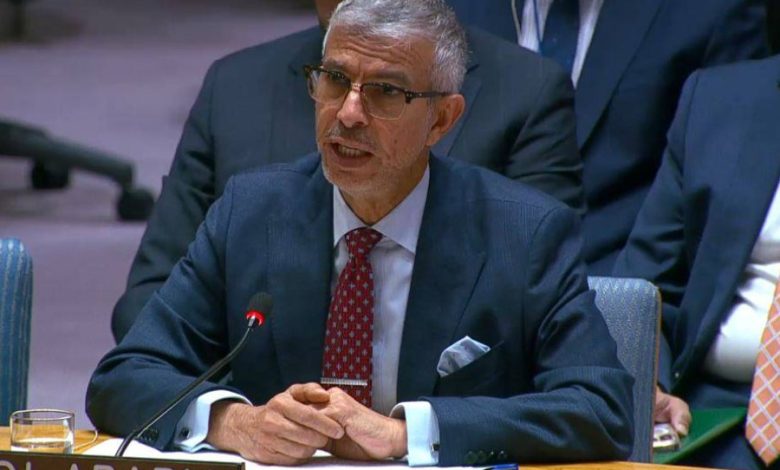
Driving the News: Saudi Arabia’s Permanent Representative to the UN, Ambassador Dr. Abdulaziz Alwasil, addressed the UNSC session on Yemen on Friday, October 9, 2026, condemning Houthi attacks against civilians and civilian infrastructure in the Kingdom.
The Big Picture: Alwasil stressed Saudi Arabia’s right to self-defense and to take all necessary measures to protect its security and deter attacks in line with the UN Charter and international law. He warned that the militia threat extends far beyond Yemen and the region, endangering international peace, security, global trade, and supply chains.
What He Said: “The terrorist Houthi militia continues to threaten maritime navigation and international trade in the Red Sea and the Bab al-Mandab Strait, targeting ships and economic facilities, thereby jeopardizing regional security and stability as well as the safety of global energy supplies.” – Abdulaziz Alwasil, Saudi Arabia’s Permanent Representative to the UN.
The Evolving Houthi Threat
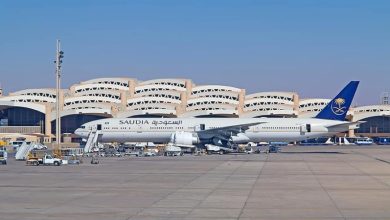
The Context: In his speech, Alwasil outlined the escalating attacks by the Iranian-backed militia against civilians and vital facilities in the Kingdom. On October 8, the Houthis carried out two attacks on King Khalid International Airport in Riyadh, killing three Saudi citizens and injuring several others.
The militia also attacked Abha and King Khalid International Airports on October 6 and 7, killing three civilians and injuring 36 others of various nationalities. These attacks followed similar ones on Jazan and Najran airports.
This blatant escalation included missile and drone attacks on several Saudi cities, such as Riyadh, Taif, Abha, Khamis Mushait, Jazan, and Najran, as well as attempted attacks on the holy cities of Makkah and Madinah.
State of Play: Alwasil warned that continued external military and technical support for the Houthis, including the transfer of expertise and the enhancement of their military capabilities, has fueled chaos, the spread of weapons outside state control, and threats to security in Yemen and the region.
No Tolerance for the Houthis
The Pivot: The Saudi representative emphasized that Riyadh will not allow Yemen to become a platform for threatening its security or freedom of navigation in the Red Sea and the Bab al-Mandab Strait.
Zoom In: The Saudi-led Arab Coalition to Restore Legitimacy in Yemen said that it had launched a large-scale operation against the Houthis, during which it destroyed 136 military targets. The operation is part of Dawn of Yemen campaign, a counteroffensive launched by the internationally recognized government of Yemen to restore state authority and end the Houthi coup.
The Saudi-led Coalition is providing air support for the Yemeni Armed Forces. The Coalition’s Spokesperson, Maj. Gen. Turki Al-Malki, posted footage showing Houthi elements fleeing their positions as government forces advanced in the Bab al-Mandab area.
Championing Yemen Peace
Between the Lines: During his address, Alwasil highlighted Houthi crimes against the Yemeni people, including internal blockades, forced displacement, starvation, terrorizing women, and recruiting children. He warned that the militia’s choice of military escalation over peace will only prolong the crisis, deepen the suffering of the Yemeni people, and undermine regional and international efforts toward a comprehensive political solution.
In light of this, Alwasil reiterated the Kingdom’s full support for the Yemeni people in their efforts to end the Houthi coup and restore the state and its institutions. Moreover, he reaffirmed Riyadh’s support for UN Special Envoy Hans Grundberg’s efforts to reach a comprehensive, Yemeni-led political settlement that preserves Yemen’s unity, sovereignty, independence, and territorial integrity and meets the Yemeni people’s aspirations for security, stability, and development.
The Backstory: Since 2011, Saudi Arabia has advocated for a peaceful settlement to the crisis in Yemen, engaging with friendly countries and the UN Special Envoy in diplomatic efforts and initiatives to establish peace in Yemen. However, the Iranian-backed militia has consistently chosen military escalation, obstructed a comprehensive political solution, reneged on its commitments, dragged the Yemeni people into conflicts that do not serve their interests, and threatened regional security and stability.
Yemen’s Economic Stability
Go Deeper: Saudi Arabia is one of the largest supporters of Yemen’s economy and development, channeling substantial financial aid through the Saudi Development and Reconstruction Program for Yemen (SDRPY) and the King Salman Humanitarian Aid and Relief Center (KSrelief) to boost economic stability and improve living conditions.
On October 4, the Kingdom provided SAR 224 million ($59.7 million), through SDRPY, in direct aid to the Central Bank of Yemen to cover critical public budget shortfalls and secure public-sector salary payments.
By the Numbers:
- Over $12.6 billion: Saudi Arabia’s economic and development support to Yemen between 2012 and 2026.
- Over $4.5 billion: Saudi Arabia’s humanitarian aid to Yemen between 2012 and 2026.
International Responsibility
What to Watch: Addressing the UNSC, Alwasil urged the international community to bear its responsibilities in preserving international peace and security and to end the Houthi threat to regional security and freedom of navigation. To this end, he called on the UNSC to enforce the relevant Security Council resolutions. These include Resolution 2216 (2015) on Yemen, which imposes a targeted arms embargo on the Houthis and calls on the militia to immediately and unconditionally withdraw from seized territories, including the capital Sanaa.
Alwasil also called for the implementation of Resolution 2722 (2024) on freedom of navigation in the Red Sea, which calls on the Houthis to immediately cease all attacks on merchant and commercial vessels.
The Bottom Line: Saudi Arabia has made clear that it will not compromise on its national security or citizen safety while keeping the window open for a political settlement that brings sustainable peace and stability to Yemen.