Red Sea & Holy Sites Targeted: Saudi Arabia Raises the Alarm on Houthi Escalation

Saudi Arabia has delivered a sharp warning to the world, cautioning that the escalating Houthi threats to maritime safety, trade flow, and energy security.
In response to the recent regional tensions, Riyadh has been firm in its position, making clear that the Kingdom’s sovereignty and territorial integrity are non-negotiable red lines. While championing diplomacy and de-escalation, Saudi Arabia will not tolerate any attack targeting its territory or national assets.
Maritime Security at a Crossroads
Driving the News: The UN Security Council (UNSC) held an emergency session on Yemen and the escalating Houthi threat to the Bab al-Mandab Strait, on September 15, 2026.
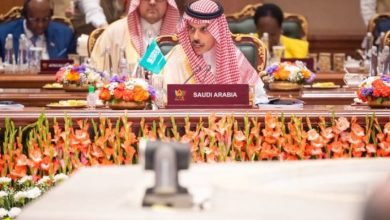
The Big Picture: Saudi Arabia’s Permanent Representative to the UN Ambassador Dr. Abdulaziz Alwasil warned of the threats posed by the Houthis to maritime security in the Red Sea and the Bab al-Mandab Strait, highlighting their potential implications for international trade and global supply chains.
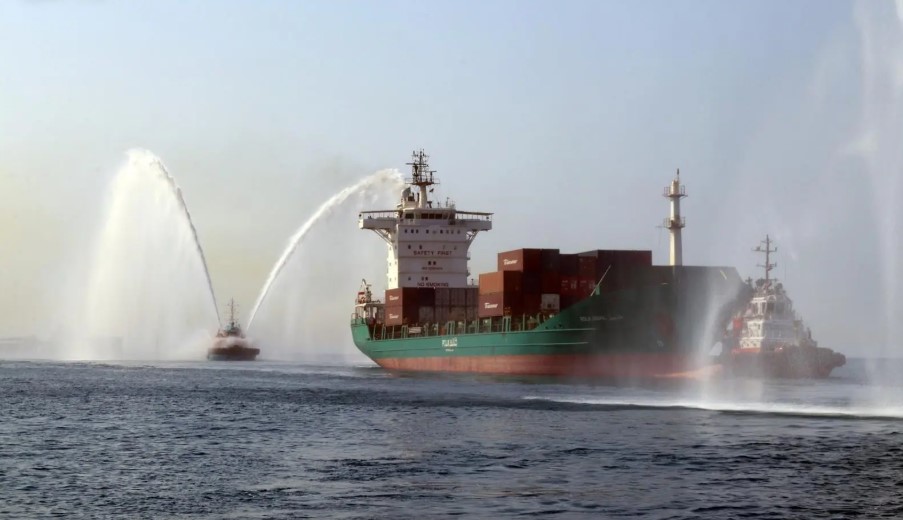
Why It Matters: Alwasil explained that the Iranian-backed militia is pursuing a policy of “choking the straits,” which bears severe repercussions for the global economy and international community.
A Call to Action
Between the Lines: The Saudi Ambassador emphasized that protecting vital maritime chokepoints is a “collective responsibility,” thus requiring a firm UNSC response and implementation of resolutions 2216 (2015) and 2722 (2024).
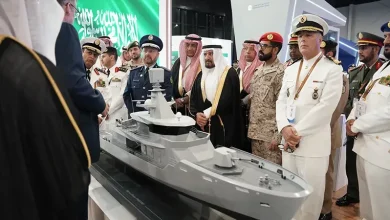
He also pointed to the Multinational Maritime Defense Coalition, launched by Saudi Arabia in late July 2026 to address and deter growing threats to maritime security, including attacks against commercial vessels, energy tankers, and naval infrastructure in the Bab al-Mandab Strait, the Red Sea, and the Gulf of Aden.
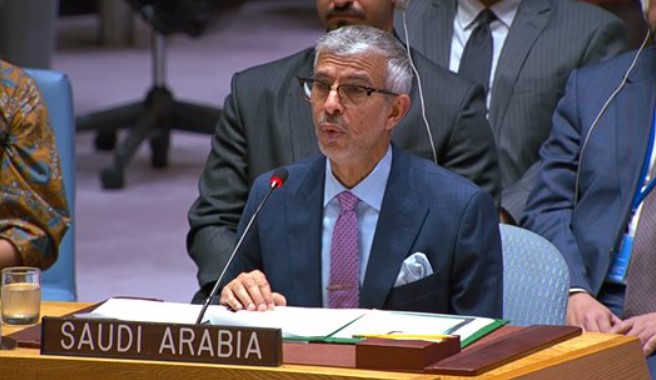
The Strategy: In his speech, Alwasil reiterated the Kingdom’s commitment to de-escalation, while reserving its right to defend its territory and citizens. He also emphasized Riyadh’s support for a political settlement in Yemen that preserves the country’s unity, sovereignty, and territorial integrity.
Defending Makkah
State of Play: On September 15, Royal Saudi Air Defense Forces intercepted and destroyed a hostile drone launched by the terrorist Houthi militia before it entered the prohibited airspace area of the Holy City of Makkah, the Spokesperson of the Coalition to Restore Legitimacy in Yemen, Major General Turki Al-Malki, announced.
What to Know: This attack marks the second Houthi attempt to target Makkah. The first was on July 27, 2017, involving a ballistic missile.
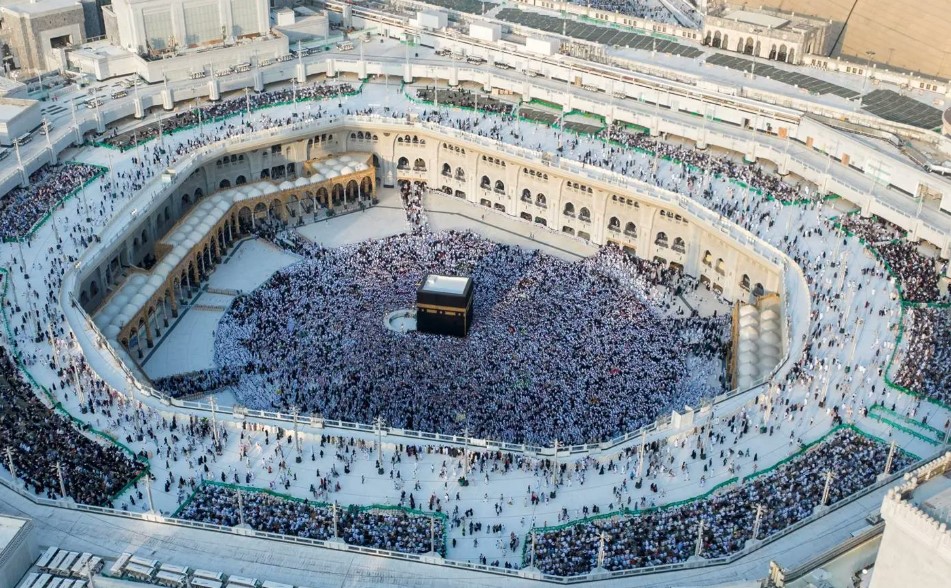
What He Said: “This hostile attempt will remain a mark of shame on the record of violations committed by the extremist terrorist Houthi militia, as it was a deliberate act intended to provoke the feelings of millions of Muslims.” – Major General Turki Al-Malki, Coalition’s Spokesperson.
The Impact: The drone attack on Makkah triggered wide condemnation from Arab and Muslim countries as well as Islamic organizations, expressing solidarity with Saudi Arabia.
Houthi Escalation
The Deep Dive: The Iranian-backed Houthi militia has escalated attacks against the Kingdom’s civilian and energy infrastructure and commercial shipping since mid-July, using the Yemeni Armed Forces’ interception of an unauthorized Iranian aircraft at Sanaa International Airport as a false pretext to target Saudi Arabia. In addition to maritime threats, the militia’s cross-border attacks have expanded to Abha, Khamis Mushait, Jazan and Najran, injuring dozens of civilians and causing damage to civilian buildings.
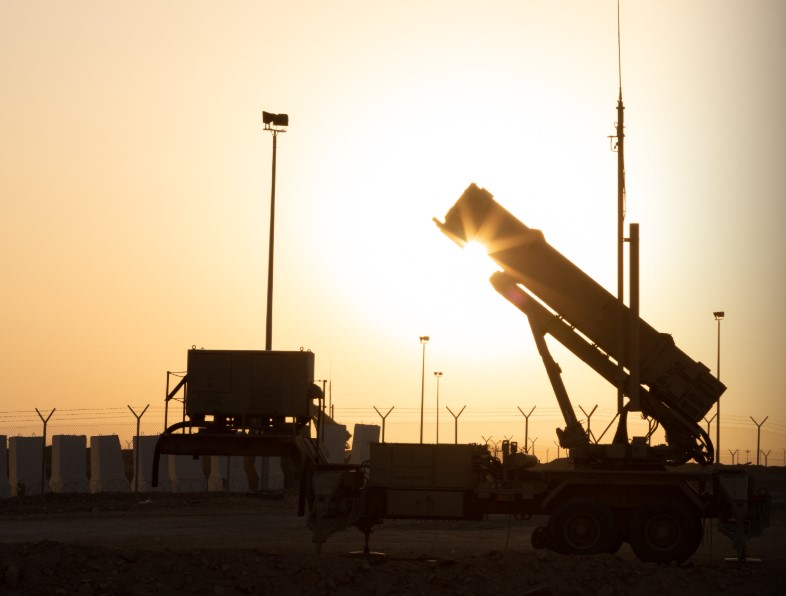
Reality Check: Houthi forces have escalated fighting against the Yemeni Armed Forces, seizing several sites and islands close to the Bab al-Mandab Strait, jeopardizing the critical international trade route. Meanwhile, the Yemeni Armed Forces have launched a counteroffensive to counter the Houthi escalation and retake the capital Sanaa from the Iranian-backed militia.
The Backstory: The Iranian-backed Houthis seized the capital Sanaa in 2014. The Saudi-led Coalition supports the internationally recognized government in Yemen, trying to restore legitimacy to the country and alleviate the suffering of the Yemeni people.
Saudi-Egyptian Alignment
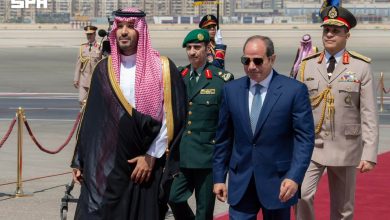
The Context: During a high-level meeting in Cairo, Saudi Arabia’s Crown Prince Mohammed bin Salman and Egypt’s President Abdel Fattah Al-Sisi underscored their aligned position on ensuring freedom of navigation and maritime security in the Straits of Hormuz, Bab al-Mandab, and the Red Sea, according to a statement released by the Egyptian Presidency.
Zoom In: President Al-Sisi stressed Cairo’s support for the measures taken by Riyadh to safeguard the Kingdom’s security and stability, as well as for efforts to reach a comprehensive and sustainable political solution to the Yemen crisis.
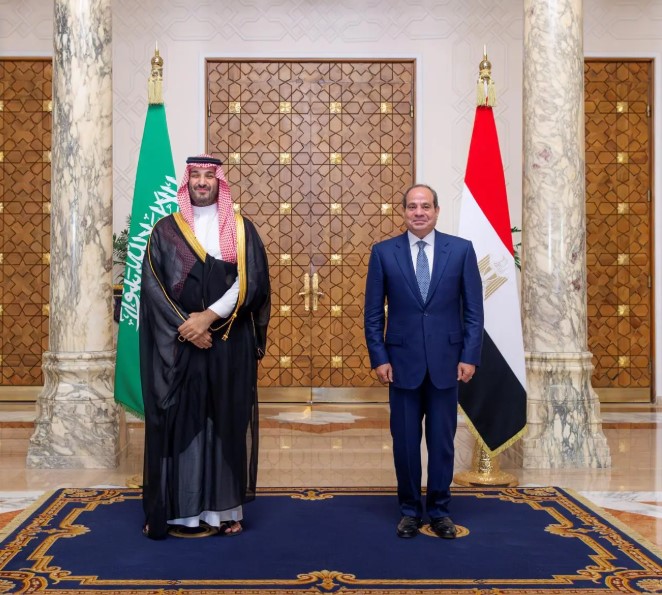
In His Words: “Egypt categorically rejects and strongly condemns any attacks or threats that undermine the Kingdom’s sovereignty, stability, and territorial integrity, or freedom of navigation in international maritime waterways.” Abdel Fattah Al-Sisi, Egyptian President.
The Bottom Line: Saudi Arabia’s position on Yemen and Houthi attacks underscores the Kingdom’s balanced dual-track approach: pursuing de-escalation and long-term peace in Yemen while standing firm against actions that threaten regional stability and global economic security.