The October Moment: King Faisal Bin Abdulaziz’s Decisive Weapon in the 1973 War
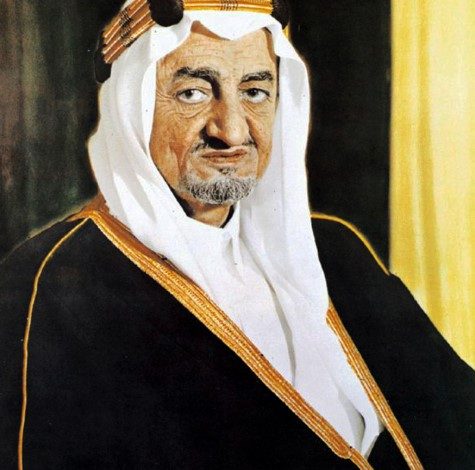
On October 6, 1973, history was rewritten following an epic battle to liberate Arab lands from Israeli occupation. While Egyptian and Syrian forces were fighting on the frontlines in Sinai and the Golan Heights, Saudi Arabia was engaged in a diplomatic and economic push that proved decisive in shaping the course of the war.
King Faisal bin Abdulaziz Al Saud utilized a powerful weapon to support his Arab neighbors, using oil as a geopolitical instrument to secure battlefield gains achieved by Cairo. The late Saudi King’s position is an unmistakable testament to the Kingdom’s unwavering commitment to Arab sovereignty and unity.
October 6: The Day of Restoring Arab Dignity
In a coordinated effort to reverse the defeat of the Six-Day War, Egyptian and Syrian armies pressed forward on two battlefields on October 6, 1973, in a pivotal moment that redefined Arab history.
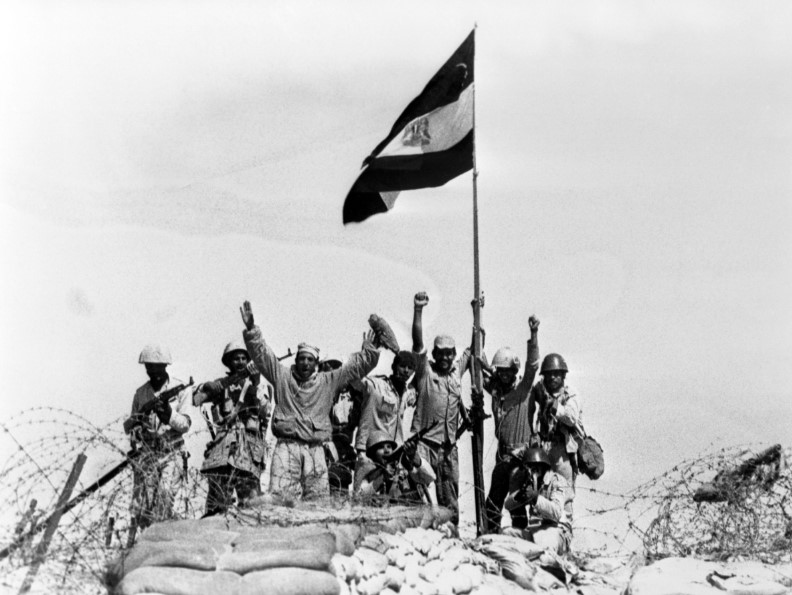
During Operation Badr, Egyptian troops executed an amphibious crossing of the Suez Canal, overrunning the Israeli Bar Lev Line and advancing into Sinai, while Syrian forces pressed forward on the Golan Heights to liberate occupied lands.
Meanwhile, there was a complementary front spearheaded by King Faisal bin Abdulaziz from Riyadh, in which he leveraged the diplomatic and economic weight of Saudi Arabia to regain Arab sovereignty.
Mobilizing the Arab Front
After a bitter defeat for the Arab armies in 1967 and the ensuing Israeli occupation of the Sinai Peninsula, Golan Heights, West Bank, Gaza, and East Jerusalem, King Faisal suspended Saudi oil exports to the UK and the US for two months, due to their support for Israel.
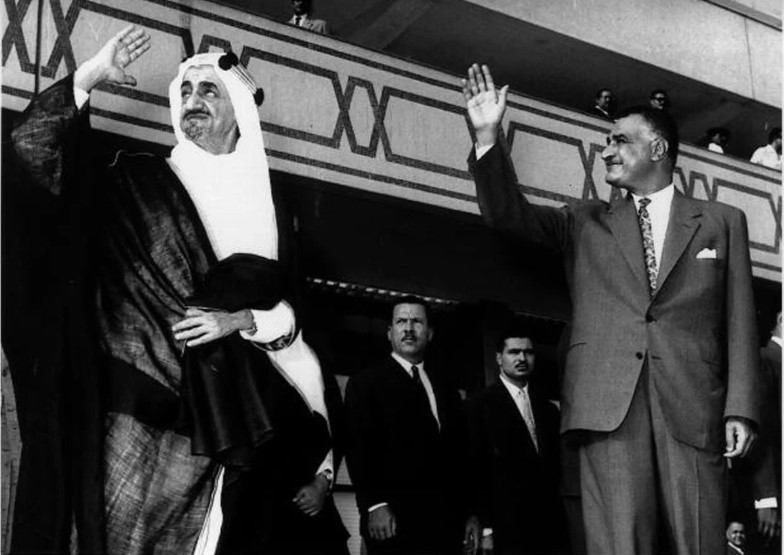
Furthermore, he mobilized support for Egypt and other Arab nations to rebuild their capabilities and repel this blatant invasion. In the fourth Arab League summit, held in Khartoum from August 29 to September 1, 1967, Saudi Arabia announced a £50 million donation, while Kuwait donated £55 million, Algeria £10 million, and Libya £30 million.
This momentum prompted the Arab States to adopt a unified position, known as the “Three No’s” Principle: No negotiations, no recognition of Israel, and no peace with Israel.
A Calculated Decision
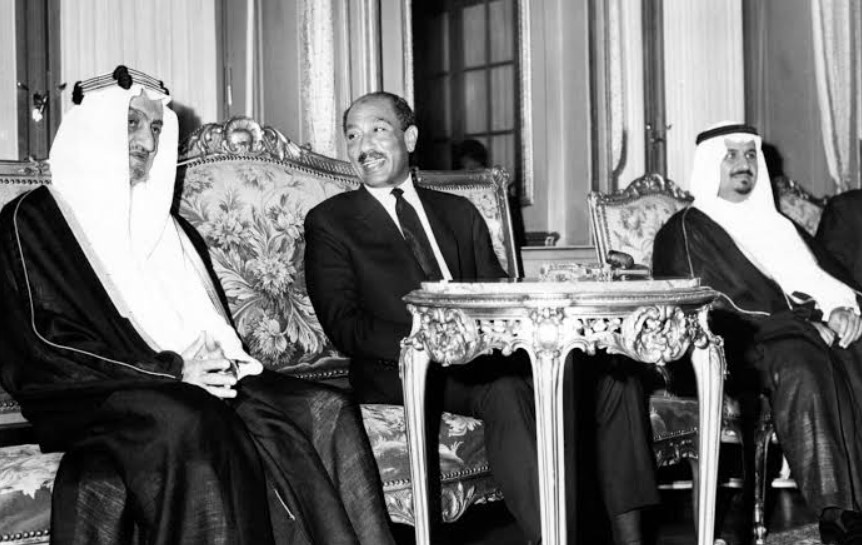
King Faisal held high-level consultations with Egyptian President Anwar Sadat and Syrian President Hafez al-Assad months before the launch of the October 6 war, known as Operation Badr.
The Saudi King was preparing to use oil as a weapon to pressure the US and Western countries to cut their support for Israel. This had followed months of repeated warnings that support for Israeli occupation would destabilize energy markets and international alliances.
In July 1973, King Faisal warned in interviews with Western media that Saudi Arabia would be obliged to limit its oil supply to the US unless Washington adopted a more balanced policy towards the Middle East, according to CIA‘s declassified documents.
A Clear Message
In response to a US plea for King Faisal to help in convincing Egypt and Syria to halt fighting with Israel, the Saudi King noted that the Egyptian-Syrian coordinated attack was a direct result of Israel’s expansionist policies, warning Washington of the dangerous consequences of continued Israeli aggression against Arab countries.
“If the United States does not act to deter Israel, the volcano which has so far been quiet in the Middle East will be active again and its holocaust will not be confined to this region alone, but will develop into an all-out third world war engulfing all countries of the world, contrary to the agreements of non-confrontation between big powers.
Therefore, Israel bears the major responsibility for this current conflict in the region. The United States should force Israel to withdraw from the Arab territories and to grant the Palestinian people their rights in their territory and homeland.” – King Faisal bin Abdulaziz wrote to US State Secretary Henry Kissinger on October 6, 1973.
Oil Embargo: The Implementation
As the US launched Operation Nickel Grass on October 14, which involved a military airlift to resupply Israel with weapons, tanks, and military equipment, Saudi Arabia and other Arab countries decided to act.
On October 17, 1973, the Kingdom, alongside other Arab countries, decided to impose an oil embargo on countries supporting Israel during the war. In an emergency meeting in Kuwait, Arab Oil Ministers decided to reduce oil production by 5%, to be followed by an additional 5% reduction every month until Israel withdrew from the lands it occupied in 1967.
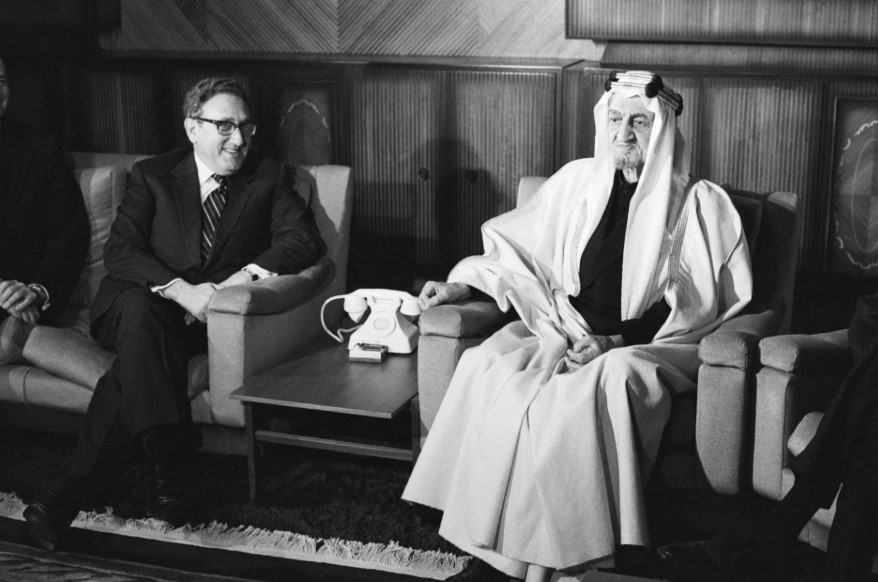
As foreign support for Israel continued, King Faisal announced a 10% reduction in Saudi oil production, with other Arab nations following suit. When the Arab demands were not met, the final decision was made on October 19, 1973: a complete oil export ban on the US, Netherlands, Canada, Portugal, Rhodesia, and South Africa, alongside severe production cuts affecting the UK, Japan, and Western Europe. This ban caused prices to surge from roughly $3 to nearly $12 per barrel.
Defiant Against Threats
King Faisal stood firm in the face of US threats to Saudi Arabia, as the oil embargo took its toll on the American cost of living. These threats were conveyed by the US Secretary of State Henry Kissinger, who warned of “countermeasures” – implying potential military action against Saudi oilfields – if the oil ban was not lifted.
Prince Turki Al-Faisal, son of the late Saudi King who was also an adviser at the Royal Court at the time, recalled this period during an interview with Asharq Al-Awsat in 2008. He noted that King Faisal received a telegram message from Kissinger warning that the US would take all measures to protect its interests if Saudi Arabia did not lift the embargo.
“The message was not specific about the measures they were going to take, but it appeared that they would use force. A CIA representative gave me the unsigned message, telling me it was from Kissinger… I went to the king and conveyed its contents. He received the message, read it and said: ‘Khair, Insha Allah (Good, God willing),” Prince Turki said.
According to Prince Turki, King Faisal was relaxed and in good spirits, in a clear message that the Kingdom would not bow to external pressures or threats.
King Faisal remained unyielding in his position, refusing to lift the embargo on empty promises or counter-pressures. In a high-stakes meeting with Kissinger in Riyadh, in November 1973, the Saudi leader was quoted as saying: “Our ancestors survived on dates and milk, and we can easily go back and live like that again. But you [the West] are the ones who cannot live without oil.”
A Successful Diplomatic Push
Following extensive diplomatic exchanges between Kissinger and President Richard Nixon on one side and King Faisal and Egypt’s President Sadat on the other side, Egypt and Israel agreed on disengagement of forces in January 1974. As a result, Arab oil ministers announced the end of the embargo against the US in March of the same year.
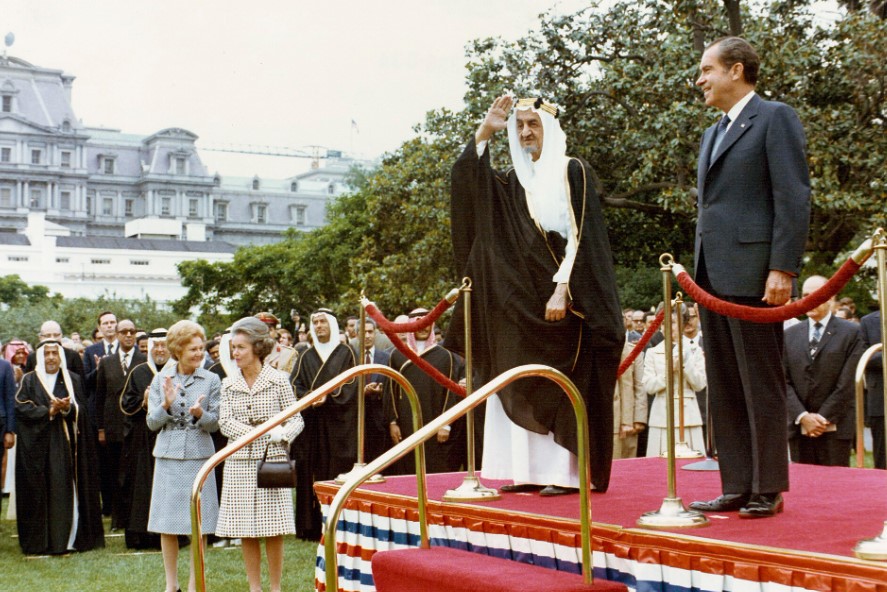
Egypt regained the entire Sinai Peninsula following US-mediated peace negotiations, which culminated in the 1979 Camp David Accords.
With Egyptian military power and Saudi diplomatic and economic leverage, Arabs shattered the myth of Israeli invincibility, restoring national and Arab pride after the Six-Day War defeat and heralding a new chapter in pan-Arab solidarity and collective action.
The Legacy of Statecraft
King Faisal’s firm stance during the 1973 war was an extension of his father’s legacy, King Abdulaziz Al Saud. The founder of modern Saudi Arabia was a strong advocate for pan-Arab solidarity, championing unity, sovereign decision-making and collective action.
This legacy has passed down through successive monarchs, charting Saudi Arabia’s foreign policy for decades to come. At present, the Custodian of the Two Holy Mosques, King Salman bin Abdulaziz Al Saud, and the Crown Prince and Prime Minister, Mohammed bin Salman, are carrying forward this approach, fostering robust ties with Arab and Muslim nations and advocating for Arab unity and regional stability.