The Way Forward: Saudi Crown Prince Outlines National Priorities at Shura Council
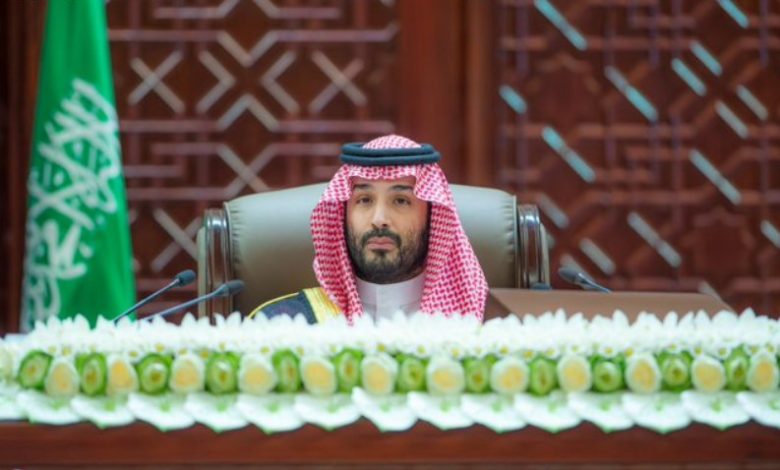
The annual royal address to the Shura Council not only marks the opening of the third year of the council’s ninth session; it also offers a strategic blueprint for Saudi Arabia’s legislative, economic, and diplomatic priorities for the coming year.
Delivered by Crown Prince and Prime Minister Mohammed bin Salman, the address reinforces the Kingdom’s position as a primary stabilizing regional force while accelerating domestic economic diversification and institutional modernization under Vision 2030.
National Milestones
Driving the News: Crown Prince Mohammed bin Salman delivered the annual royal address to the Shura Council on Wednesday, September 30, 2026, on behalf of the Custodian of the Two Holy Mosques, King Salman bin Abdulaziz Al Saud, according to the Saudi Press Agency (SPA).
The Big Picture: As Saudi Arabia gears up for the 300-year mark on its upcoming Founding Day, the address highlighted key milestones under the transformative Vision 2030 and the Kingdom’s resilience in the face of emerging regional challenges.
Regional Leadership
State of Play: The Crown Prince praised Saudi Arabia’s high military readiness and defense and human capabilities, capable of deterring threats regardless of their origin. He praised the vigilance and readiness of Saudi military personnel in safeguarding national stability and prosperity.
He also noted that attacks against the Gulf Cooperation Council (GCC) countries reaffirm that Gulf security is indivisible, highlighting the Kingdom’s efforts to safeguard Gulf stability, boost strategic cooperation, and enhance economic integration to foster collective action.
Key Defense Initiatives:
- The Makkah Joint Defense Agreement: Established between Saudi Arabia, Türkiye, and Pakistan to enhance regional security and stability.
- The Multilateral Maritime Defense Coalition: Formed to protect international waterways and maritime lanes against political or economic leverage.
Stabilization Efforts: Crown Prince Mohammed bin Salman pointed to the Kingdom’s role as a global anchor of energy security, ensuring oil supplies to international markets despite regional escalation. He also highlighted Riyadh’s efforts to strengthen international cooperation and de-escalate tensions to achieve regional and international stability.
Commitment to Peace
The Context: In his address, the Crown Prince emphasized Saudi Arabia’s position on several regional crises, which is grounded in championing state sovereignty and promoting political solutions to conflicts.
- Palestine: The Crown Prince reiterated Saudi Arabia’s unwavering commitment to Palestinian rights, most notably the right to establish an independent state. He strongly condemned Israeli brutal aggression in Gaza and violations at Al-Aqsa Mosque, calling on the international community, particularly the Board of Peace, to pursue a lasting political solution.
- Yemen: Crown Prince Mohammed bin Salman stressed the Kingdom’s support, through the Coalition to Restore Legitimacy in Yemen, for the Yemeni government to restore full state authority against Houthi attacks.
- Sudan: The Crown Prince reiterated Riyadh’s unwavering support for Sudan’s unity, stability, and legitimate state institutions.
The Strategy: The Saudi leader noted that the Kingdom adopts a firm de-escalation policy, prioritizing diplomacy while delivering a clear warning of decisive response to any direct threat to Saudi national security.
In His Words: “We are exerting every possible effort to de-escalate tensions and support diplomatic solutions without the slightest compromise on preserving our security. We will not hesitate to respond decisively to any threat or attack aimed at undermining it.” – Mohammed bin Salman, Saudi Arabia’s Crown Prince and Prime Minister.
Vision 2030: Celebrating a Decade of Transformation
Between the Lines: The annual royal address coincided with the tenth anniversary of Vision 2030, which charted the roadmap for Saudi Arabia’s transformation into a vibrant society, a thriving economy, and an ambitious nation.
By the Numbers:
- 93%: Performance indicator achievement rate across Vision 2030 programs over a decade of transformation.
- 155%: Growth in non-oil exports compared to the 2016 baseline.
- 51%: Contribution of the private sector to the national economy.
- #1 Globally: Saudi Arabia’s ranking in Digital Readiness, ICT Development, and Cybersecurity.
- #2 Globally: Saudi Arabia’s ranking in Digital Government Maturity.
- Top 10: Kingdom’s global placement among the most attractive destinations for mining investment.
Catch Up Quick: Saudi Arabia designated 2026 as the “Year of Artificial Intelligence.” This designation underscores the Kingdom’s commitment to achieving global leadership in AI applications, technical solutions, productivity, and local talent development.
A Far-Sighted Approach
Go Deeper: The Crown Prince highlighted the Public Investment Fund’s (PIF) role in driving Vision 2030 economic objectives by launching its next 5-year strategy focused on competitive local ecosystems, private sector partnerships, local content, and sustainable financial returns. This goes hand in hand with the National Development Fund’s (NDF) initiatives, which fuel sectoral growth with targeted annual funding.
Supply Chain Resilience: In his address, the Crown Prince highlighted the efficiency of Saudi Arabia’s logistics ecosystem, which has proven an unmatched level of operational adaptability and resilience during global supply chain disruptions.
The Impact: The Kingdom’s resilience and adaptability underscore the significance of long-term planning as a tool for flexibility and crisis management, successfully converting regional threats into developmental opportunities.
The Takeaway: As Saudi Arabia enters the second decade of Vision 2030, the royal address makes clear that economic growth, technological leadership, and firm defense readiness remain the core pillars shaping the Kingdom’s national trajectory in the years ahead.