Arab Parliament Hails UN Resolution Demanding Immediate Halt to Houthi Attacks on Saudi Arabia
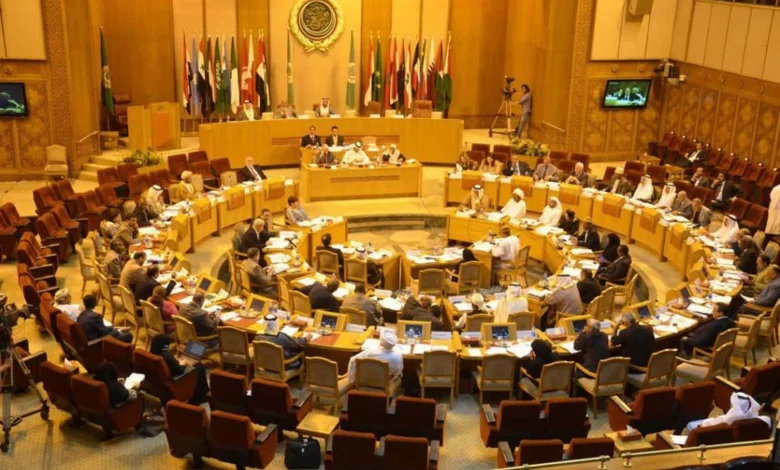
Driving the news: The Arab Parliament has welcomed a unanimous UN Security Council resolution that demands the Houthi militia end its attacks “immediately and unconditionally.”
Why it matters: Unity at the Council shows the world now treats Houthi aggression as a global security problem. The Arab Parliament, however, wants action, not just statements.
A Unified International Front
The parliament said in a statement that Resolution 2837 reflects growing international awareness of Houthi practices. Those practices threaten regional security, stability and freedom of navigation.
The statement demands an end to attacks on Saudi Arabia. It also covers civilians, civilian infrastructure, commercial airports and international shipping.
Moreover, the parliament called the vote an important step toward a unified stance against what it described as terrorist acts and continuing violations. It stressed that condemnation alone will not suffice. Therefore, it urged the world to turn words into firm, practical measures that stop the attacks and hold the culprits to account.
The parliament also welcomed the extension of sanctions on entities linked to the militia. It called the extension vital for undermining activities that endanger Yemen and the region. In addition, it demanded full implementation so the measures work.
What the Resolution Demands
The Council adopted the resolution on Thursday. It renews the asset freeze and travel ban until 14 November, 2027, and extends the Panel of Experts’ mandate to 15 December, 2027.
The resolution also asks the UN Secretary-General to expand the panel from four to six members and add maritime security expertise. The arms embargo against the Houthis continues without an expiry date.
Furthermore, the Council plans to decide by January 11, 2027 how to stop dual-use components and precursor chemicals from reaching designated individuals and entities. The UK led the negotiations.
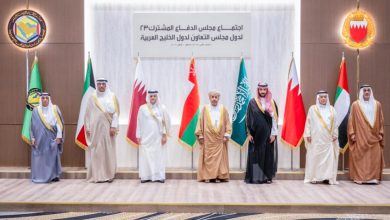
Gulf leaders welcomed the outcome. The GCC Secretary-General praised the international consensus behind the resolution.
By the numbers:
- 2837: the resolution number. All 15 Council members agreed to it.
- 14 November, 2027: the new expiry date for the asset freeze and travel ban.
- 15 December, 2027: the new end date for the Panel of Experts’ mandate.
- 4 to 6: the planned growth in the panel’s membership.
- 11 January, 2027: the Council’s target date to decide on dual-use items and precursor chemicals.
- 22 killed, more than 380 injured: the toll of the October missile and drone attacks on Saudi airports, according to a running public tally. Early official counts were lower, so figures may keep changing.
- 73 injured: the number hurt in September attacks on Abha, Khamis Mushait, Jazan and Najran, according to the coalition.
- 400,000 barrels per day: the capacity of the Jazan refinery, which sits in the region where fires erupted at oil facilities.
- 2 million: the number of displaced people Marib hosts, after the Houthis fired eight ballistic missiles at the city.
- SAR 7.5 billion ($2 billion): the value of US arms sales to Saudi Arabia that Washington approved in July. No official damage estimate for the attacks has surfaced.
The Houthi Record: Civilians in the Crosshairs
The resolution follows months of escalating attacks. In early October, the Houthis fired missiles and drones at airports in Abha, Riyadh and Dammam. One strike destroyed a Saudia passenger jet.
The Abha strike killed a Moroccan woman and an Algerian woman. Meanwhile, the attack on Riyadh’s King Khalid International Airport killed 13 people and injured more than 300. Victims came from many nationalities, which underlines the global reach of the harm.
In September, Houthi strikes ignited fires at oil facilities in southern Saudi Arabia. As a result, operations at some energy sites stopped.
The violence also hits Yemenis hard. Marib’s authorities said the militia fired eight ballistic missiles at a city packed with displaced families. Yemen’s government also accused the Houthis of blowing up a vital bridge between Taiz and Lahj.
At sea, the picture looks equally grim. The US envoy told the Council that, over four months, the Houthis threatened to close the Bab al-Mandab Strait, seized islands near the Red Sea’s entrance and fired on commercial ships. He added that the group attacked Saudi airports and oil fields.
Saudi Arabia has long called such strikes war crimes. In an earlier letter to the Council, its UN envoy demanded that the Houthis face accountability under international humanitarian law. The Houthis, for their part, call Saudi sites “legitimate targets” and frame the attacks as a response to Saudi strikes, according to their military spokesman.
Where the Council Divided
Unity on the vote did not erase disagreement over labels. Yemen’s envoy regretted that the Council stopped short of calling the Houthis a terrorist group. He argued that the group’s record speaks for itself.
Bahrain’s delegate, however, spoke bluntly. He cited a Gulf Cooperation Council statement declaring that “Houthis are terrorists and must be treated as such.”
Russia and China urged restraint and a political settlement. Russia added that blaming only one side would not work. In contrast, the US also expressed regret that the text ignored Houthi ties to other terrorist groups, including Al-Shabaab.
What’s next: First, the Council must settle its list of dual-use items by January. Then member states must enforce the arms embargo, especially across land and sea smuggling routes.
The Arab Parliament, meanwhile, keeps its focus on Yemen’s legitimate government and the country’s unity. It insists that only a comprehensive political solution can end the crisis. Until then, it wants sanctions that bite and attackers who answer for their crimes.