Every household across Saudi Arabia is defined by the warm and delicate aroma of coffee – the Kingdom’s traditional brew that has become a symbol of generosity and hospitality.
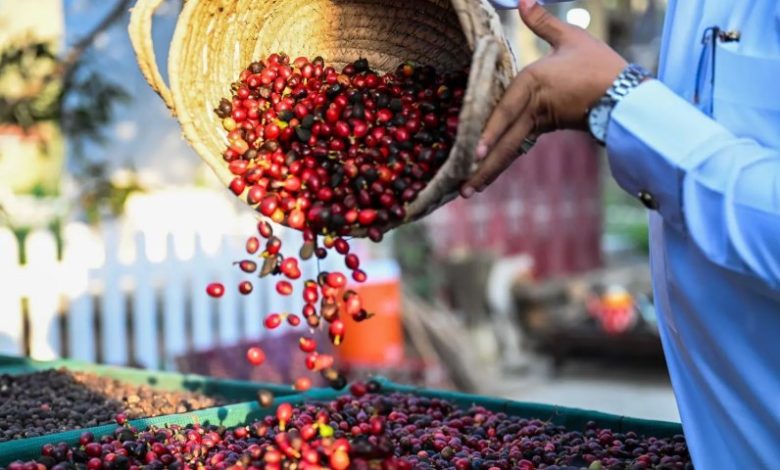
This centuries-old heritage has powered a booming agricultural industry, with Saudi coffee production reaching 7,400 tons in 2026, creating a sustainable supply chain in line with the economic diversification objectives of Vision 2030.
A Coffee Production Surge
Driving the News: According to recent data released by the Sustainable Agricultural Rural Development Program (Saudi Reef), coffee production in Saudi Arabia recorded a massive surge in 2026, surpassing the initial target of 7,000 tons for the year.
By the Numbers:
- 7,400 tons: Coffee production in 2026.
- 825%: The surge in Saudi coffee production from 2020 to 2026.
- 6,200+: Number of beneficiaries in 2026.
- SAR 185 million: Total support for small-scale producers, agricultural investment, and coffee value chains.
- 4.4%: Targeted self-sufficiency rate in 2026.
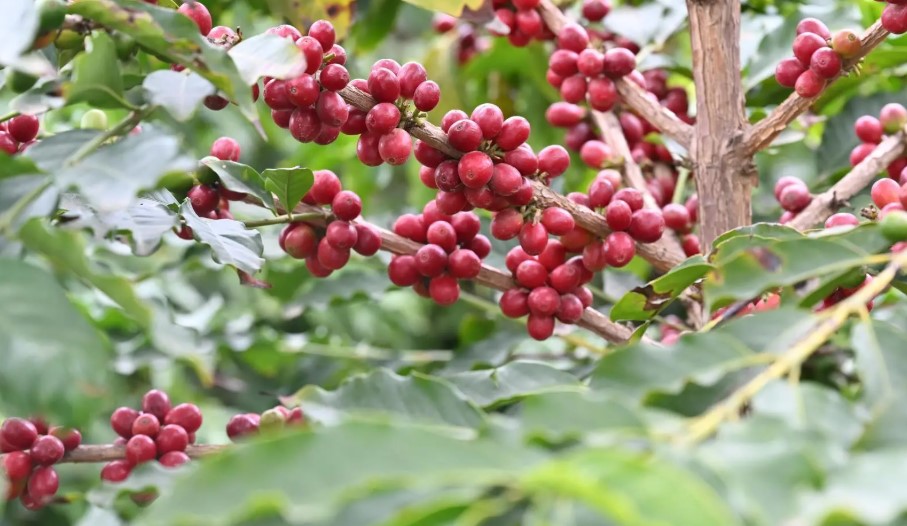
The Big Picture: The data reveals remarkable growth in coffee production, backed by Saudi Reef‘s specialized training in organic farming, pest control, modern irrigation, and coffee cultivation.
Looking Ahead: With approximately 4.4 million coffee seedlings planned or deployed, production is projected to exceed 20,000 tons at full capacity.
Southern Regions: The Heartlands of Production
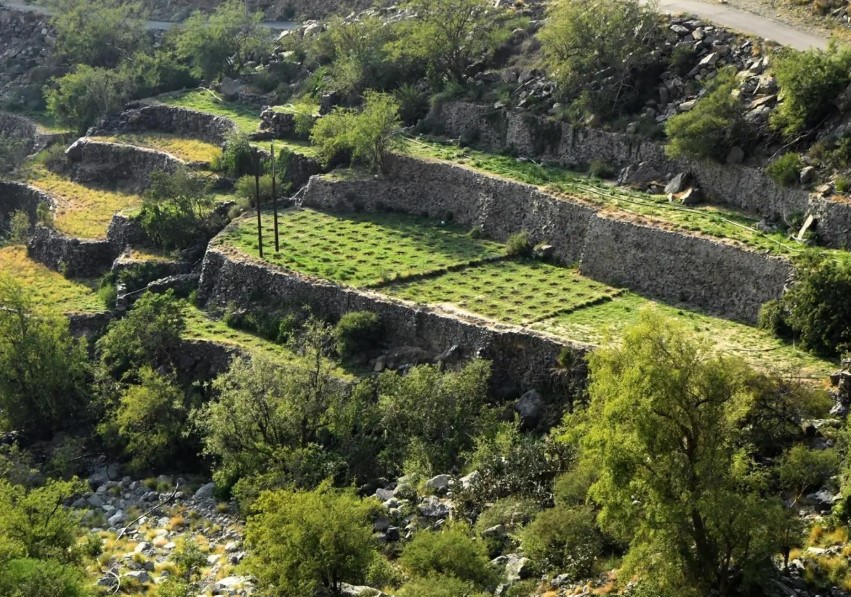
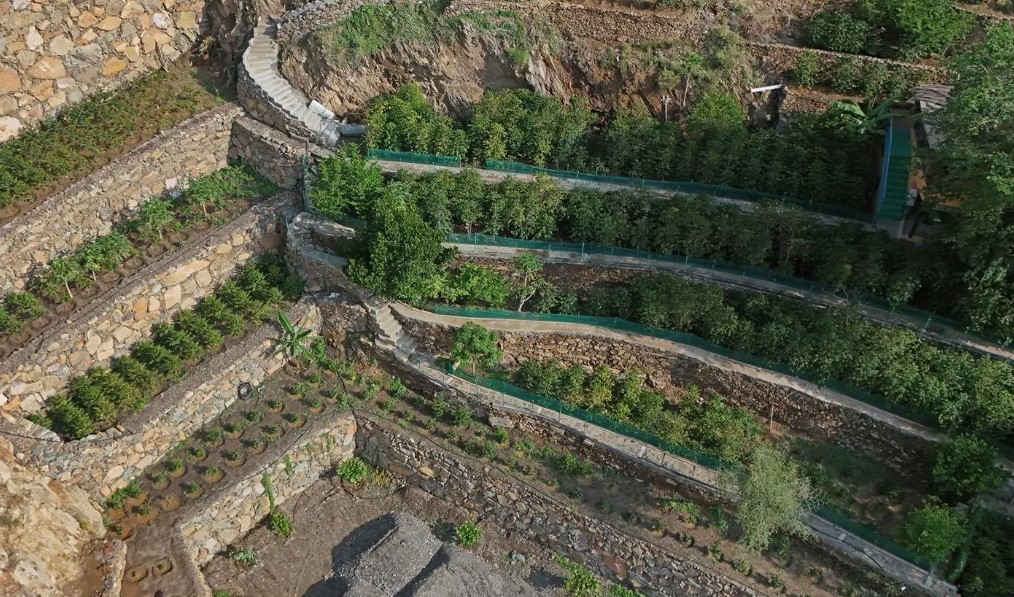
State of Play: Coffee farms are spread across the Kingdom’s southern regions, owing to their mountainous highlands, fertile soil, and seasonal rainfall, which create an ideal setting for coffee production.
Key Production Hubs:
- Jazan: Home to thousands of terraced mountain farms across governorates such as Al-Dayer, Fayfa, Harub, and Al-Rayth. Jazan is the historical heart of Arabica coffee production, with an annual output exceeding 1,000 It has around 2,000 farms, including over 500 model farms, and more than 400,000 coffee trees.
- Aseer: Aseer region is one of Saudi Arabia’s fastest-growing coffee hubs. It produces over 175 tons of pure coffee annually, leveraging over 243,000 productive coffee trees. Between 2022 and 2025, more than 634,000 coffee trees were planted in Aseer, with an expected output of 1,500 tons of coffee cherries and 500 tons of green coffee beans annually across 1,400 active farms.
- Al-Baha: It ranks third in coffee production, with over 450 coffee farms, encompassing more than 115,000 trees and over 600,000 coffee seedlings.
The Catalyst: Backing Saudi Reef’s efforts, the Public Investment Fund (PIF)’s Saudi Coffee Company is investing SAR 1.2 billion over ten years in the coffee industry, creating jobs, and empowering farmers in order to globalize the Kingdom’s coffee industry.
Al-Baha Coffee City
Zoom In: Al-Baha Region is home to Saudi Arabia’s first Coffee City – a major agricultural and economic project spearheaded by the Saudi Ministry of Environment, Water, and Agriculture (MEWA) to strengthen domestic coffee production and rural sustainability. Located in Mashouqa Center, the Coffee City spans a total area of 1,662,000 square meters, encompassing around 500,000 coffee trees, with an estimated annual production capacity of about 2,500 tons of green coffee upon full maturity.
Processing Capability: The city also houses a coffee roasting and packaging plant, with an annual production capacity of up to 10,500 tons of roasted coffee.
Saudi Coffee: A Centuries-Old Cultural Symbol
The Context: Coffee has great cultural significance in Saudi Arabia. It has become an essential element of the Saudi identity, symbolizing hospitality and generosity as well as reflecting the Kingdom’s authentic heritage. The aromatic beverage is deeply rooted in the Saudi culture, inspiring literature, poetry, and songs for centuries. Each Saudi region has its own way to prepare and serve coffee. Different additions and brewing techniques give coffee distinct taste in each region. Moreover, the traditional drink features in nearly all occasions and has become associated with customs and traditions.
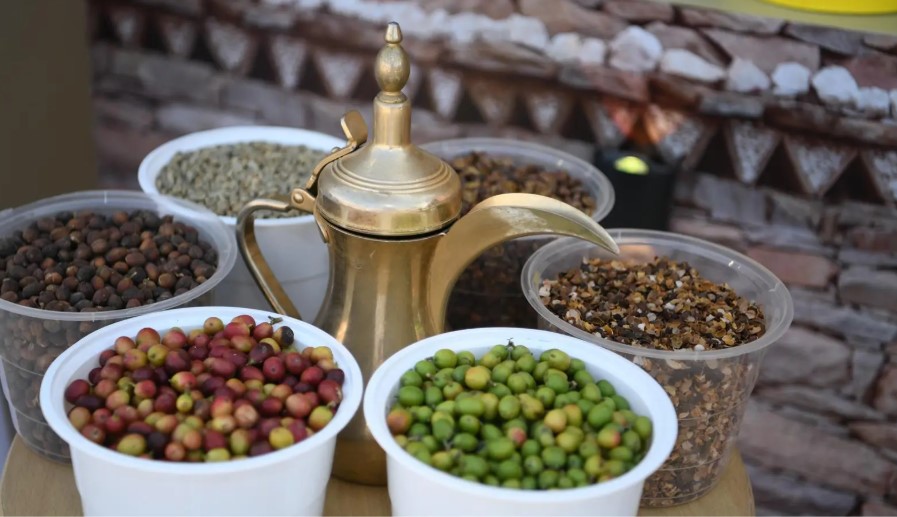
Preparation Techniques: Saudi coffee is unique with its distinguished preparation techniques. It is made of lightly roasted beans. Hence, it is rich in caffeine. Saudi coffee also contains a mix of traditional Saudi spices, such as cardamom, cloves, and saffron, adding diverse notes and flavors to the brew. For a more enhanced taste, Saudi coffee is often served with dates or nuts.
Serving Style: Saudis prefer to serve the coffee fresh, by roasting, grinding, and brewing the beans in front of the guests. After preparing coffee in a dallah (coffee pot), they must hold the dallah and pour coffee with their left hand, and present the cup to the guest with the right hand. Serving starts from the right side of the room, or with the oldest person. The host keeps refilling the cup until the guest says “enough” or shakes the cup.
Honoring the Traditional Brew
The Backstory: Distinguishing Saudi coffee from other regional varieties, the Saudi Ministry of Culture officially changed the name of Arabic coffee into Saudi coffee in 2022, under the initiative “Year of Saudi Coffee” which designated the beverage as a pillar of national heritage. In recognition of Saudi coffee’s distinction, two coffee-related elements are inscribed on UNESCO’s Representative List of the Intangible Cultural Heritage of Humanity.
- Saudi Khawlani Coffee (2022): The planting and processing of Khawlani coffee beans by tribes in southern Saudi Arabia for over 300 years.
- Arabic Coffee (2015): A symbol of generosity, hospitality, and respect in Arab societies, particularly in Saudi Arabia, the UAE, Qatar, Oman, and Jordan.
Nationwide Celebrations: The Kingdom honors its traditional brew with major events and festivals aimed at highlighting its cultural significance as well as boosting its competitiveness in international markets.
- International Saudi Coffee Exhibition: An annual festival in Al-Dayer Bani Malik Governorate in Jazan attracting tens of thousands of visitors. It brings together farmers, industry professionals, coffee lovers, government agencies, private sector companies, and international suppliers, unlocking opportunities for the industry.
- International Coffee & Chocolate Exhibition: A premier event taking place in Saudi Arabia with the participation of producers, experts, and enthusiasts from more than 40 It highlights the Kingdom’s coffee heritage and showcases the latest innovations in the sector.
- Al-Baha Coffee Festival: A world-class gathering in Al-Baha Region aimed at showcasing the region’s growing coffee industry and boosting local and international competitiveness, in line with the objectives of Saudi Vision 2030.
The Bottom Line: By boosting its coffee industry, Saudi Arabia is transforming its traditional beverage into an engine of sustainable non-oil economic growth, establishing a globally recognized specialty coffee market while promoting its cultural heritage worldwide.