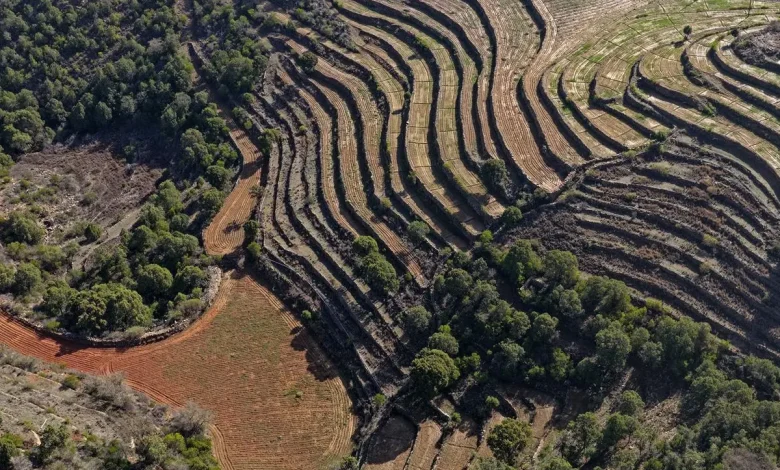
Across Asir’s mountain terraces and valleys, coffee trees have long been an essential part of the rhythm of rural life.
What Makes Asir Ideal for Coffee?
Rooted deeply in generations of farming knowledge, the crop is now emerging as more than a celebrated agricultural tradition, as expanding cultivation gives Asir a pivotal role in Saudi Arabia’s coffee economy.
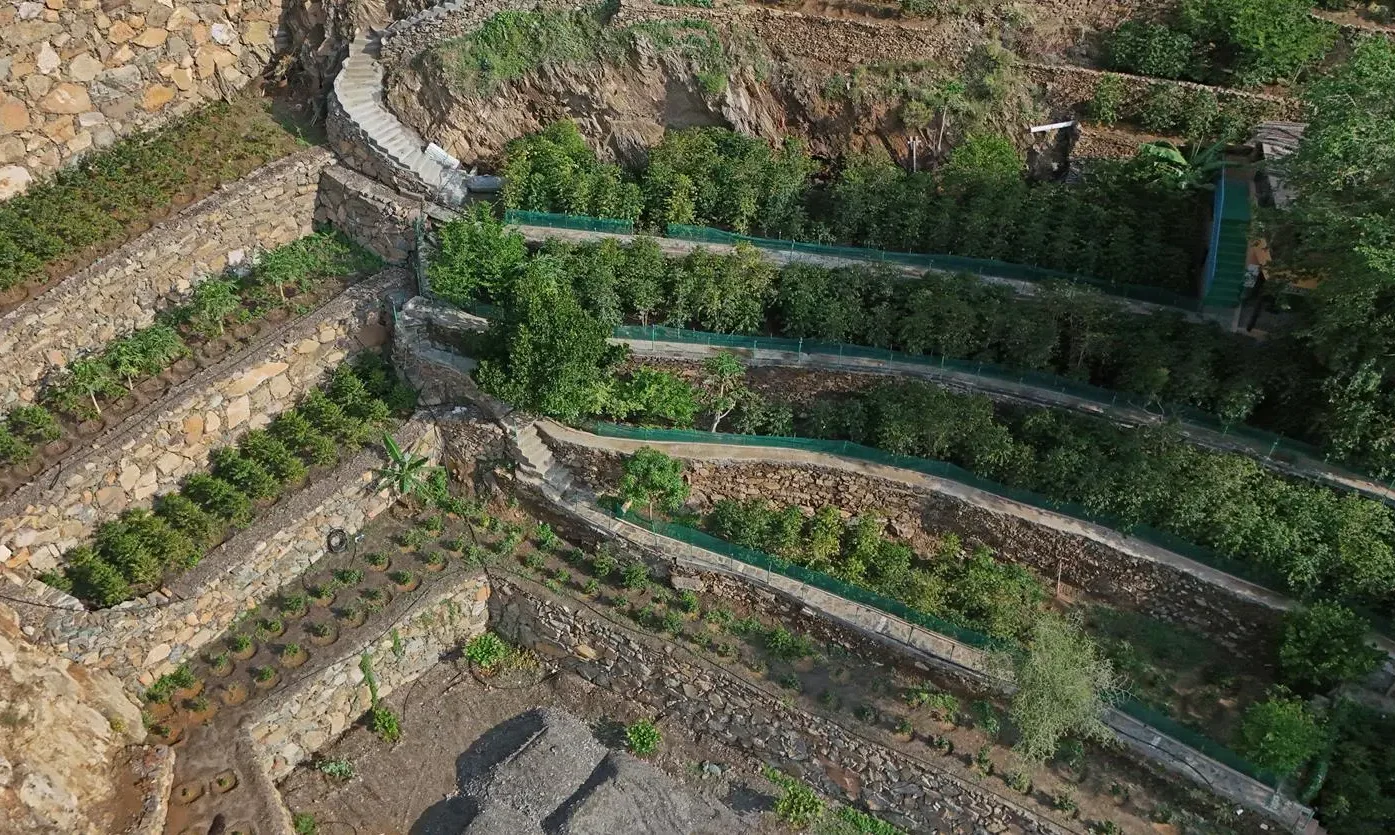
The coffee-growing landscape spans from Al-Farshah and Tihama Qahtan in the south to Balqarn in the north, featuring a broad belt through mountain governorates, centers and villages.
Shaped by varied elevations, moderate temperatures, seasonal rainfall and fertile soils, Asir stands out as a compelling setting for coffee cultivation.
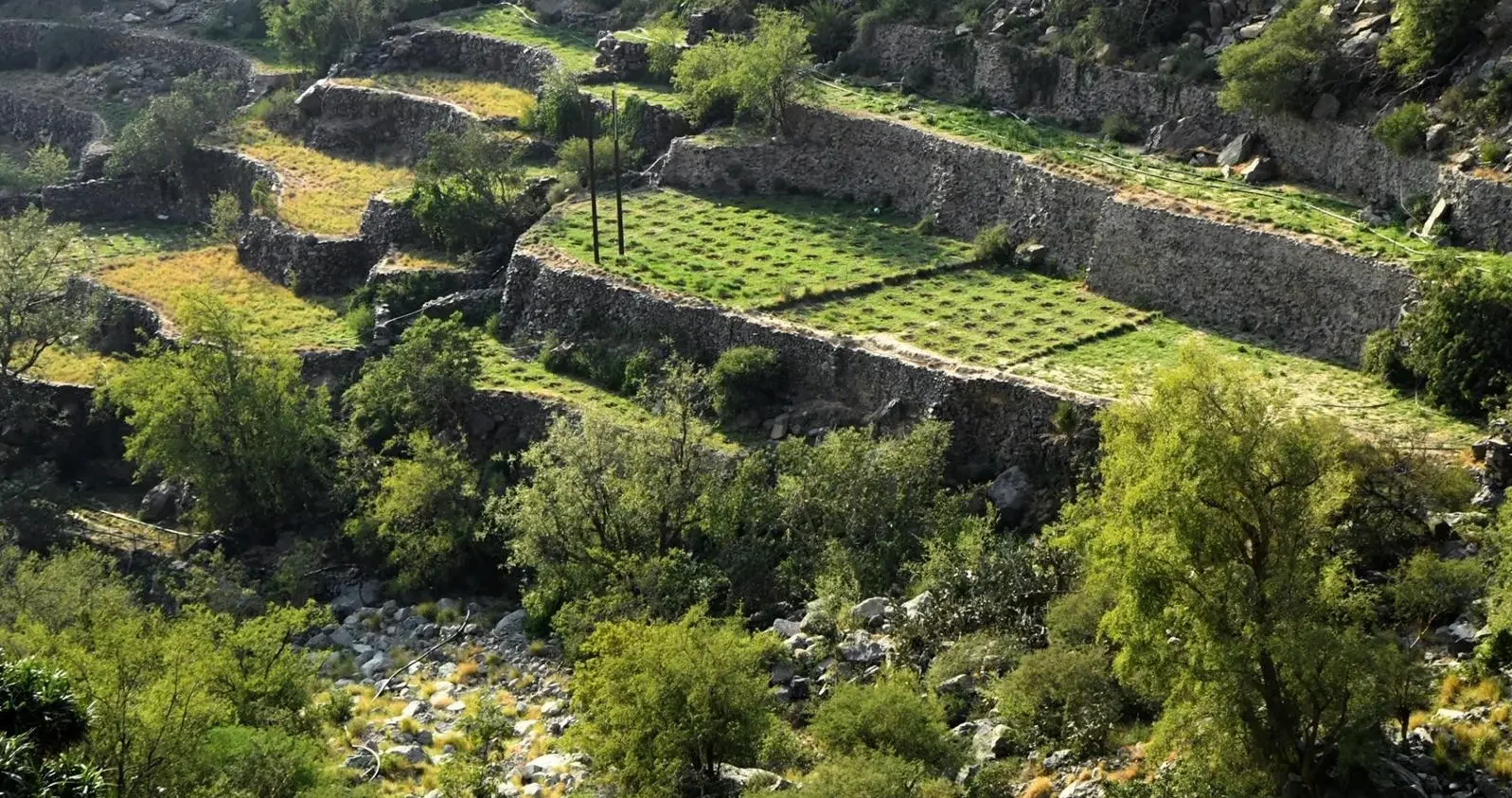
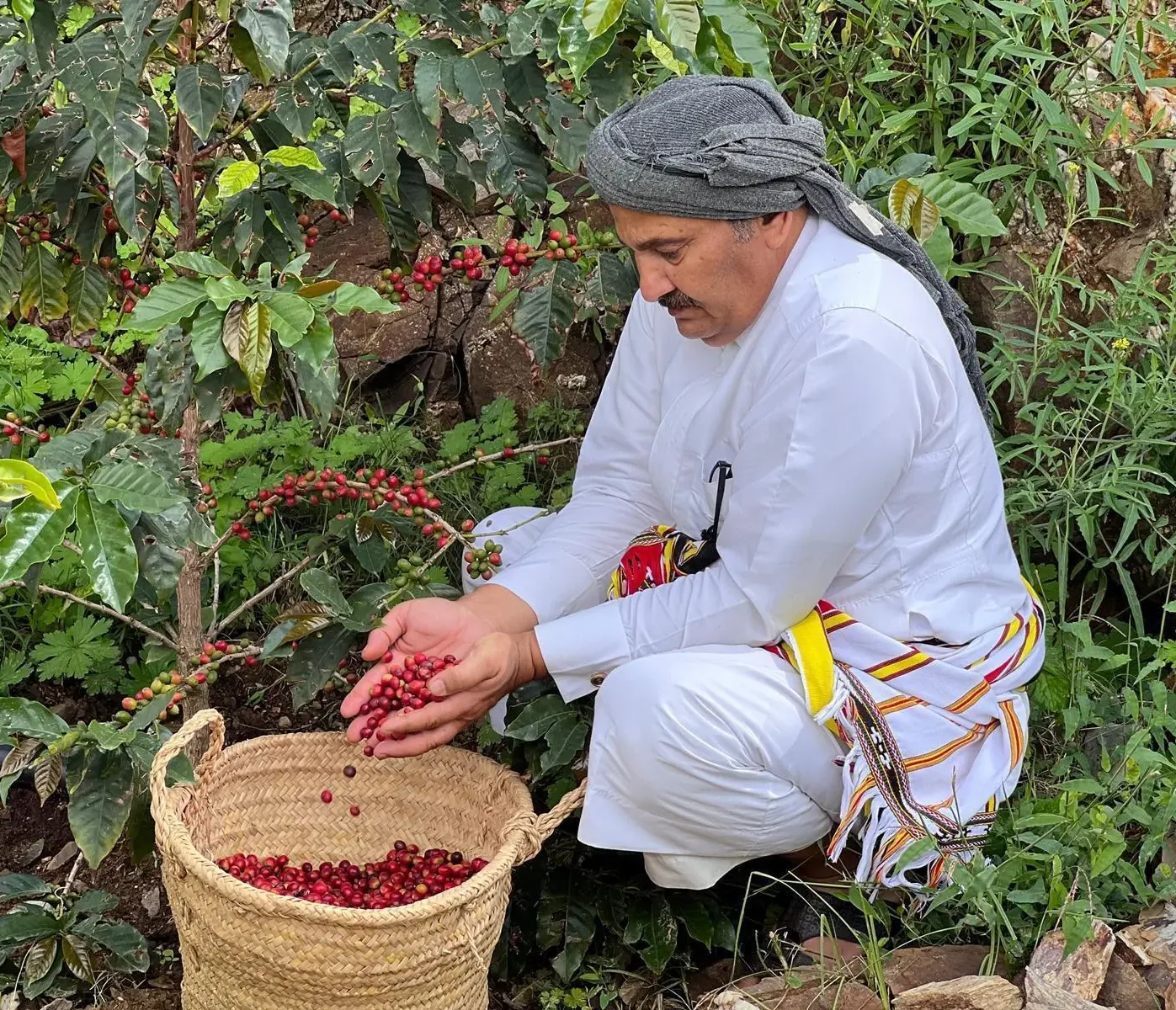
Across its mountain landscapes, farmers have preserved mature coffee trees as well as traditional cultivation practices, carrying generations of agricultural knowledge forward and keeping the region’s coffee-growing heritage rooted in the land.
A Growing Coffee Force
That enduring relationship with the land is vividly seen in Asir’s increasing contribution to Saudi Arabia’s coffee production.
Data from the Ministry of Environment, Water and Agriculture demonstrates that the region is home to more than 243,000 productive coffee trees, yielding over 175 tons of pure coffee each year.
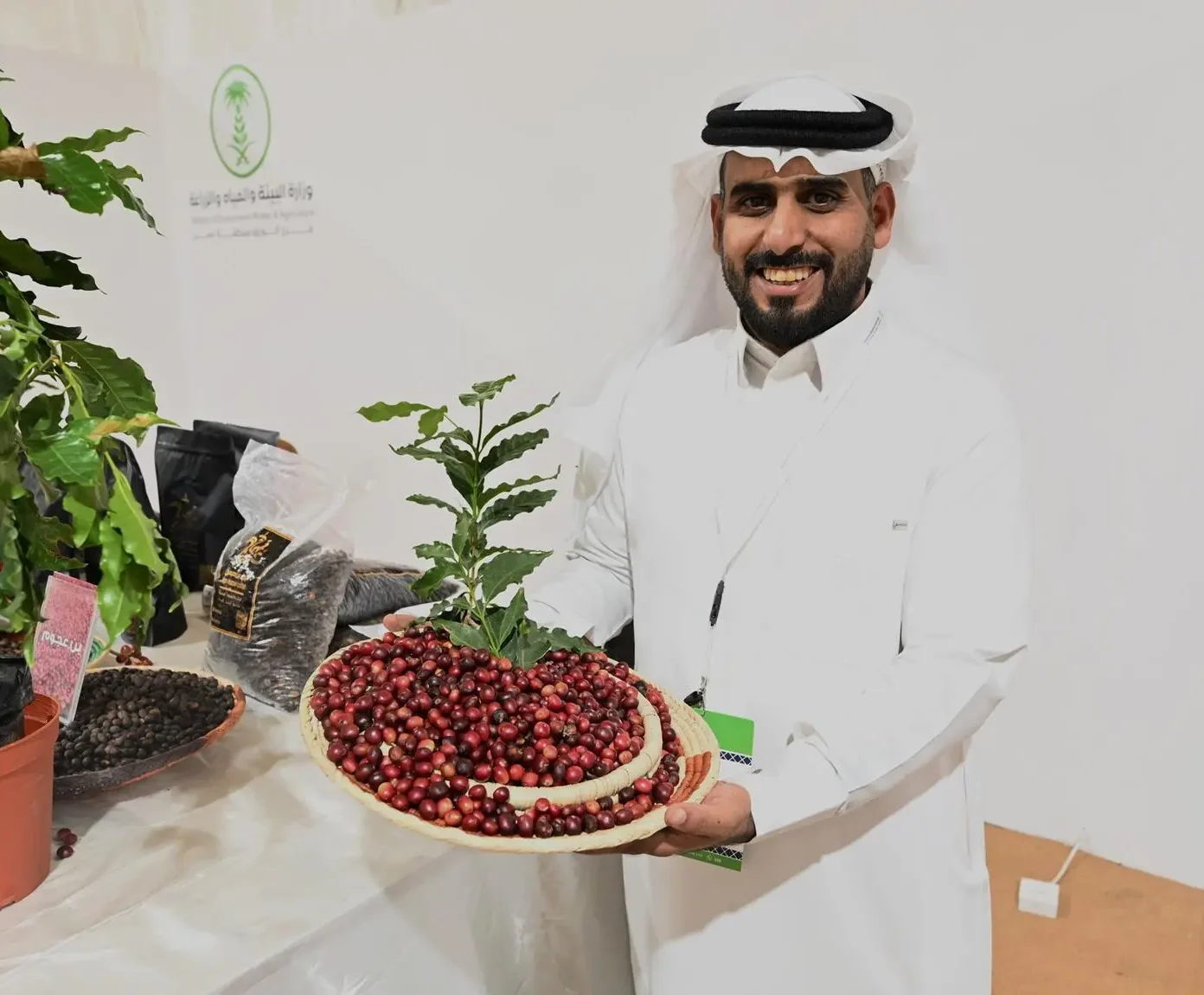
Between 2022 and 2025, farmers planted more than 634,000 coffee trees across Asir, while cultivation extended across more than 7,000 hectares spanning 14 governorates.
More boldly, over 1,400 active coffee farms now form part of this expanding agricultural base, signaling growing interest in the crop and its potential to generate greater economic value for Asir’s mountain communities.
How Can Coffee Create Lasting Value?
That momentum is being enriched by a series of programs aimed at expanding cultivation, promoting farm efficiency and raising production quality.
Among the most ambitious is a 2026–2028 initiative targeting the planting of 1 million coffee trees, linking the expansion of coffee cultivation with broader efforts to develop the mountain economy and reinforce productive agricultural areas.
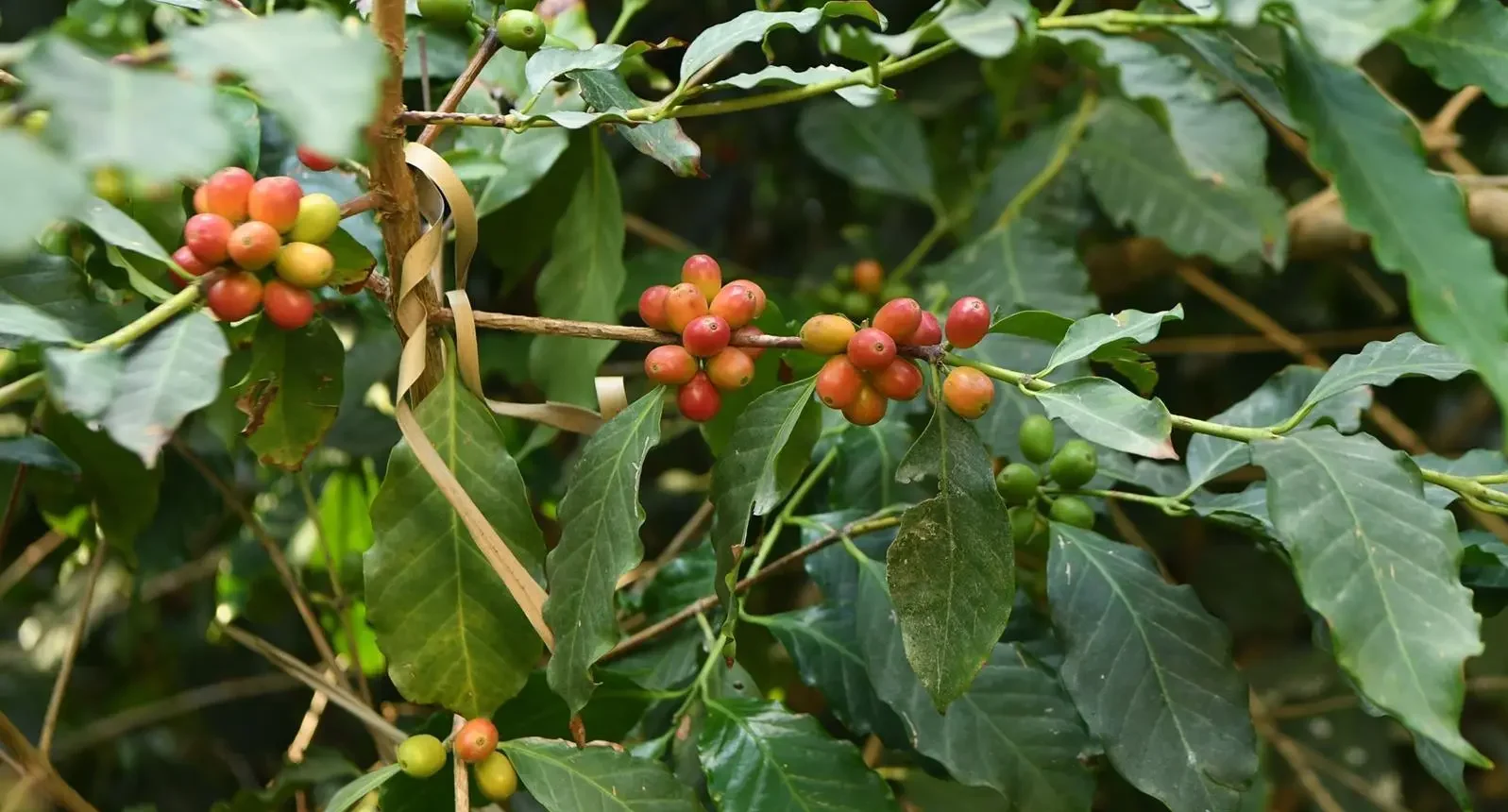
At a broader level, the program also seeks to turn expanding cultivation into lasting rural value by enhancing sustainable resource use, strengthening mountain economies and equipping farmers for more productive coffee farming.
A Coffee Belt Takes Root
Similar efforts are underway in Najran, where agricultural authorities are providing high-quality seedlings, organic fertilizers adapted to local soils and water-efficient irrigation systems, alongside training in cultivation, harvesting and drying.
In Al-Baha, the same push is being matched by investment in both cultivation and processing. The region features more than 450 coffee farms and over 115,000 trees, as well as five specialized agricultural hubs supporting the crop.
A Stronger Coffee Economy
Together, these efforts are building a more developed Saudi coffee sector, expanding support for farmers, raising production standards and creating greater economic value around locally grown crops.
They also reinforce Saudi Vision 2030‘s objective of unlocking the potential of the Kingdom’s agricultural sector while creating long-term value for farmers, communities, and the national economy.
Related Topics:
How Is Saudi Arabia Cultivating a World-Class Arabica Coffee Industry?
Saudi Coffee Company Launches 3rd “Sip of Excellence” Competition
In Photos: Jeddah Coffee, Chocolate Festival Draws Thousands for Flavorful Celebration