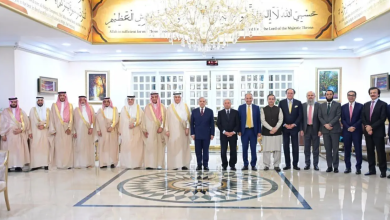
As countries marked World Food Day on October 16, Saudi Arabia celebrated significant milestones achieved by the Jazan Region in driving the Kingdom’s food security strategy.
Under Vision 2030, Saudi Arabia aims to build a self-sufficient food ecosystem, as part of a more resilient and diversified economy. To this end, the Kingdom invests heavily in the agriculture and food sectors, harnessing innovation, deploying advanced technological practices, and providing flexible financing solutions to increase productivity and build resilience in agricultural and food systems.
Jazan: The Southwestern Crop Hub
Driving the News: According to data released by the Saudi Ministry of Environment, Water and Agriculture (MEWA), the Jazan Region emerged as a cornerstone for the Kingdom’s local food production systems, yielding a broad spectrum of tropical fruits, cereals, oilseeds, and vegetables.
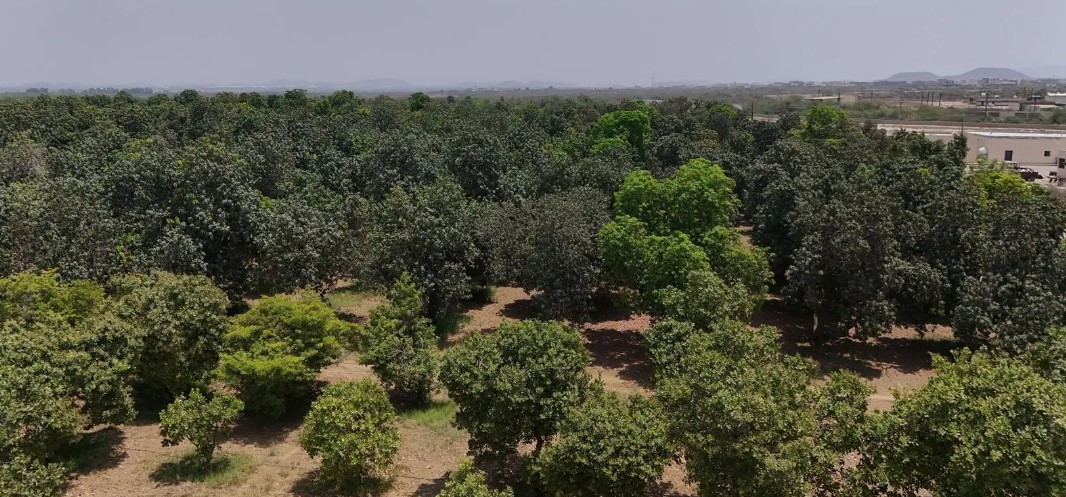
The Big Picture: Jazan possesses unique agro-climatic features, including fertile soils, mountain terraces, coastal plains, high humidity, and regular rain. These features have made Jazan a pivotal contributor to Saudi Arabia’s national food security, supply chain resilience, and the expansion of downstream food processing and commercial opportunities.
Jazan’s Diversified Harvest
Between the Lines: MEWA data shows a diversified range of agricultural crops across Jazan, driving the region’s agricultural economy.
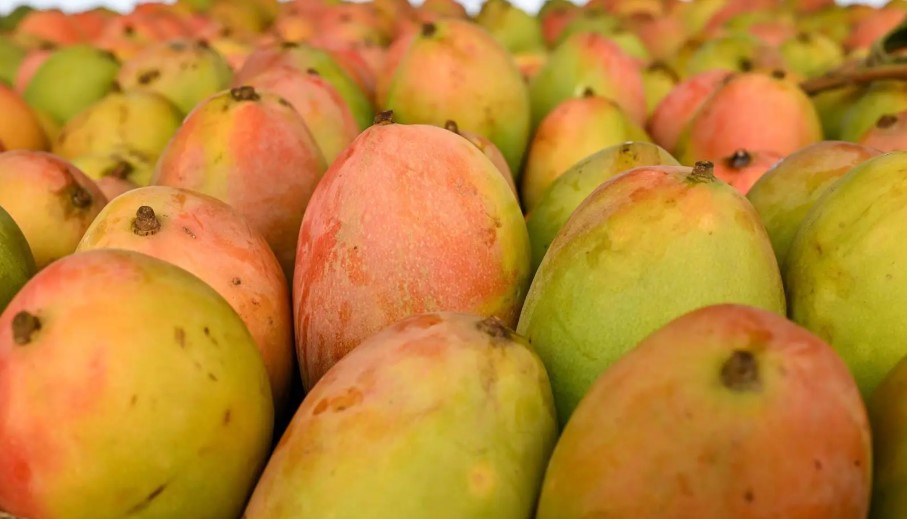
Fruit Yield:
- Mango: Approximately 1 million fruitful trees generating a massive 65,000 tons every year, fueling extensive trade, cold-chain logistics, and juice manufacturing.
- Papaya: Around 800,000 trees yielding over 40,000 tons annually.
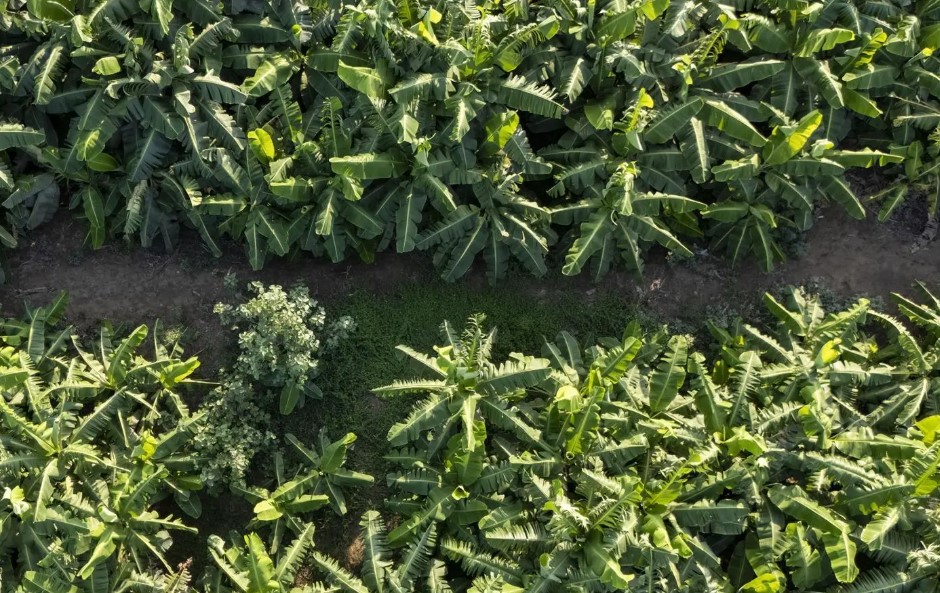
- Banana: Over 1 million trees producing an annual harvest of about 15,000 tons.
- Fig: Over 480,000 trees across 346 farms, generating an estimated 9,600 tons per year.
- Guava: 6,000 trees yielding 60 tons annually.
- Custard Apple: More than 4,200 trees spanning 110 farms, producing over 42 tons of fruit.
Field and Cash Crops:
- Sorghum: Over 60,000 hectares yielding an annual harvest surpassing 55,000 tons of red and white varieties used for local consumption and livestock feed.
- Sesame: More than 6,400 hectares producing over 6,422 tons of seeds annually for culinary purposes and traditional oil extraction.
Vegetable Production:
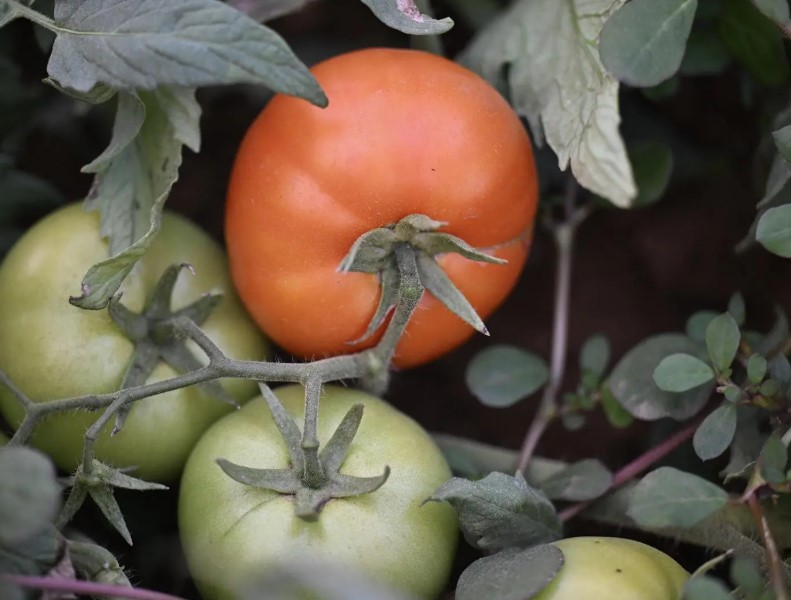
Multiple planting cycles yield tomatoes, cucumbers, eggplants, zucchini, okra, peppers, and leafy greens, all supercharged by advanced greenhouse farming, modern drip irrigation, and optimized post-harvest management.
The Financial Engine
The Catalyst: The Sustainable Agricultural Rural Development Program (Saudi Reef) is the primary driving force behind Jazan’s booming agriculture sector. Director General of MEWA’s Jazan Branch, Eng. Ahmed Al-Mujthal, highlighted Saudi Reef’s support for rural farmers to boost production efficiency and diversify income sources.
By the Numbers:
- SAR 1.2+ billion: Total financial support provided to local beneficiaries.
- 34,000+: Rural farmers and breeders receiving support.
- SAR 81.7 million: Total value across 9 key agricultural projects.
- 70%: Average completion rate of current agricultural projects.
- 2.7+ million: Seedlings produced to help farmers expand cultivation and crop range.
- 2.2+ million: Head of livestock supported to strengthen rural livelihoods.
- 13,200 tons: Total supported marine products to power the local blue economy and market availability.
- 3,500 tons: Total supported agricultural produce to strengthen smallholder farm continuity and local crop marketing.
Toward a Resilient Food Supply Chain
State of Play: Jazan’s diversified agricultural production creates stable food supply chains that are resistant to external global trade shocks, in addition to boosting the region’s economy. From enhancing seasonal trade to sorting operations, cold-chain transport, packaging, and juice manufacturing, this agri-business activity creates more job opportunities and empowers small and medium-sized enterprises across the region.
The Strategy: The Saudi Agricultural and Livestock Investment Company (SALIC) spearheads the Kingdom’s efforts to achieve food security and self-sufficiency. Established in 2009, SALIC is a PIF-owned company handling 16 strategic commodities across 11 investment portfolios, with over SAR 32 billion in assets under management. Its main objective is ensuring essential food commodities remain accessible, affordable, and available, supporting national and global food security goals.
Looking Ahead: In collaboration with the Food and Agriculture Organization of the UN (FAO) in Saudi Arabia, MEWA organizes a virtual session under the theme “Innovate Today, Nourish Tomorrow” on October 19, to mark World Food Day. The session explores how combining innovation with traditional practices can transform national food security in water-scarce, import-dependent nations. It spotlights Saudi Arabia’s agrifood advances from lab to field, demonstrating practical progress toward Vision 2030.
The Bottom Line: By combining financial backing through Saudi Reef with its unique agro-climatic advantage, Jazan sets a prime model for other Saudi agricultural regions, driving Saudi Arabia’s path to food security.