Beyond Fish: KAUST Research Reveals Hidden Aquatic Superfoods for World Health
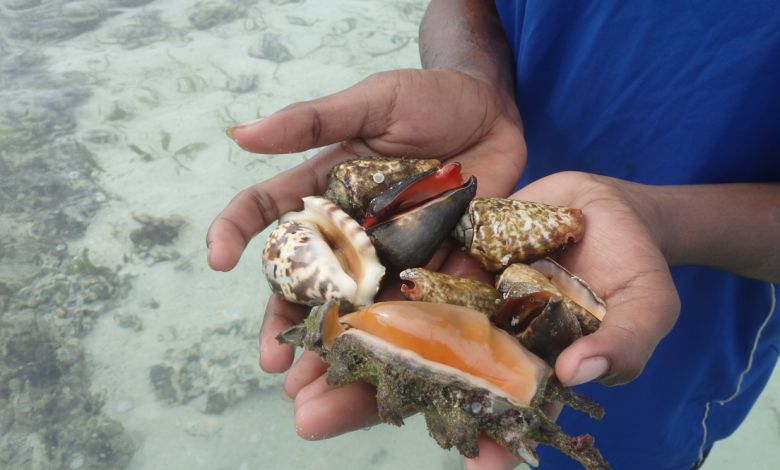
The big picture: A landmark global study led by King Abdullah University of Science and Technology (KAUST) reveals that aquatic invertebrates represent an underutilized global nutrient powerhouse. Organisms like oysters, clams, mussels, and crabs contain critical micronutrients that can significantly advance international food security and improve public health.
Why it matters: Traditional fisheries management assesses aquatic food systems primarily by catch volume in metric tons rather than nutritional density. Consequently, environmental policymakers routinely overlook vital marine organisms that fight global malnutrition far more effectively than traditional finfish harvests.
Unlocking Ocean Micronutrients
Between the lines: Researchers gathered nutritional composition data across hundreds of wild and farmed marine species. Furthermore, the international scientific team built advanced predictive models to calculate comprehensive nutrient profiles for over 50,000 potentially edible aquatic species worldwide.
These innovative predictive models allow scientists and policymakers to identify specific nutritional deficiencies across vulnerable coastal populations. Therefore, local governments can design targeted dietary interventions that address regional malnutrition without increasing total fishing pressure on fragile wild marine ecosystems.
Additionally, the research highlights how processing methods transform nutritional value. For instance, one hundred grams of dried invertebrates delivers significantly higher mineral concentrations than an identical weight of raw tissue, offering immediate opportunities to minimize food waste while maximizing dietary yield.
What they’re saying: “We have long measured the success of aquatic food systems by volume in tons rather than nutrient delivery,” said Dr. Jessica Zamborain-Mason, assistant professor of marine science at KAUST and lead author of the study. “Consequently, our study demonstrates that aquatic invertebrates contribute far more to human nutrition than decision-makers previously realized. When leaders incorporate both nutritional value and sustainability into fisheries policies, they unlock the true potential of marine foods while protecting fragile aquatic ecosystems.”
Economic Impact and Strategic Nutrition
By the numbers:
- 5 billion+ people: Current global invertebrate harvests supply enough vitamin B12 and selenium to fulfill annual human dietary requirements.
- 1 billion+ people: Global invertebrate catches deliver essential baseline supplies of iodine, zinc, copper, and omega-3 fatty acids.
- 100 million+ people: Harvested invertebrates provide vital quantities of riboflavin, niacin, iron, magnesium, and manganese to vulnerable populations.
- 50% of key nutrients: In commercial aquaculture, invertebrates represent one-third of total weight but supply over half of all iodine, iron, and vitamin C.
- 16% of wild catch: Wild invertebrates account for sixteen percent of capture biomass yet deliver forty percent of global marine copper and zinc.
- SAR 17.25 billion ($4.6 billion): Saudi Arabia is investing this capital into sustainable aquaculture under Vision 2030 to strengthen national food resilience along the Red Sea.
Aligning Global Policy with Sustainability
The international research team will integrate these comprehensive nutrient estimates directly into SeaLifeBase, one of the world’s largest online databases for marine species. As a result, fisheries managers, conservationists, and policymakers worldwide will gain immediate open access to standardized seafood nutrition metrics.
Crucially, the authors emphasize that their scientific findings do not encourage overfishing or unmanaged marine exploitation. Instead, the study establishes a rigorous evidence base to harmonize ocean conservation with global dietary security goals.
“Many aquatic invertebrate species still lack sufficient monitoring data across global waters,” Dr. Zamborain-Mason noted. “Therefore, our findings emphasize the urgent necessity to expand marine protection, resource monitoring, and stock evaluations. These valuable organisms can play a pivotal role in guaranteeing sustainable food security both today and in the future.”
What’s next: Consequently, national governments and commercial enterprise leaders can align seafood production with public health targets. As Saudi Arabia expands its Red Sea coastal development projects, embedding nutritional benchmarks into blue economy strategies will ensure long-term environmental stewardship and economic resilience. Furthermore, expanding local research capabilities positions the Kingdom as a global pioneer in sustainable marine biotechnology.