Syria’s long-running nuclear file has drawn to a close, with Saudi Arabia’s Foreign Ministry welcoming the United Nations’ nuclear watchdog’s decision to conclude its investigation into secret nuclear activities during the era of former President Bashar Assad.
A Diplomatic Turning Point for Syria
The International Atomic Energy Agency (IAEA) Board of Governors unanimously adopted the resolution on Wednesday, ultimately ending an investigation launched in 2011.
The probe had found Syria in noncompliance with its nonproliferation obligations after the Assad regime failed to declare nuclear activities.
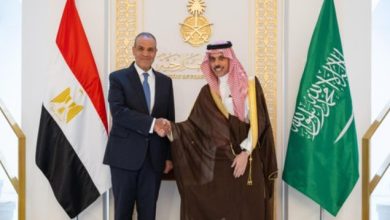
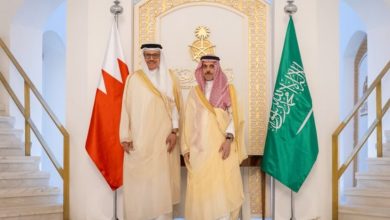
Remarkably, Saudi Arabia, Egypt, Jordan, and Morocco submitted the resolution to the agency for consideration.
According to a statement by the Saudi Foreign Ministry, the Kingdom reaffirmed its unwavering commitment to supporting efforts and initiatives seeking to bolster Syria’s security, stability, and sovereignty, while underscoring its support for the country’s national institutions.
Syria Embraces a New Nuclear Policy
For Damascus, the decision marks “an important diplomatic and legal achievement for Syria,” the Syrian Foreign Ministry said, signaling the new transitional authorities’ decision to disclose nuclear activities, sites, and materials uncovered following the overthrow of the Assad regime in December 2024, after almost 14 years of civil war that tore Syria apart.
The ministry also noted that Syria’s new authorities had adopted a new policy, embracing transparency, cooperation, and respect for international obligations, while distancing themselves from the “policies of concealment, denial and evasion” pursued under Assad, the Syrian Arab News Agency reported.
This dramatic shift in policy was vividly reflected in the new authorities’ cooperation with the IAEA, providing the inspectors with an access to key nuclear sites, including a facility in Deir Ezzor where a near-complete nuclear reactor had been secretly constructed.
Deir Ezzor Reopens Syria’s Nuclear Past
Last month, Grossi visited the Deir al-Zour site in eastern Syria, bringing renewed attention on a facility that had remained closed for 18 years.
The site’s history dates back to a secretive Israeli operation. In 2018, Israel acknowledged that it had launched a top-secret air raid on the facility 11 years earlier.
In 2008, less than a year after the strike, US officials accused Syria of attempting to build a secret nuclear reactor and confirmed that Israel had destroyed it in the strike.
Commenting on the decision, IAEA Director General Rafael Grossi said on Monday that it was “obvious that the previous government was pursuing a number of clandestine” activities, while commending the new government for taking the “courageous decision” to report sites that had previously remained undisclosed.
Related Topics:
SYRIX: Syria’s Industrial Ambitions Meet Saudi Business at Jeddah Exhibition
SDF Integration: Saudi Arabia Backs Syria’s Unity
Saudi Arabia, Gulf States Hail Washington Move to End Syria’s Terror Designation