Saudi Arabia, Gulf States Hail Washington Move to End Syria’s Terror Designation
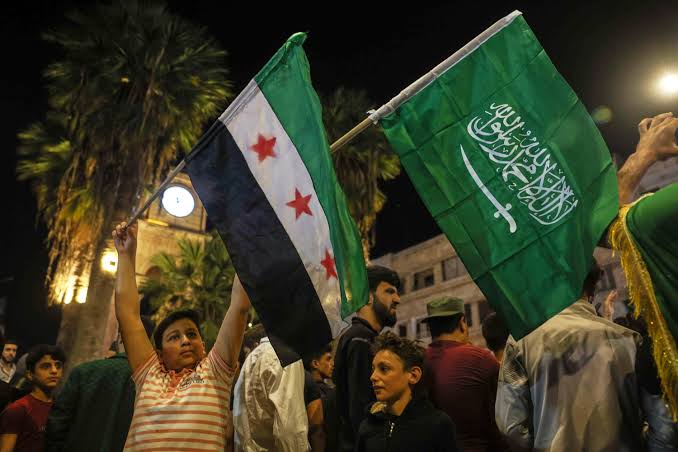
The big picture: The US has formally removed Syria from its list of state sponsors of terrorism. Saudi Arabia, Qatar and the Gulf Cooperation Council quickly welcomed the move. All three called it a boost for the country’s fragile recovery.
Why it matters: Washington’s designation blocked Damascus for 47 years. It kept Syria locked out of international loans, trade financing and normal banking ties. Its removal now clears one of the last major legal hurdles to reconstruction, a drive Saudi Arabia has led since Bashar al-Assad’s fall in December 2024.
Driving the news: The US Treasury’s Office of Foreign Assets Control updated its sanctions regulations on Monday. It struck Syria’s terror designation after a congressional review period passed without objection. Separately, the State Department revoked Hayat Tahrir al-Sham’s status as a global terrorist organization. The group split from al-Qaeda’s Syrian branch, the Nusra Front, back in 2016.
Gulf Reaction
Saudi Arabia’s Foreign Ministry congratulated Syria’s government and people on the decision. It wished the country “lasting security, stability and prosperity” as state-building continues. The ministry also renewed its backing for “the positive steps taken by the Syrian government” to strengthen security and meet Syrians’ hopes for a more stable future.
Qatar’s Foreign Ministry, meanwhile, called the delisting “a positive development.” Doha said the step supports stability efforts in Syria and the wider region. It also strengthens the political settlement track under international legitimacy resolutions and answers Syrians’ aspirations. Qatar additionally renewed its support for Syria’s unity, sovereignty and independence.
GCC Secretary-General Jasem Al-Budaiwi added that the step “represents a positive development.” He said it will help secure Syria’s stability and create the right conditions for recovery. Al-Budaiwi reaffirmed the council’s steady support for Syria’s sovereignty and territorial unity. He urged the world to keep backing Damascus as the country pursues recovery and long-term development.
Riyadh’s Reconstruction Push
Saudi Arabia’s welcome didn’t come out of nowhere. Crown Prince Mohammed bin Salman reportedly urged President Trump to lift the sanctions. He raised it during Trump’s May 2025 visit to Riyadh, when Trump first announced the plan. Trump later signed the fiscal year 2026 National Defense Authorization Act in December, repealing the Caesar Act. Syrian President Ahmed al-Sharaa also met him at the White House in November — the first-ever meeting between a sitting US president and a Syrian head of state.
Since then, Riyadh has moved fast to turn diplomatic goodwill into hard investment. Saudi companies signed 47 deals worth SAR 24 billion ($6.4 billion) at a Damascus forum in February. The deals span real estate, telecommunications and infrastructure. The kingdom’s Elaf Fund additionally committed SAR 7.5 billion ($2 billion) to redevelop two airports in Aleppo. Saudi Telecom Co pledged more than SAR 3 billion ($800 million) to rebuild Syria’s telecom network. Riyadh has also funded a SAR 375 million ($100 million) skyscraper in central Damascus and backed rubble-clearance projects around the capital.
By the numbers:
- 47 years: How long Syria carried Washington’s terror-sponsor label, dating back to 1979.
- SAR 24 billion ($6.4 billion): Value of Saudi investment deals signed in Damascus in February.
- SAR 105 billion ($28 billion): Total Gulf investment pledges in Syria since sanctions relief began.
- SAR 7.5 billion ($2 billion): Saudi Elaf Fund commitment to rebuild Aleppo’s airports.
- SAR 3 billion ($800 million): Saudi Telecom Co’s pledge to upgrade Syria’s networks.
- SAR 810 billion ($216 billion): The World Bank’s conservative estimate of Syria’s total reconstruction bill.
The bottom line: Saudi Arabia has staked real political capital, and billions of riyals, on Syria’s recovery. It’s betting that stability in Damascus pays dividends across the region. Tuesday’s delisting removes a major legal obstacle. Still, bankers and investors need clearer compliance rules before Gulf pledges convert fully into finished projects. For now, Riyadh’s message to Damascus is simple: security first, investment next, shared prosperity after that. Gulf officials say they will keep pressing Washington and other partners to finish the job.
What’s next: Overall, Saudi Arabia will proactively continue mobilizing crucial international economic backing for Damascus.
Riyadh plans an upcoming international investment conference in the capital to accelerate Syria’s full national reconstruction process.