Unified Front: How ‘Bahrain Shield’ Exercise Reinforces Gulf Defense Capabilities
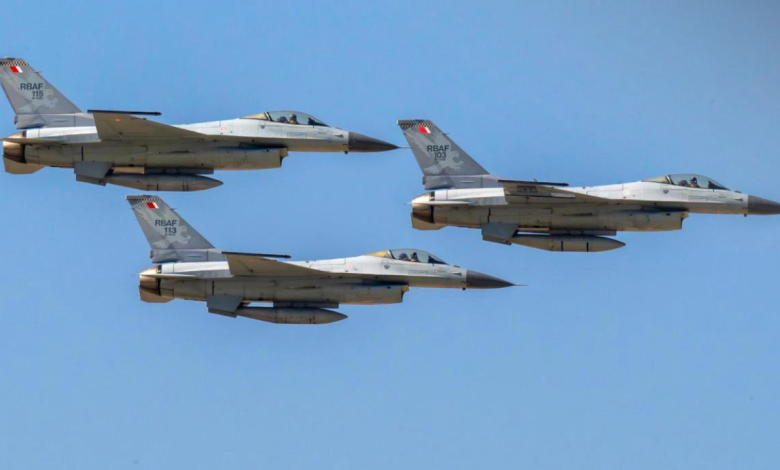
Bahrain is hosting the “Bahrain Shield” joint military exercise, with the participation of the armed forces of the six Gulf Cooperation Council (GCC) member states (Saudi Arabia, Bahrain, Kuwait, Qatar, Oman, and the UAE).
The joint exercise comes at a critical time for the Gulf region and the wider Middle East amid rising military escalations that threaten regional stability, necessitating a coordinated action to safeguard the security, sovereignty, and territorial integrity of states.
Enhancing Readiness
The Big Picture: From July 28-30, 2026, the armed forces of the GCC countries will join the Bahrain Defense Force (BNF) for the Bahrain Shield joint military exercise, reported the Bahrain News Agency.
Key Objectives:
- Bolstering joint military cooperation.
- Enhancing expertise exchange.
- Evaluating the effectiveness of joint operational systems.
- Boosting combat readiness.
- Developing operational capabilities.
- Strengthening planning for joint operations.

Why It Matters: The exercise takes place as the region faces mounting military tensions against the backdrop of the US-Iran conflict. The GCC states have come under Iranian missile and drone attacks targeting civilian infrastructure, including commercial ports, airports, desalination plants, and energy facilities. Moreover, the conflict has posed threats to maritime security amid Iran’s blockade of shipping in the Strait of Hormuz and the Houthi militia threats to target vessels in Bab al-Mandab Strait.
Defense Integration
State of Play: The Bahrain Shield exercise aims to offer opportunities for unifying operational concepts among the participating armed forces and to strengthen military cooperation and coordination to address regional security challenges.
Between the Lines: The GCC states and leaders have underscored strong commitment to advancing military integration to safeguard the security and stability of the bloc’s member states and protect their assets and national interests. To this end, the GCC has taken major steps enshrined in the Joint Defense Agreement signed in 2000, which states that any external attack against a member state is considered an attack on all, requiring collective action.
Joint Defense Council
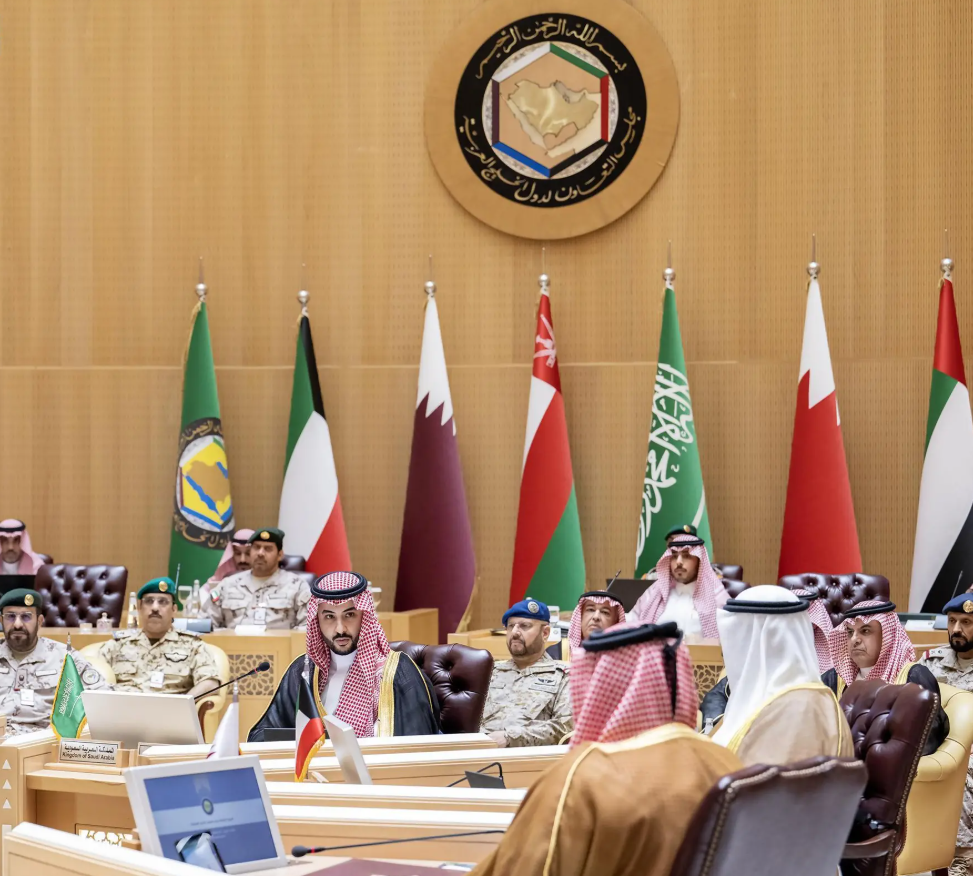
The Joint Defense Council comprises the Defense Ministers of the six GCC states. It takes charge of coordinating collective security, implementing the Joint Defense Agreement, and overseeing the Unified Military Command.
Unified Military Command
The Riyadh-based GCC Unified Military Command (UMC) is a regional military organization that coordinates military integration among the bloc’s member states. It became operational in 1984 under the name “Peninsula Shield Forces” before changing into the Unified Military Command following AlUla Summit in 2021. The UMC aims to strengthen joint Gulf security and defense ecosystem. It is led by Major General Abdulaziz Ahmed Al-Balawi.
Joint Military Exercises
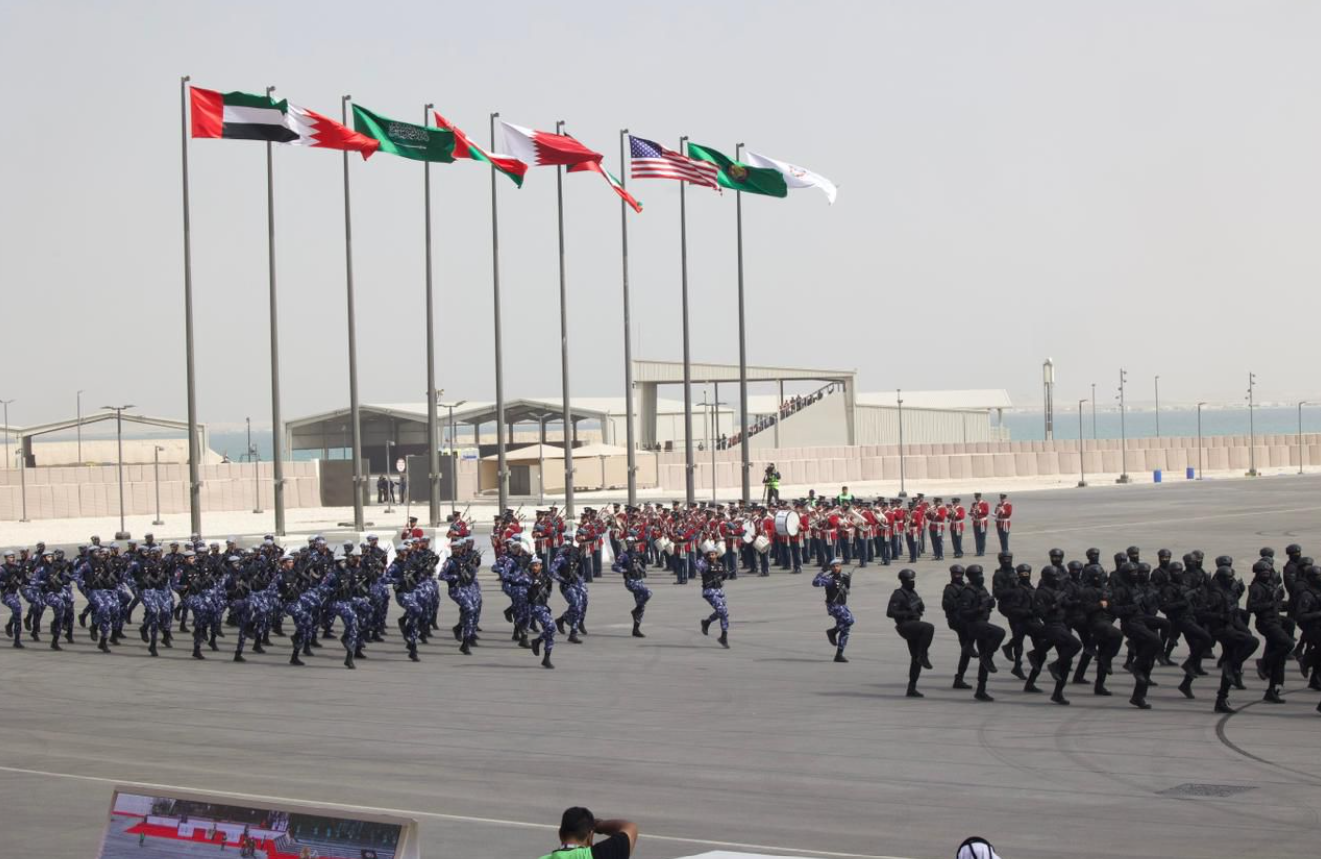
As part of the GCC efforts to enhance coordination and consultation to bolster defense integration, several joint military exercises are held.
- Peninsula Shield Exercise: Land, air, and naval forces from GCC nations.
- Gulf Shield Exercise: Air and air defense forces from GCC countries.
- Arabian Gulf Security Exercise: Forces from the GCC Interior Ministries and specialized US units.
- North Thunder Exercise: Held in Saudi Arabia in 2016, with the participation of troops from 20 Arab and Muslim nations.
The Regional Context
The Anchor: Throughout the years, the GCC has enhanced military cooperation and built a comprehensive defense system capable of protecting the member states’ assets and resources while confronting external threats. These efforts were anchored in the Peninsula Shield Forces.
- 1991: The liberation of Kuwait.
- 2003: Defending Kuwaiti territory during the liberation of Iraq.
- 2011: Maintaining security and order in Bahrain.
The Pivot: In September 2025, the GCC Joint Defense Council directed the UMC to take the necessary executive measures to activate joint defense mechanisms and Gulf deterrence capabilities under the Joint Defense Agreement.
These measures included:
- Enhancing intelligence sharing through the UMC.
- Integrating air situation data into all GCC operation centers’ systems.
- Accelerating the work on the GCC Joint Task Force for the Early Warning System against Ballistic Missiles.
- Updating collective defense plans in coordination with the Operation and Training Committee.
- Conducting joint exercises between air defense and operation centers within three months, with a live air exercise to follow.
Backstory: The Joint Defense Council’s measures came in response to an Israeli attack against Qatar in the same month targeting residential buildings housing several members of the political bureau of Hamas in Doha.
Saudi Leadership
The Strategy: Saudi Arabia has embarked on a bold push to modernize its military and defense capabilities, diversifying its defense partners to leverage the best technology transfers, embarking on a massive localization process, and hosting the headquarters of the UMC as well as several joint exercises.
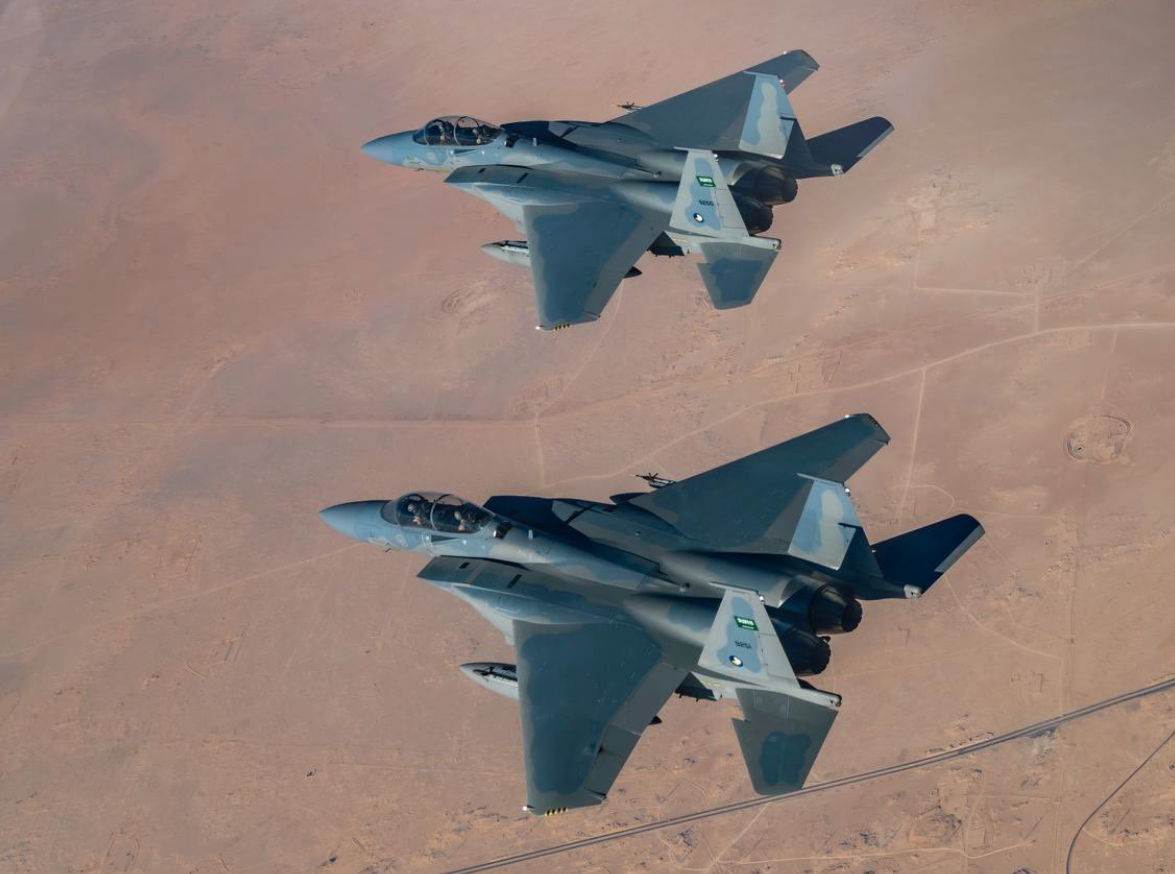
What to Know: Under the transformative Vision 2030, Saudi Arabia aims to localize more than 50% of its military spending by the end of the decade. These efforts are spearheaded by the General Authority for Military Industries (GAMI), alongside Saudi Arabian Military Industries (SAMI). By the end of 2024, the localization rate of military spending reached around 25%, surging from 4% in 2018.
The Bottom Line: Joint military exercises, such as the Bahrain Shield, accelerate the integration of the GCC defense capabilities, reducing reliance on foreign technologies and strengthening the bloc’s combat readiness and military might. Saudi Arabia’s steady strides towards harnessing advanced technologies and innovation, as well as improving the defense sector’s resilience, position the Kingdom as a pivotal player in bolstering GCC-wide supply chains and safeguarding regional security and stability.