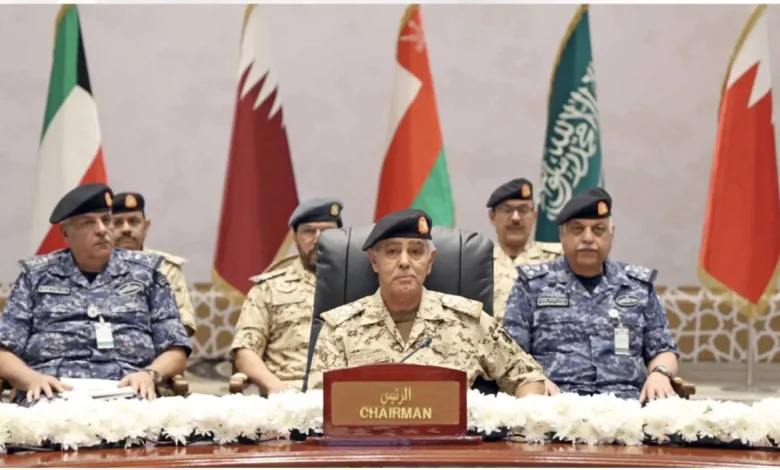
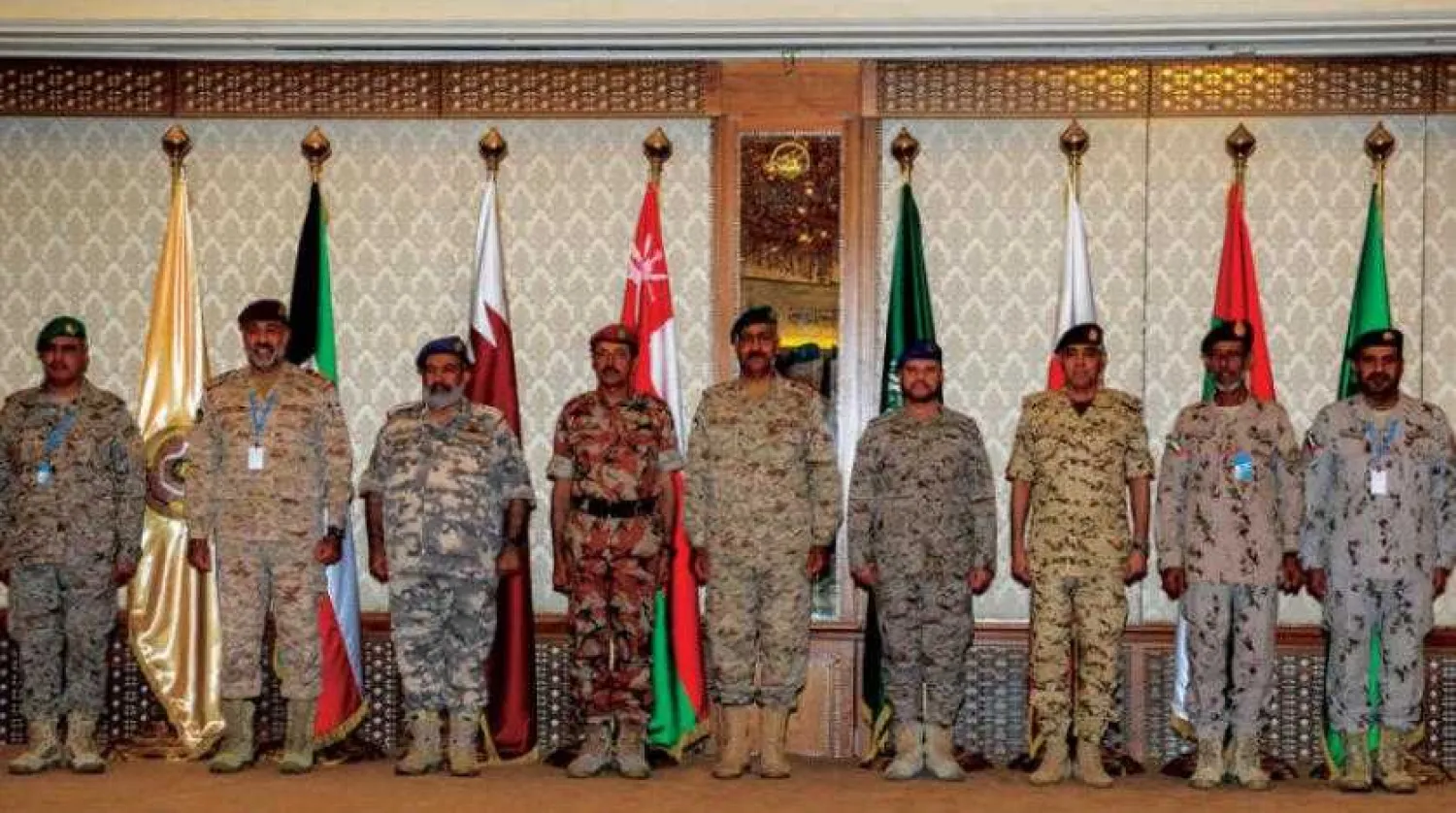
The chiefs of staff of the Gulf Cooperation Council (GCC) armed forces met in Manama on Tuesday to discuss strengthening military cooperation amid growing regional security concerns.
The Supreme Military Committee meeting was chaired by Bahrain’s Chief of Staff, Lt. Gen. Dhiab Al Nuaimi, and attended by the military chiefs of the GCC member states, Assistant Secretary-General for Military Affairs at the GCC Secretariat Maj. Gen. Isa Al Muhannadi, and Commander of the GCC Unified Military Command Maj. Gen. Abdulaziz Al Balawi.
Opening the meeting, Al Nuaimi accused Iran of carrying out what he described as “systematic and painful aggression” against Gulf states. He said Tehran had deliberately targeted civilians and threatened maritime security in the Strait of Hormuz, harming the interests of GCC countries and the wider region while violating international law and conventions.
He called for greater Gulf unity to address what he described as hostile attacks and urged the development of a practical framework for closer military cooperation based on shared interests and existing agreements.
Al Nuaimi said stronger coordination, faster response mechanisms, and expanded military cooperation were needed to protect the security and stability of GCC countries and the region.
IMCTC Attends UN Counterterrorism Conference
Separately, the Islamic Military Counter Terrorism Coalition (IMCTC), led by Secretary-General Maj. Gen. Mohammed bin Saeed Al-Moghedi, took part in the Fourth United Nations High-Level Conference on Counter-Terrorism at UN headquarters in New York.
Held under the theme, “A Future Free from Terrorism: Consolidating the Global Commitment to Multi-Stakeholder Approaches to Counter Terrorism, notably through Member States’ Leadership and Action,” the conference brought together senior government officials, policymakers, representatives of international and regional organizations, and counterterrorism experts.
According to the Saudi Press Agency, the coalition’s participation focused on expanding international cooperation, strengthening partnerships with member states and international organizations, and supporting coordinated efforts to combat terrorism and violent extremism.
Moreover, the opening session included addresses by UN Secretary-General Antonio Guterres and other senior officials, who emphasized a multilateral approach to counterterrorism involving governments, international organizations, civil society, and the private sector.
Al-Moghedi said evolving security threats require closer coordination among countries and regional and international organizations, stronger mechanisms for joint action, and sustained efforts to prevent the spread of terrorism while addressing its underlying causes.
Related Topics:
Saudi Arabia, Netherlands Discuss Trade Cooperation
ROSHN Green Initiative Center: Inspiring Future Environmental Leaders
Saudi Arabia Welcomes Foreign Real Estate Investors Outside Holy Cities
All You Need to Know about Hajj Rituals: A Step-by-Step Guide